
Why Vastu Shastra Places the Guest Room in the Northwest

A guest room tucked into the northwest corner of a home is not an accident in a vastu-conscious household. Vastu shastra, the ancient Indian system of spatial arrangement, assigns a presiding deity and a natural quality to each direction, and the northwest, governed by Vayu, the deity of wind, is understood to carry the quality of movement and impermanence.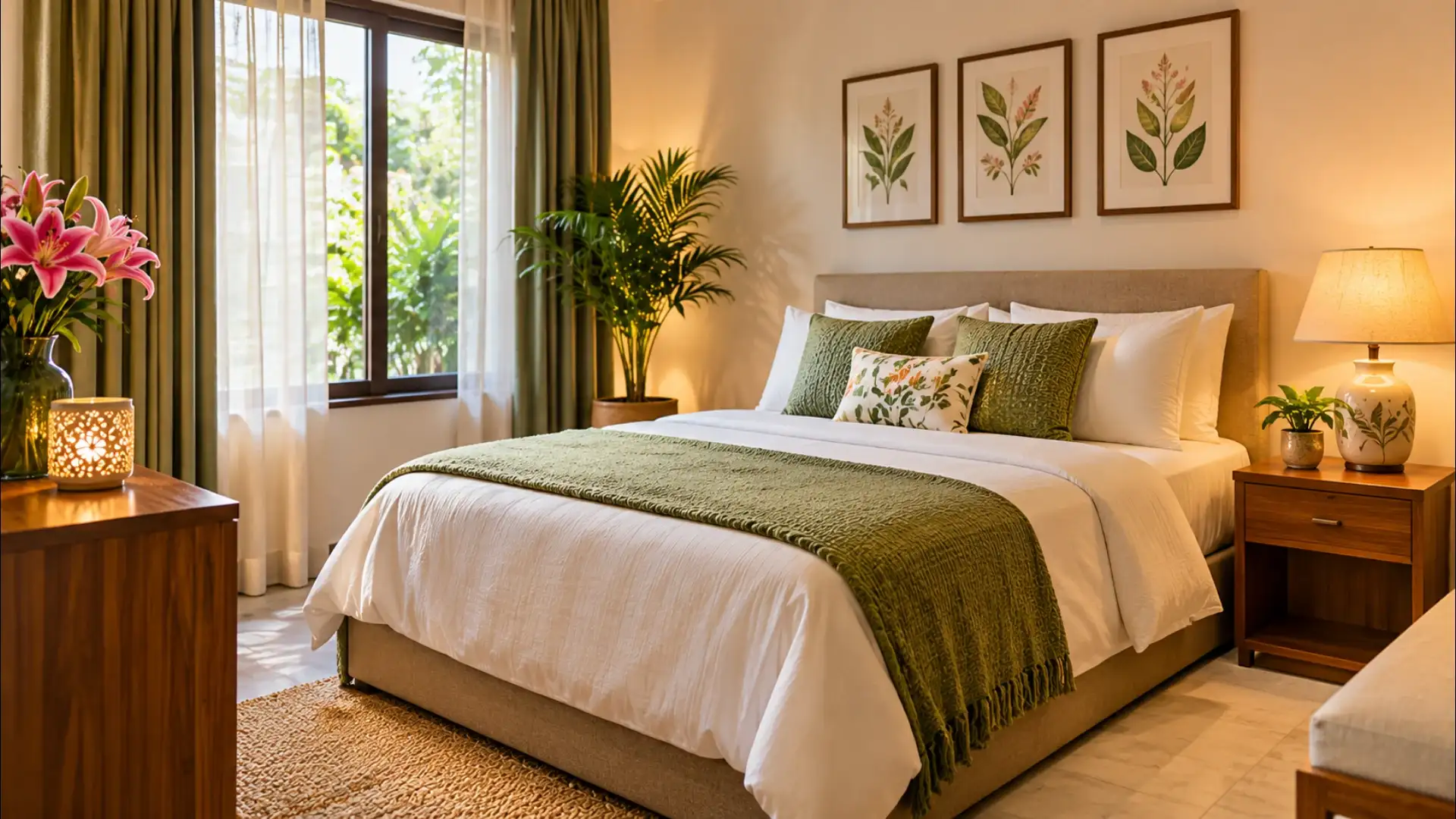
This is not a metaphor applied loosely. Vastu practitioners hold that the northwest is the least suitable corner for anything meant to be permanent, the head of the household, the main bedroom, or the family treasury. What suits it, in their reading, is whatever is meant to come and go.
The same logic is sometimes applied to other temporary uses. Storage for goods that move in and out, a room for a domestic helper who does not live permanently in the home, or a space used for short-term purposes, vastu shastra often places all of these in the northwest for the same reason.
Similarly, a kitchen in the northwest is considered less than ideal in classical vastu texts, though different regional traditions within vastu interpret this with some variation. The southeast, associated with Agni, the fire deity, is the kitchen's preferred location in most schools of vastu shastra.
This physical quality, airiness, circulation, is worth naming plainly. It does not confirm the vastu belief, and vastu practitioners do not claim it does. The two things run alongside each other: a tradition that assigns meaning to the northwest, and a practical observation that northwest-facing rooms can be well-ventilated. A reader who finds the physical reason useful can hold it separately from the belief.
The room is not considered inauspicious, quite the opposite. Vastu shastra regards a well-placed guest room as a mark of a harmonious home, one that welcomes visitors gracefully and releases them without reluctance. The northwest, in this reading, makes the guest feel at ease without making him feel rooted.
The underlying idea is one of alignment: matching the character of a space to the character of its use. Whether one holds the vastu belief or not, the principle of designing a guest room as a transitional space, light, open, unhurried, is one that translates into a room most guests would genuinely prefer.
What the Northwest Represents in Vastu Shastra
According to vastu shastra, each of the eight directions holds a distinct energy. The northwest, called Vayavya in Sanskrit, is associated with Vayu, the wind. Wind, by its nature, does not stay in one place. It arrives, circulates, and moves on. The tradition reads this as the defining character of the direction itself: things placed here are understood to be transitional rather than settled.This is not a metaphor applied loosely. Vastu practitioners hold that the northwest is the least suitable corner for anything meant to be permanent, the head of the household, the main bedroom, or the family treasury. What suits it, in their reading, is whatever is meant to come and go.
Why a Guest Room Fits This Corner
A guest, by definition, does not stay. He arrives, spends a night or a few, and leaves. Vastu shastra holds that placing him in the northwest aligns his stay with the natural character of that zone. The tradition suggests that a guest housed here will not overstay, the wind quality of the space, so the belief goes, gently encourages departure without friction.The same logic is sometimes applied to other temporary uses. Storage for goods that move in and out, a room for a domestic helper who does not live permanently in the home, or a space used for short-term purposes, vastu shastra often places all of these in the northwest for the same reason.
What Vastu Tradition Says to Avoid Here
Vastu shastra is equally clear about what the northwest should not hold. The master bedroom in the northwest is considered unfavorable because the wind quality is thought to introduce instability into the lives of those who sleep there regularly. The tradition associates long-term residence in this corner with restlessness, frequent travel away from home, or a sense of unsettledness.Similarly, a kitchen in the northwest is considered less than ideal in classical vastu texts, though different regional traditions within vastu interpret this with some variation. The southeast, associated with Agni, the fire deity, is the kitchen's preferred location in most schools of vastu shastra.
The Physical Logic That Runs Alongside the Belief
Vastu shastra holds the northwest as a belief system, and it should be read as one. That said, the northwest in India does receive cross-ventilation from prevailing winds in many geographic regions, particularly in the plains. A room on the northwest side of a house may naturally be airier and cooler than rooms on other sides, depending on the local wind pattern and the season.This physical quality, airiness, circulation, is worth naming plainly. It does not confirm the vastu belief, and vastu practitioners do not claim it does. The two things run alongside each other: a tradition that assigns meaning to the northwest, and a practical observation that northwest-facing rooms can be well-ventilated. A reader who finds the physical reason useful can hold it separately from the belief.
How the Tradition Is Applied in Practice
In households where vastu is observed, the northwest guest room is typically kept light in furniture and uncluttered. Heavy, permanent-looking furniture is considered at odds with the transitional nature of the space. Some vastu advisors suggest keeping the room airy, with windows that open freely, and avoiding dark or heavy colour schemes on the walls.The room is not considered inauspicious, quite the opposite. Vastu shastra regards a well-placed guest room as a mark of a harmonious home, one that welcomes visitors gracefully and releases them without reluctance. The northwest, in this reading, makes the guest feel at ease without making him feel rooted.
The underlying idea is one of alignment: matching the character of a space to the character of its use. Whether one holds the vastu belief or not, the principle of designing a guest room as a transitional space, light, open, unhurried, is one that translates into a room most guests would genuinely prefer.
Next Story