
Why Fried Food Loses Its Crispiness So Quickly

Few food experiences are as satisfying as biting into something freshly fried and hearing that delicate crackle. Whether it is a samosa, pakora, French fry or piece of fried chicken, crispness is part of what makes fried food so appealing. Yet that texture can disappear remarkably quickly. Leave fried food on a plate for a few minutes and the crust may become soft, chewy or greasy. It is tempting to blame the oil or the cooling temperature, but the real culprit is something much simpler: water. The battle between moisture inside the food and the dry outer crust determines how long that satisfying crunch survives.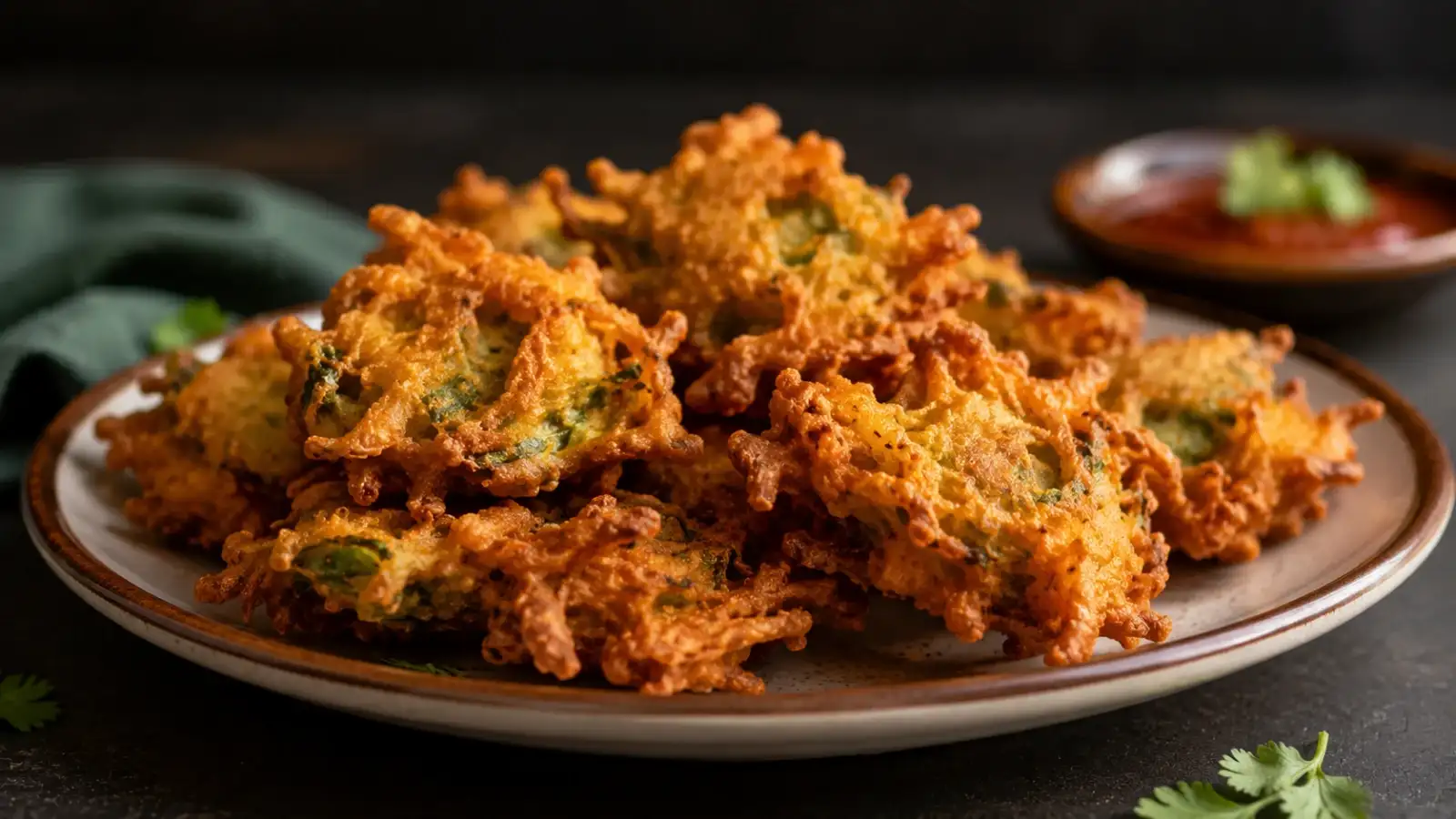
The crust is not simply browned food. It has a complex structure containing pores formed as water escapes. A more porous crust generally produces a stronger perception of crispness.
That moisture migration is the main reason fried food becomes soft. Scientists studying fried foods have found that moisture can move from the core towards the crust through diffusion and pressure-driven movement, while water vapour continues to escape from the surface.
As the crust absorbs moisture, its brittle structure changes. What was once dry and glass-like becomes more flexible, reducing the sharp fracture that we experience as crunch.
This is why restaurants often use containers or packaging designed to provide some ventilation for fried foods. A tightly sealed box may keep food warm, but it can sacrifice the very crispness that made it appealing.
The type of coating, starch structure, frying time and even the size of pores in the crust all matter.
The disappearing crunch of fried food is essentially a moisture story. Frying creates a dry, porous outer layer while trapping moisture inside. Once the food starts cooling, that moisture slowly works its way towards the crust. So the next time a perfectly crisp pakora turns soft, remember that it is not simply getting cold. Its internal water is quietly undoing the texture that the fryer worked so hard to create.
Frying Creates a Dry Outer Shell
During frying, food is exposed to oil that is usually far hotter than the boiling point of water. Water inside the food turns into steam and escapes towards the surface. This rapid moisture loss helps create a dry, porous crust while the centre remains comparatively moist. Research on French fries shows that this difference between a dry outer crust and moist interior is fundamental to crispness.The crust is not simply browned food. It has a complex structure containing pores formed as water escapes. A more porous crust generally produces a stronger perception of crispness.
The Soggy Transformation Begins After Frying
Once the food leaves the fryer, the temperature starts falling, but the moisture inside does not disappear. Instead, it gradually moves from the moist centre towards the drier crust.That moisture migration is the main reason fried food becomes soft. Scientists studying fried foods have found that moisture can move from the core towards the crust through diffusion and pressure-driven movement, while water vapour continues to escape from the surface.
You may also like
- Why Some Men Choose Hookups Over Real Relationships After Their First Breakup?
- For Gen Z, patriotism doesn't always need a hero
- Women in uniform: When duty meets the lens
- Meet "Georgia ka Raj Kapoor": The Tbilisi street musician who surprises Indian travellers by singing the iconic 'Mera Joota Hai Japani' song
- EPFO: Over 15 lakh claims for higher pension settled; more than 1.49 lakh payment orders issued..
As the crust absorbs moisture, its brittle structure changes. What was once dry and glass-like becomes more flexible, reducing the sharp fracture that we experience as crunch.
Why Packaging Can Make It Worse
Putting hot fried food straight into a sealed container can speed up the problem. Steam produced by the hot food becomes trapped inside the container and eventually condenses. That adds moisture back to the crust instead of allowing it to escape.This is why restaurants often use containers or packaging designed to provide some ventilation for fried foods. A tightly sealed box may keep food warm, but it can sacrifice the very crispness that made it appealing.
Temperature Is Not the Only Factor
Interestingly, simply frying at the highest possible temperature is not a guaranteed solution. Research into French fries has found that increasing frying temperature can improve crust formation up to a point, while excessive temperatures can actually reduce crispness because of changes in the crust's physical properties.The type of coating, starch structure, frying time and even the size of pores in the crust all matter.
The disappearing crunch of fried food is essentially a moisture story. Frying creates a dry, porous outer layer while trapping moisture inside. Once the food starts cooling, that moisture slowly works its way towards the crust. So the next time a perfectly crisp pakora turns soft, remember that it is not simply getting cold. Its internal water is quietly undoing the texture that the fryer worked so hard to create.






Loving Newspoint? Download the app now
