
10 Strange and Fascinating Border Crossings Around the World

International borders are usually associated with immigration counters, passport checks, fences and customs offices. But in some parts of the world, the boundary between two countries can look surprisingly different.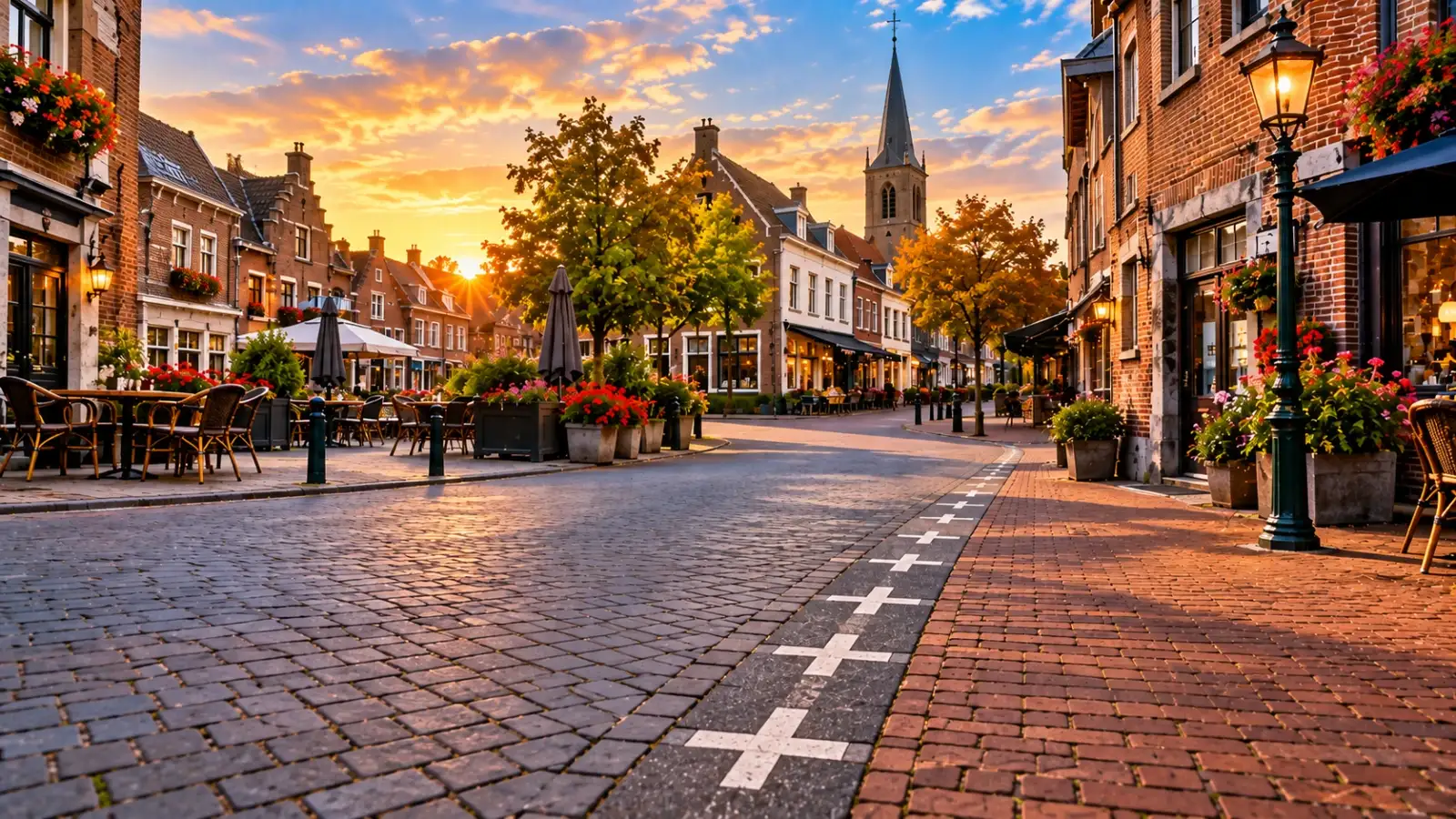
Some borders run through towns where streets and buildings sit on different sides of an international boundary. Others follow rivers, lakes or mountains, while a few have become unusual tourist attractions because of their history or geography.
Here are 10 unusual borders that travellers can visit, although entry requirements and crossing rules vary and should always be checked before travelling.
The two municipalities contain a complicated collection of Belgian enclaves within the Netherlands, with some smaller Dutch enclaves located inside those Belgian enclaves.
The international boundary passes through streets, gardens and buildings. In some places, markings on pavements show exactly where Belgium ends and the Netherlands begins.
Visitors can walk through the town and cross the international boundary several times without travelling through a conventional border checkpoint.
Rather than simply being a transport link, the bridge provides an interesting view of the international boundary because travellers cross a major river between two countries.
The bridge connects Nong Khai in Thailand with Vientiane Province in Laos. Travellers crossing it must still complete the required immigration procedures, but the setting makes the border experience quite different from crossing between neighbouring European countries.
The Zambezi River forms part of the boundary, while the Victoria Falls area lies close to the international frontier.
Visitors can experience the falls from both countries, although crossing between Zambia and Zimbabwe involves formal immigration procedures.
The combination of a major natural attraction and an international border makes this one of the more distinctive border experiences in Africa.
Visitors can see the waterfalls from viewpoints on both sides, while bridges connect the two countries.
The surrounding area is heavily developed for tourism, but the international boundary remains an important part of the geography.
Travellers crossing between Canada and the United States must meet the relevant entry requirements, even though the falls themselves can be viewed from either country.
The mountain can be approached from both the Nepalese and Chinese sides, although climbing routes, permits and access arrangements differ.
For travellers, the border is experienced less as a conventional crossing and more as a remarkable geographical boundary in one of the world's highest mountain regions.
Reaching the Everest region requires careful planning, and access to the relevant areas is subject to local regulations and permits.
The lake's international boundaries are particularly interesting because the precise division of the waters has historically been treated differently by the countries involved.
Travellers can explore towns and landscapes around the lake while moving between three countries in a relatively compact region.
The area is also known for cycling routes, historic towns and Alpine scenery, making it possible to turn the border geography into part of a wider trip.
Known as the Three-Country Point, the location has become a popular regional attraction. Visitors can stand near the meeting point of three national territories and explore the surrounding countryside.
Unlike many international borders, the area is designed for visitors and can be explored without the atmosphere of a conventional customs crossing.
However, this is a geographic meeting point rather than an ordinary international border checkpoint.
Big Diomede belongs to Russia, while Little Diomede belongs to the United States. The islands are only a few kilometres apart, but the international date line passes between them.
Because of this geographical arrangement, the islands are sometimes described using the informal terms "Tomorrow Island" and "Yesterday Isle".
The location is extremely remote, and visiting the islands is not comparable with making a normal tourist border crossing. Access and entry restrictions make this primarily a remarkable geographical example rather than an easy travel stop.
Mountain roads, hiking trails and valleys cross or approach the international boundary. The landscape makes it possible to experience the transition between the two countries while surrounded by forests and high mountain terrain.
The Pyrenees also contain Andorra, a separate country situated between France and Spain, adding another layer to the region's unusual geography.
Travellers should check current border and road arrangements, particularly when travelling through mountain areas in winter.
The area is notable because three countries can be explored within a relatively small geographical region. Foz do Iguaçu in Brazil, Puerto Iguazú in Argentina and Ciudad del Este in Paraguay are the main urban centres around the region.
The nearby Iguazu Falls are another major attraction, making the area particularly interesting for travellers who want to combine spectacular natural scenery with international geography.
Crossing between the countries requires the appropriate travel documents and immigration procedures.
Natural features such as rivers and mountain ranges have frequently been used as boundaries, while other borders were drawn through existing settlements and communities.
This is why an international border can sometimes pass through a street, across a bridge, around an enclave or through a remote mountain range.
Travellers should check passport and visa requirements for both countries before planning a crossing. Some crossings are open only to certain types of travellers, while remote border regions may require additional permits.
It is also important to check opening hours, transport arrangements and current security or travel advisories. Rules can change, particularly at land borders.
A geographic border that is interesting to visit does not necessarily mean that crossing it is straightforward.
Baarle's unusual enclaves, the three-country meeting points of Europe, the border around Victoria Falls and the divided landscape of Niagara demonstrate how varied international boundaries can be.
For travellers, these places offer an opportunity to see how geography and history have shaped the modern map while experiencing destinations that are unusual in their own right.
Some borders run through towns where streets and buildings sit on different sides of an international boundary. Others follow rivers, lakes or mountains, while a few have become unusual tourist attractions because of their history or geography.
Here are 10 unusual borders that travellers can visit, although entry requirements and crossing rules vary and should always be checked before travelling.
Baarle-Hertog and Baarle-Nassau, Belgium and the Netherlands
Few international borders are as unusual as those in the Belgian municipality of Baarle-Hertog and the Dutch municipality of Baarle-Nassau.The two municipalities contain a complicated collection of Belgian enclaves within the Netherlands, with some smaller Dutch enclaves located inside those Belgian enclaves.
The international boundary passes through streets, gardens and buildings. In some places, markings on pavements show exactly where Belgium ends and the Netherlands begins.
Visitors can walk through the town and cross the international boundary several times without travelling through a conventional border checkpoint.
Friendship Bridge, Thailand and Laos
The Thai-Lao Friendship Bridge crosses the Mekong River and connects Thailand with Laos.Rather than simply being a transport link, the bridge provides an interesting view of the international boundary because travellers cross a major river between two countries.
The bridge connects Nong Khai in Thailand with Vientiane Province in Laos. Travellers crossing it must still complete the required immigration procedures, but the setting makes the border experience quite different from crossing between neighbouring European countries.
Victoria Falls, Zambia and Zimbabwe
The border between Zambia and Zimbabwe passes through the area around Victoria Falls, one of Africa's most famous natural landmarks.The Zambezi River forms part of the boundary, while the Victoria Falls area lies close to the international frontier.
Visitors can experience the falls from both countries, although crossing between Zambia and Zimbabwe involves formal immigration procedures.
The combination of a major natural attraction and an international border makes this one of the more distinctive border experiences in Africa.
Niagara Falls, Canada and the United States
Niagara Falls is divided between Canada and the United States, with the Niagara River forming part of the international boundary.Visitors can see the waterfalls from viewpoints on both sides, while bridges connect the two countries.
The surrounding area is heavily developed for tourism, but the international boundary remains an important part of the geography.
Travellers crossing between Canada and the United States must meet the relevant entry requirements, even though the falls themselves can be viewed from either country.
Mount Everest Region, Nepal and China
Mount Everest sits on the border between Nepal and China, with its summit forming part of the international boundary.The mountain can be approached from both the Nepalese and Chinese sides, although climbing routes, permits and access arrangements differ.
For travellers, the border is experienced less as a conventional crossing and more as a remarkable geographical boundary in one of the world's highest mountain regions.
Reaching the Everest region requires careful planning, and access to the relevant areas is subject to local regulations and permits.
Lake Constance, Germany, Austria and Switzerland
Lake Constance is unusual because it borders three countries: Germany, Austria and Switzerland.The lake's international boundaries are particularly interesting because the precise division of the waters has historically been treated differently by the countries involved.
Travellers can explore towns and landscapes around the lake while moving between three countries in a relatively compact region.
The area is also known for cycling routes, historic towns and Alpine scenery, making it possible to turn the border geography into part of a wider trip.
Three-Country Border, Germany, Belgium and the Netherlands
Near the town of Vaals in the Netherlands is a point where the Netherlands, Belgium and Germany meet.Known as the Three-Country Point, the location has become a popular regional attraction. Visitors can stand near the meeting point of three national territories and explore the surrounding countryside.
Unlike many international borders, the area is designed for visitors and can be explored without the atmosphere of a conventional customs crossing.
However, this is a geographic meeting point rather than an ordinary international border checkpoint.
Diomede Islands, United States and Russia
The Diomede Islands in the Bering Strait offer one of the world's most unusual border settings.Big Diomede belongs to Russia, while Little Diomede belongs to the United States. The islands are only a few kilometres apart, but the international date line passes between them.
Because of this geographical arrangement, the islands are sometimes described using the informal terms "Tomorrow Island" and "Yesterday Isle".
The location is extremely remote, and visiting the islands is not comparable with making a normal tourist border crossing. Access and entry restrictions make this primarily a remarkable geographical example rather than an easy travel stop.
France and Spain in the Pyrenees
The border between France and Spain runs across the Pyrenees, creating a dramatically different border environment from those found in cities.Mountain roads, hiking trails and valleys cross or approach the international boundary. The landscape makes it possible to experience the transition between the two countries while surrounded by forests and high mountain terrain.
The Pyrenees also contain Andorra, a separate country situated between France and Spain, adding another layer to the region's unusual geography.
Travellers should check current border and road arrangements, particularly when travelling through mountain areas in winter.
Brazil, Argentina and Paraguay
The Triple Frontier is a region where Brazil, Argentina and Paraguay meet near the confluence of the Paraná and Iguazu rivers.The area is notable because three countries can be explored within a relatively small geographical region. Foz do Iguaçu in Brazil, Puerto Iguazú in Argentina and Ciudad del Este in Paraguay are the main urban centres around the region.
The nearby Iguazu Falls are another major attraction, making the area particularly interesting for travellers who want to combine spectacular natural scenery with international geography.
Crossing between the countries requires the appropriate travel documents and immigration procedures.
Why Are Some Borders So Unusual?
Borders are rarely created according to simple geographical patterns. They are often the result of centuries of treaties, wars, political agreements, colonial history and changes in territorial control.Natural features such as rivers and mountain ranges have frequently been used as boundaries, while other borders were drawn through existing settlements and communities.
This is why an international border can sometimes pass through a street, across a bridge, around an enclave or through a remote mountain range.
Things to Check Before Visiting a Border
A border that looks easy to cross on a map may have strict immigration requirements.Travellers should check passport and visa requirements for both countries before planning a crossing. Some crossings are open only to certain types of travellers, while remote border regions may require additional permits.
It is also important to check opening hours, transport arrangements and current security or travel advisories. Rules can change, particularly at land borders.
A geographic border that is interesting to visit does not necessarily mean that crossing it is straightforward.
Borders That Become Part of the Journey
International borders can be much more than lines separating countries. In some places, they pass through towns, mountains, rivers and even remarkable natural landmarks.Baarle's unusual enclaves, the three-country meeting points of Europe, the border around Victoria Falls and the divided landscape of Niagara demonstrate how varied international boundaries can be.
For travellers, these places offer an opportunity to see how geography and history have shaped the modern map while experiencing destinations that are unusual in their own right.
Next Story