
8 Unusual Plants You Can Grow in Containers at Home

Growing plants at home does not have to mean sticking to the usual roses, money plants or herbs. If you want your balcony, terrace or windowsill to look a little different, there are plenty of unusual plants that can grow happily in containers.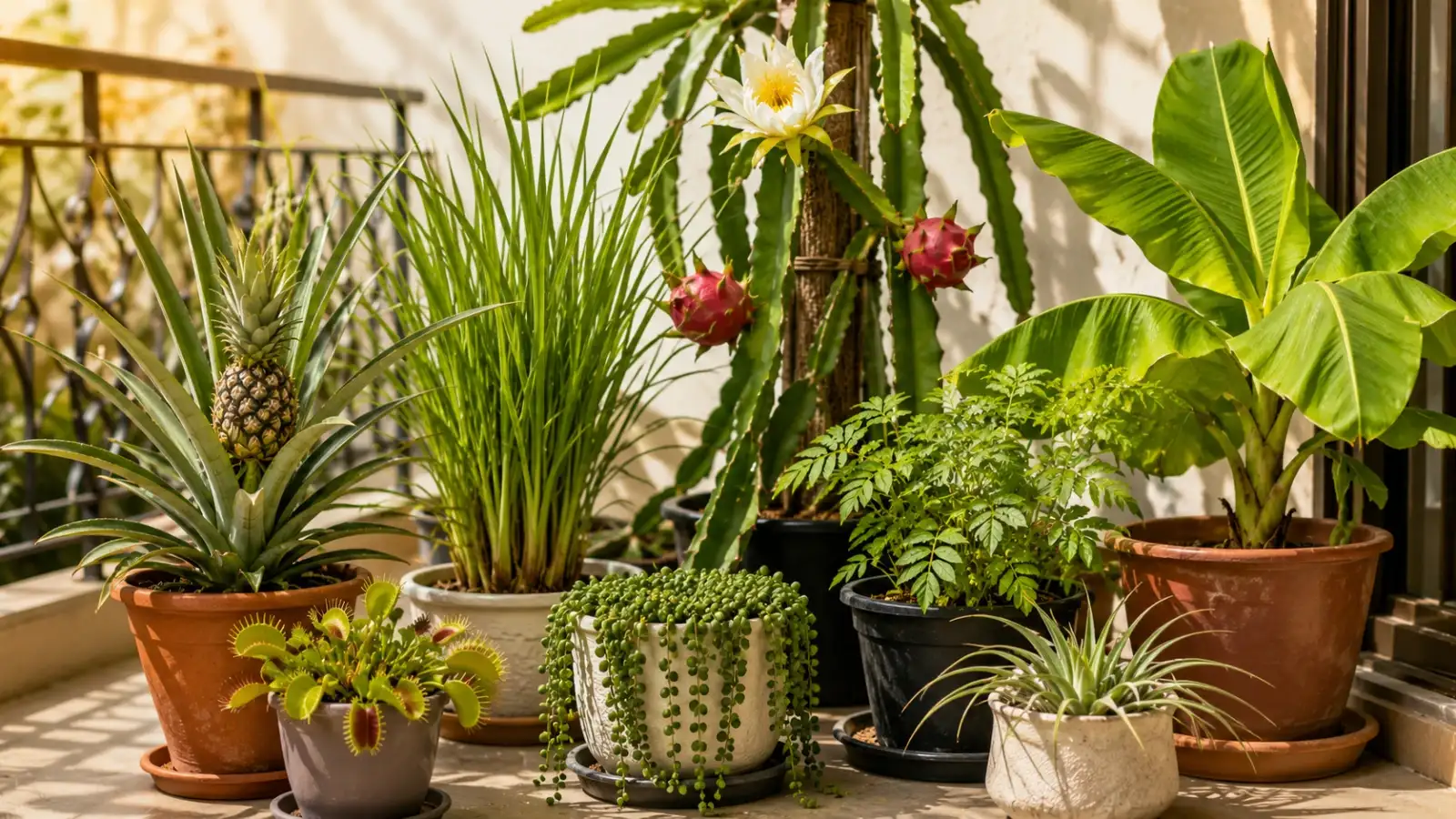
Container gardening is especially useful when you have limited outdoor space. With the right pot, soil, sunlight and watering routine, some surprisingly interesting plants can be grown without a traditional garden bed.
From tropical-looking fruit plants to unusual succulents, these container plants can add personality to your home while giving you something new to care for.
Pineapple plants prefer plenty of sunlight and well-drained soil. They do not need extremely large pots when young, but the container should provide enough room for the plant to develop.
Even before it produces fruit, its unusual shape can make it an attractive plant for pots.
Venus flytraps need different care from many ordinary houseplants. They prefer bright light and naturally nutrient-poor growing conditions. They also generally require suitable water rather than ordinary mineral-rich tap water.
Watching the plant respond to tiny insects can make it an especially interesting choice for curious gardeners.
It can be grown in a large pot where it receives plenty of sunlight. Once established, the stalks can be harvested for cooking and drinks.
Growing lemongrass at home gives you both an unusual-looking plant and a useful kitchen ingredient.
With sufficient warmth, sunlight and suitable care, a mature plant can produce striking flowers followed by colourful fruit.
If you have a sunny balcony or terrace and enough room for vertical growth, dragon fruit can turn an empty corner into an eye-catching mini garden.
It prefers bright light and well-drained soil. Like many succulents, it is vulnerable to problems caused by excessive watering.
Its unusual appearance makes it one of the more interesting succulent plants for containers, especially for shelves, balconies and sunny windows.
Banana plants generally prefer warmth, sunlight, regular moisture and plenty of nutrients during active growth.
Even if your plant never produces fruit, its large leaves can give a balcony or terrace a distinctly tropical appearance.
A healthy curry leaf plant can grow into a small tree over time, although regular pruning can help keep it manageable in a container.
Give it plenty of sunlight and use a container with good drainage. With the right care, it can become both a useful kitchen plant and an attractive addition to your home garden.
They can be displayed in hanging holders, on pieces of wood or in other suitable decorative arrangements. Their unusual shapes make them ideal for people who want something different from ordinary potted plants .
Although they are low maintenance compared with some plants, they still need appropriate light, airflow and regular watering or misting depending on the variety and environment.
Avoid automatically placing every plant in the largest pot available. A container that is too large can hold excessive moisture around the roots, while a pot that is too small can restrict growth.
It is also important to understand the plant's natural growing conditions. A tropical plant may need warmth and humidity, while a succulent usually prefers drier conditions. A carnivorous plant may require completely different water and soil conditions from a normal houseplant.
Try combining plants with different shapes and textures rather than choosing everything for its flowers. A trailing string of pearls can sit alongside a tall lemongrass plant, while a pineapple plant can provide a strong focal point.
You can also move containers around as seasons and sunlight conditions change.
Pineapple, dragon fruit, Venus flytrap, curry leaf and air plants all offer something different from ordinary garden favourites. Some can even provide food, while others simply bring unusual shapes and textures into your home.
Start with one plant that suits your available light and space, learn what it needs and gradually expand your collection. Your home container garden could soon become one of the most unusual corners of your home.
Container gardening is especially useful when you have limited outdoor space. With the right pot, soil, sunlight and watering routine, some surprisingly interesting plants can be grown without a traditional garden bed.
From tropical-looking fruit plants to unusual succulents, these container plants can add personality to your home while giving you something new to care for.
1. Pineapple
A pineapple plant can make a fascinating addition to a container garden. Its spiky leaves create a tropical appearance, and with suitable conditions, a mature plant can eventually produce a pineapple.Pineapple plants prefer plenty of sunlight and well-drained soil. They do not need extremely large pots when young, but the container should provide enough room for the plant to develop.
Even before it produces fruit, its unusual shape can make it an attractive plant for pots.
2. Venus Flytrap
If you want a plant that looks like it belongs in a science-fiction film, consider a Venus flytrap. This small carnivorous plant catches insects using specialised leaves that close when triggered.Venus flytraps need different care from many ordinary houseplants. They prefer bright light and naturally nutrient-poor growing conditions. They also generally require suitable water rather than ordinary mineral-rich tap water.
Watching the plant respond to tiny insects can make it an especially interesting choice for curious gardeners.
3. Lemongrass
Lemongrass may be familiar as a cooking ingredient, but it can also become an attractive container plant. Its tall, grass-like leaves create a fresh, tropical appearance.It can be grown in a large pot where it receives plenty of sunlight. Once established, the stalks can be harvested for cooking and drinks.
Growing lemongrass at home gives you both an unusual-looking plant and a useful kitchen ingredient.
4. Dragon Fruit
Dragon fruit plants are actually climbing cacti, which makes them a fascinating choice for container gardening. Their thick green stems can grow considerably, so they need support such as a sturdy post or trellis.With sufficient warmth, sunlight and suitable care, a mature plant can produce striking flowers followed by colourful fruit.
If you have a sunny balcony or terrace and enough room for vertical growth, dragon fruit can turn an empty corner into an eye-catching mini garden.
5. String of Pearls
String of pearls is a succulent with long trailing stems covered in small, round leaves that resemble green beads. It looks particularly impressive when allowed to hang over the edge of a pot or elevated planter.It prefers bright light and well-drained soil. Like many succulents, it is vulnerable to problems caused by excessive watering.
Its unusual appearance makes it one of the more interesting succulent plants for containers, especially for shelves, balconies and sunny windows.
6. Dwarf Banana Plant
A dwarf banana plant can bring a tropical feel to a home garden without requiring a huge garden bed. Compact varieties can be grown in large containers and can produce broad green leaves that create a dramatic display.Banana plants generally prefer warmth, sunlight, regular moisture and plenty of nutrients during active growth.
Even if your plant never produces fruit, its large leaves can give a balcony or terrace a distinctly tropical appearance.
7. Curry Leaf Plant
Curry leaf plants are common in South Asian cooking but are often overlooked as decorative container plants. Their small green leaves create a delicate, leafy appearance, while the plant can provide fresh curry leaves for cooking.A healthy curry leaf plant can grow into a small tree over time, although regular pruning can help keep it manageable in a container.
Give it plenty of sunlight and use a container with good drainage. With the right care, it can become both a useful kitchen plant and an attractive addition to your home garden.
8. Air Plants
Air plants are unusual because they do not need to be planted in traditional soil. They belong to a group of plants called Tillandsia and absorb moisture and nutrients through specialised structures on their leaves.They can be displayed in hanging holders, on pieces of wood or in other suitable decorative arrangements. Their unusual shapes make them ideal for people who want something different from ordinary potted plants .
Although they are low maintenance compared with some plants, they still need appropriate light, airflow and regular watering or misting depending on the variety and environment.
Choose the Right Container for Unusual Plants
Growing unusual plants at home is exciting, but the container can make a major difference to their health. Choose a pot that suits the plant's mature size and has suitable drainage holes.Avoid automatically placing every plant in the largest pot available. A container that is too large can hold excessive moisture around the roots, while a pot that is too small can restrict growth.
You may also like
- Headache Striking Suddenly? This Simple Salt-and-Water Trick Is Being Shared for Quick Relief
- Health Tips: If you consume dry fruits daily, you will get many benefits, you can include them in your diet
- A spectacular confluence of classical dances unfolds in Pune
- Mosquitoes Bothering Your Little One? Try These 5 Simple Ways to Keep Insects Away
- Opportunity to Join BHEL: 10th Pass Candidates Can Also Apply
It is also important to understand the plant's natural growing conditions. A tropical plant may need warmth and humidity, while a succulent usually prefers drier conditions. A carnivorous plant may require completely different water and soil conditions from a normal houseplant.
Make Your Container Garden More Interesting
One of the best things about container gardening is the freedom to experiment. You can grow plants that would otherwise seem impossible to fit into a small home garden, provided their basic requirements can be met.Try combining plants with different shapes and textures rather than choosing everything for its flowers. A trailing string of pearls can sit alongside a tall lemongrass plant, while a pineapple plant can provide a strong focal point.
You can also move containers around as seasons and sunlight conditions change.
Small Spaces Can Still Grow Something Extraordinary
You do not need acres of land to grow an unusual collection of plants. A sunny balcony, terrace, patio or windowsill can provide enough space for several interesting varieties.Pineapple, dragon fruit, Venus flytrap, curry leaf and air plants all offer something different from ordinary garden favourites. Some can even provide food, while others simply bring unusual shapes and textures into your home.
Start with one plant that suits your available light and space, learn what it needs and gradually expand your collection. Your home container garden could soon become one of the most unusual corners of your home.






Loving Newspoint? Download the app now
