
Beyond Roses and Marigolds: 10 Unusual Edible Flowers You Can Grow in an Indian Home Garden

A home garden can offer much more than fresh herbs and vegetables. Several flowering plants produce edible blooms that can add colour, aroma and interesting flavours to everyday meals. From bright blue butterfly pea flowers to delicate squash blossoms , these plants can be grown in pots, balconies or small garden spaces across India, depending on the local climate. Some are already used in traditional Indian cooking, while others are popular in international cuisines. With suitable sunlight, healthy soil and careful watering, you can grow these unusual edible flowers and bring something different to your kitchen.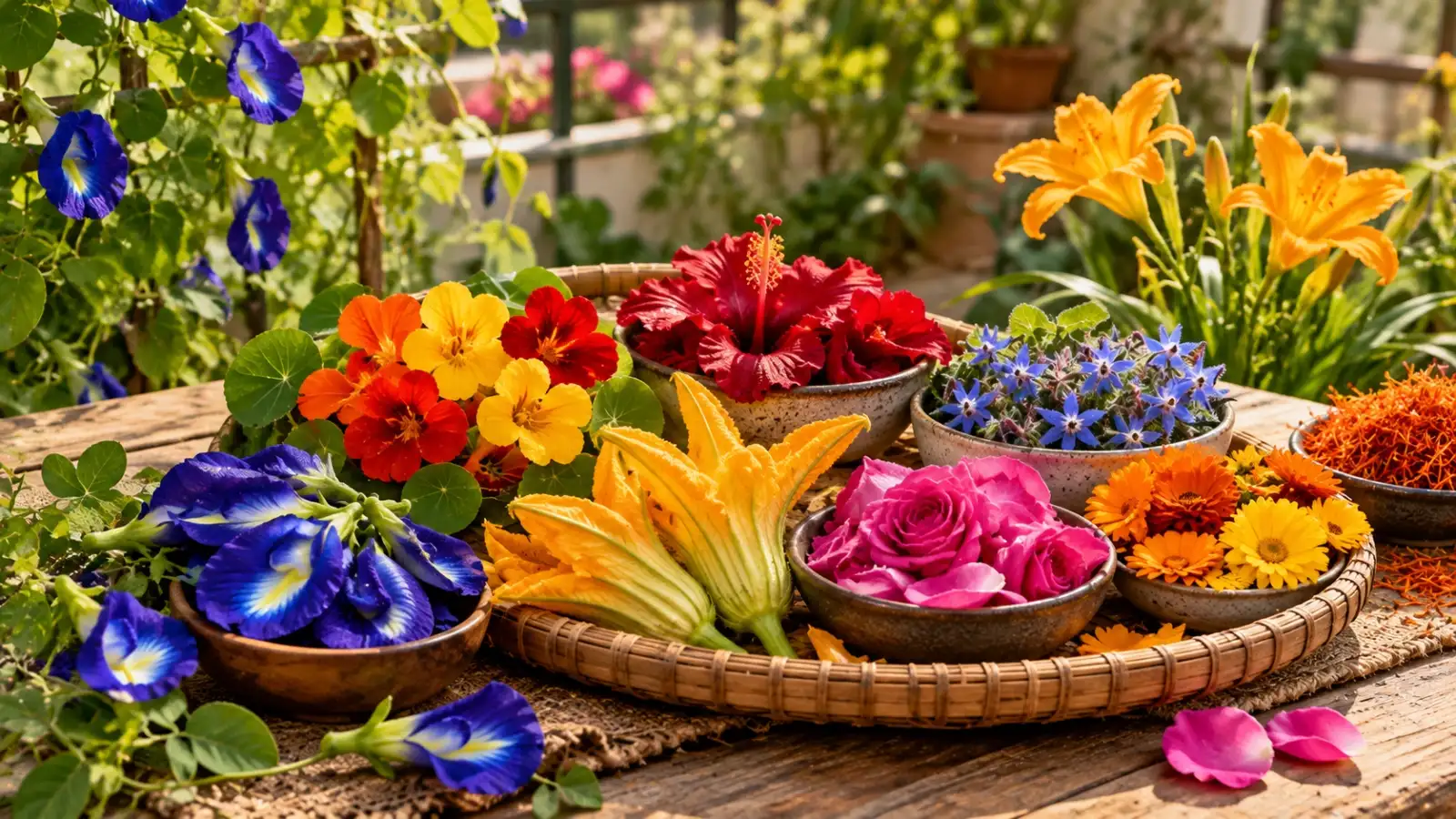
Its flowers are traditionally used to prepare blue herbal infusions. They can also be used to colour rice, lemonade and desserts. When lemon juice is added to butterfly pea tea, its colour can change from blue to purple because of the change in acidity.
The plant prefers sunlight, well-drained soil and regular watering without waterlogging.
The blooms have a mildly peppery flavour, making them suitable for salads, sandwiches and savoury garnishes. They can also be used to decorate homemade appetisers.
Nasturtiums generally prefer cooler growing conditions and may perform better during the milder months in many parts of India. They need well-drained soil and moderate sunlight.
The flowers have a mild flavour and soft texture. They can be added to vegetable fritters, stuffed with a paneer filling or lightly sautéed with garlic and herbs.
Choose male flowers for harvesting when possible, as female flowers develop into fruits. Always leave enough flowers for pollination and fruit production.
Their flavour is often mildly tangy, particularly in preparations made with suitable hibiscus varieties. The plant grows well in warm weather and prefers sunlight, fertile soil and regular watering.
It is important to identify the species correctly before using hibiscus flowers in food, as not every ornamental variety has an established culinary use.
Their petals are used in gulkand, rose syrup, desserts, sherbets and traditional sweets. They can also be added to homemade rose water for culinary preparations.
For edible use, grow roses without chemical pesticides or ornamental sprays. Wash the petals thoroughly and remove the bitter white base before using them.
The flowers can be used as decorative additions to salads, chilled drinks and desserts. Their mild cucumber-like flavour makes them particularly interesting for summer refreshments.
Borage prefers well-drained soil and a sunny growing location. In hotter parts of India, it may be easier to grow during cooler months or in a location with some afternoon shade.
Their buds and flowers can be cooked in stir-fries, soups and vegetable dishes. However, correct identification is essential because true lilies and other similar-looking plants may be toxic.
Only grow and consume a positively identified edible daylily variety. Never assume that a flower is safe to eat simply because it looks similar to one used in cooking.
The plant can be grown in sunny garden beds with well-drained soil. It generally prefers relatively dry conditions once established.
Safflower petals can add colour to rice dishes and certain traditional preparations. They are not the same as saffron, although they have sometimes been used as a less expensive colouring substitute.
The plant is suitable for pots and small garden spaces. It generally grows well in cooler weather and requires sunlight, loose soil and moderate watering.
Use only calendula flowers grown specifically for edible purposes. They should not be confused with other ornamental marigold varieties.
The plant is a fast-growing climber that can cover a simple garden support or balcony trellis. Its flowers are used in herbal infusions, natural food colouring and traditional preparations.
It generally grows well in warm climates and can produce blooms over an extended period when provided with suitable growing conditions.
1. Butterfly Pea: Naturally Blue Flowers
Butterfly pea, commonly known as aparajita in India, is a climbing plant with striking blue flowers. It grows well in warm conditions and can be trained along a balcony railing, garden trellis or support.Its flowers are traditionally used to prepare blue herbal infusions. They can also be used to colour rice, lemonade and desserts. When lemon juice is added to butterfly pea tea, its colour can change from blue to purple because of the change in acidity.
The plant prefers sunlight, well-drained soil and regular watering without waterlogging.
2. Nasturtium: Bright Flowers With a Peppery Taste
Nasturtium produces colourful orange, yellow and red flowers that look attractive in containers and garden beds. Both its flowers and leaves are edible.The blooms have a mildly peppery flavour, making them suitable for salads, sandwiches and savoury garnishes. They can also be used to decorate homemade appetisers.
Nasturtiums generally prefer cooler growing conditions and may perform better during the milder months in many parts of India. They need well-drained soil and moderate sunlight.
3. Squash Blossoms: A Delicate Kitchen Ingredient
Squash and pumpkin plants produce large yellow flowers that are used in several cuisines around the world. These blossoms can be grown in spacious containers or garden beds with sufficient sunlight.The flowers have a mild flavour and soft texture. They can be added to vegetable fritters, stuffed with a paneer filling or lightly sautéed with garlic and herbs.
Choose male flowers for harvesting when possible, as female flowers develop into fruits. Always leave enough flowers for pollination and fruit production.
4. Hibiscus: A Tropical Flower With Many Uses
Hibiscus is a familiar ornamental plant in Indian gardens, but certain varieties also have edible flowers. The petals can be used to prepare herbal drinks, syrups, jams and refreshing infusions.Their flavour is often mildly tangy, particularly in preparations made with suitable hibiscus varieties. The plant grows well in warm weather and prefers sunlight, fertile soil and regular watering.
It is important to identify the species correctly before using hibiscus flowers in food, as not every ornamental variety has an established culinary use.
5. Rose: More Than Just a Decorative Flower
Certain rose varieties are valued for their fragrance and culinary uses. Desi gulab and other suitable fragrant roses can be grown in pots or garden beds.Their petals are used in gulkand, rose syrup, desserts, sherbets and traditional sweets. They can also be added to homemade rose water for culinary preparations.
For edible use, grow roses without chemical pesticides or ornamental sprays. Wash the petals thoroughly and remove the bitter white base before using them.
6. Borage: Delicate Blue Star-Shaped Flowers
Borage is an unusual herb that produces small, star-shaped blue flowers. Both its flowers and leaves have culinary uses in some food traditions.The flowers can be used as decorative additions to salads, chilled drinks and desserts. Their mild cucumber-like flavour makes them particularly interesting for summer refreshments.
Borage prefers well-drained soil and a sunny growing location. In hotter parts of India, it may be easier to grow during cooler months or in a location with some afternoon shade.
7. Daylily: Colourful Flowers for Creative Cooking
Daylilies produce large, trumpet-shaped flowers in shades of orange, yellow and red. Certain species and varieties are used in traditional cuisines, particularly in East Asia.Their buds and flowers can be cooked in stir-fries, soups and vegetable dishes. However, correct identification is essential because true lilies and other similar-looking plants may be toxic.
Only grow and consume a positively identified edible daylily variety. Never assume that a flower is safe to eat simply because it looks similar to one used in cooking.
8. Safflower: Colourful Petals With Culinary Uses
Safflower is a flowering plant known for its bright orange, yellow or reddish blooms. Its dried petals have traditionally been used as a natural colouring ingredient in some cuisines.The plant can be grown in sunny garden beds with well-drained soil. It generally prefers relatively dry conditions once established.
Safflower petals can add colour to rice dishes and certain traditional preparations. They are not the same as saffron, although they have sometimes been used as a less expensive colouring substitute.
9. Calendula: The Edible Pot Marigold
Calendula, also called pot marigold, produces cheerful yellow and orange flowers. Its petals are used in some cuisines to add colour to salads, rice dishes, soups and baked preparations.The plant is suitable for pots and small garden spaces. It generally grows well in cooler weather and requires sunlight, loose soil and moderate watering.
Use only calendula flowers grown specifically for edible purposes. They should not be confused with other ornamental marigold varieties.
10. Clitoria Ternatea: A Garden Favourite With Multiple Uses
Although commonly known as butterfly pea, Clitoria ternatea deserves special attention because it is particularly suitable for many Indian home gardens.The plant is a fast-growing climber that can cover a simple garden support or balcony trellis. Its flowers are used in herbal infusions, natural food colouring and traditional preparations.
It generally grows well in warm climates and can produce blooms over an extended period when provided with suitable growing conditions.
How to Grow Edible Flowers Safely at Home
Before adding edible flowers to your garden, follow a few important precautions:- Confirm the botanical identity of every flower before consuming it.
- Choose varieties with established culinary uses rather than experimenting with unknown ornamental plants.
- Avoid flowers treated with pesticides, insecticides or chemical sprays.
- Use clean soil and suitable containers with drainage holes.
- Wash flowers gently before preparing them.
- Introduce unfamiliar edible flowers in small quantities, as individual sensitivities and allergies can occur.
Next Story