
7 Destinations Where You Can Explore Historic Windmills

Windmills are more than charming structures standing against a countryside skyline. For centuries, they have been used to grind grain, pump water, drain land and support local industries. Before modern machinery transformed everyday life, the movement of large wooden or stone sails provided an important source of mechanical power.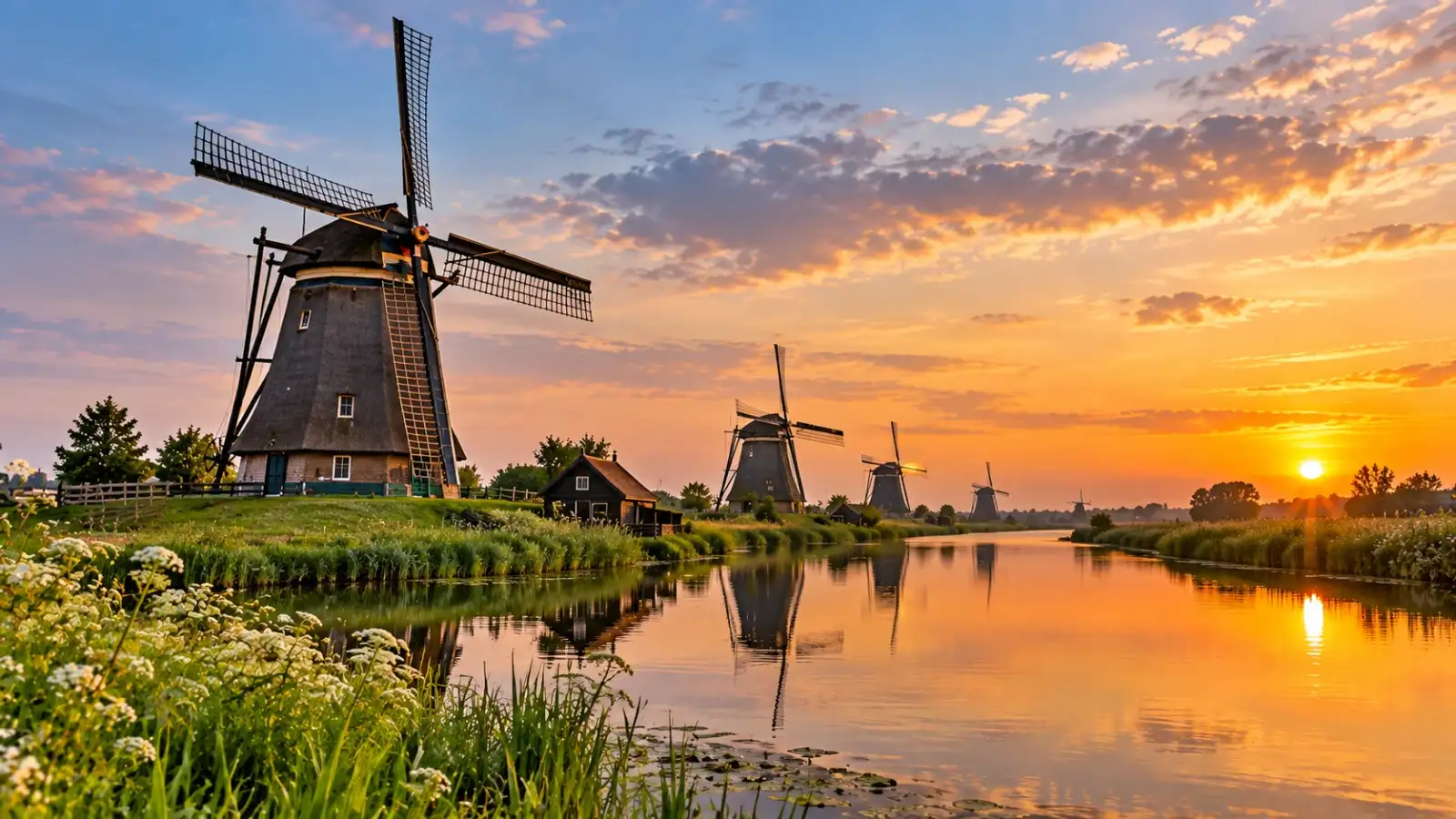
Today, historic windmills offer travellers a fascinating way to explore local history. Some have been carefully preserved as museums, while others still operate during special demonstrations. A few can be found in landscapes where windmills remain an important part of the region's identity.
From the famous Dutch countryside to remote Greek islands, these destinations offer memorable places to discover the history and character of traditional windmills.
The windmills helped pump water from lower areas into canals and ultimately towards the river. Their purpose was practical rather than decorative, and their presence reflects the long relationship between the Netherlands and water management.
Walking or cycling around Kinderdijk allows visitors to see the windmills in their natural landscape. Some interiors can also be visited, offering a closer look at how millers once lived and worked.
The mills were once used for different industrial purposes, including processing timber and other materials. Some continue to demonstrate their original functions, giving visitors a chance to see traditional machinery in operation.
The combination of wooden houses, waterways, bridges and working windmills makes Zaanse Schans particularly attractive for travellers interested in Dutch heritage. It is also an easy addition to a short Netherlands itinerary.
These mills are closely connected with the literary world of Miguel de Cervantes and the famous story of Don Quixote. The striking location makes them especially memorable, with the white structures standing out against the broad Castilian landscape.
Several windmills have been preserved, and some can be visited. The surrounding town also provides an opportunity to explore Spanish history beyond the better-known attractions of Madrid and Barcelona.
The mills were historically used to grind grain, taking advantage of the strong winds that regularly pass across the Cyclades. Their location also reflected the island's position along important maritime routes.
Today, visitors can see the famous windmills around Chora and enjoy views across the Aegean Sea. Although many are no longer used for milling, they remain an important reminder of Mykonos's working past.
The windmills around areas such as Campos and Muro provide an interesting alternative to Mallorca's famous beaches and resorts. Their simple structures and large sails are closely connected to the island's agricultural landscape.
Exploring Mallorca's windmills can reveal a quieter side of the destination. Instead of focusing only on coastal attractions, visitors can discover how earlier generations used wind power to support farming and local communities.
The historic structures use vertical sails and were designed to take advantage of strong local winds. Their construction reflects generations of knowledge about working with the natural environment.
The windmills provide an unusual glimpse into ancient engineering and traditional technology. For travellers interested in history, architecture and the development of renewable energy, Nashtifan offers a particularly distinctive experience.
Their position beside the sea also makes them visually striking. The harbour itself has a long maritime history, so exploring the windmills can easily be combined with a walk through Rhodes Town and its historic areas.
Unlike modern wind turbines, these old mills were built directly around the needs of local communities. Their sturdy stone construction and traditional mechanisms show how wind was once turned into useful mechanical energy.
The machines also tell stories about everyday life. A windmill could mean flour for a village, water for crops or timber for construction. In some places, entire local economies depended on these structures.
Today, visiting a historic windmill can also change the way we think about renewable energy. Long before modern wind turbines appeared, communities were already finding practical ways to turn the power of moving air into useful work.
For travellers, these destinations offer more than attractive photographs. They provide a chance to understand traditional engineering, local industries and the relationship between communities and their natural surroundings.
If you enjoy heritage travel, architecture or unusual landmarks, adding a historic windmill to your itinerary can make an ordinary sightseeing trip much more memorable.
Disclaimer: Travel information, opening hours, entry fees, access arrangements and local conditions can change. Please cross-check all details before visiting. NewsPoint will not be responsible for anything arising from the information provided in this article.
Today, historic windmills offer travellers a fascinating way to explore local history. Some have been carefully preserved as museums, while others still operate during special demonstrations. A few can be found in landscapes where windmills remain an important part of the region's identity.
From the famous Dutch countryside to remote Greek islands, these destinations offer memorable places to discover the history and character of traditional windmills.
1. Kinderdijk, Netherlands
Kinderdijk is perhaps one of the most recognisable windmill landscapes in the world. Located near Rotterdam, this UNESCO World Heritage site has a remarkable collection of historic windmills built as part of a larger system for managing water levels.The windmills helped pump water from lower areas into canals and ultimately towards the river. Their purpose was practical rather than decorative, and their presence reflects the long relationship between the Netherlands and water management.
Walking or cycling around Kinderdijk allows visitors to see the windmills in their natural landscape. Some interiors can also be visited, offering a closer look at how millers once lived and worked.
2. Zaanse Schans , Netherlands
Another excellent destination for historic windmills is Zaanse Schans, located close to Amsterdam. This open-air heritage area brings together historic buildings, workshops and several traditional windmills.The mills were once used for different industrial purposes, including processing timber and other materials. Some continue to demonstrate their original functions, giving visitors a chance to see traditional machinery in operation.
The combination of wooden houses, waterways, bridges and working windmills makes Zaanse Schans particularly attractive for travellers interested in Dutch heritage. It is also an easy addition to a short Netherlands itinerary.
3. Consuegra, Spain
For a completely different windmill landscape, head to Consuegra in central Spain. The town is famous for a line of traditional windmills standing on a ridge above the surrounding plains.These mills are closely connected with the literary world of Miguel de Cervantes and the famous story of Don Quixote. The striking location makes them especially memorable, with the white structures standing out against the broad Castilian landscape.
Several windmills have been preserved, and some can be visited. The surrounding town also provides an opportunity to explore Spanish history beyond the better-known attractions of Madrid and Barcelona.
4. Mykonos, Greece
The windmills of Mykonos are among the most photographed historic structures in Greece. Their whitewashed walls and traditional wooden sails have become an important symbol of the island.The mills were historically used to grind grain, taking advantage of the strong winds that regularly pass across the Cyclades. Their location also reflected the island's position along important maritime routes.
Today, visitors can see the famous windmills around Chora and enjoy views across the Aegean Sea. Although many are no longer used for milling, they remain an important reminder of Mykonos's working past.
5. Mallorca, Spain
Mallorca has a long history of using windmills, particularly for agricultural purposes. Hundreds of traditional mills once operated across the island, with many used to pump groundwater for farming.The windmills around areas such as Campos and Muro provide an interesting alternative to Mallorca's famous beaches and resorts. Their simple structures and large sails are closely connected to the island's agricultural landscape.
Exploring Mallorca's windmills can reveal a quieter side of the destination. Instead of focusing only on coastal attractions, visitors can discover how earlier generations used wind power to support farming and local communities.
6. Nashtifan, Iran
Nashtifan in northeastern Iran is home to some of the world's oldest surviving windmills. These traditional mills are particularly fascinating because their design differs greatly from the familiar European windmill.The historic structures use vertical sails and were designed to take advantage of strong local winds. Their construction reflects generations of knowledge about working with the natural environment.
The windmills provide an unusual glimpse into ancient engineering and traditional technology. For travellers interested in history, architecture and the development of renewable energy, Nashtifan offers a particularly distinctive experience.
7. Burj Al Arab and the Windmills of Rhodes, Greece
The island of Rhodes has several historic windmills associated with its coastal and agricultural heritage. Around Mandraki Harbour, visitors can see stone windmills that once played a role in processing grain brought to the island.Their position beside the sea also makes them visually striking. The harbour itself has a long maritime history, so exploring the windmills can easily be combined with a walk through Rhodes Town and its historic areas.
Unlike modern wind turbines, these old mills were built directly around the needs of local communities. Their sturdy stone construction and traditional mechanisms show how wind was once turned into useful mechanical energy.
Why Historic Windmills Are Worth Visiting
Historic windmills offer a different kind of travel experience because they connect technology with landscape. Their locations were rarely chosen simply for appearance. They needed strong winds, access to water or proximity to farmland and settlements.The machines also tell stories about everyday life. A windmill could mean flour for a village, water for crops or timber for construction. In some places, entire local economies depended on these structures.
Today, visiting a historic windmill can also change the way we think about renewable energy. Long before modern wind turbines appeared, communities were already finding practical ways to turn the power of moving air into useful work.
A Different Way to Explore Local History
From the canals of the Netherlands and the plains of Spain to Greek islands and the landscapes of Iran, historic windmills appear in surprisingly different forms. Some are elegant and brightly painted, while others are simple stone structures designed purely for function.For travellers, these destinations offer more than attractive photographs. They provide a chance to understand traditional engineering, local industries and the relationship between communities and their natural surroundings.
If you enjoy heritage travel, architecture or unusual landmarks, adding a historic windmill to your itinerary can make an ordinary sightseeing trip much more memorable.
Disclaimer: Travel information, opening hours, entry fees, access arrangements and local conditions can change. Please cross-check all details before visiting. NewsPoint will not be responsible for anything arising from the information provided in this article.
Next Story