
Why Solo Travellers on Indian Trains Always Pick the Upper Berth

There is a particular pleasure in climbing up to an upper berth , pulling your bag in after you, and watching the compartment below settle into its own chaos while you stay above it. Solo travellers on Indian trains have known this for a long time, and the preference is not accidental.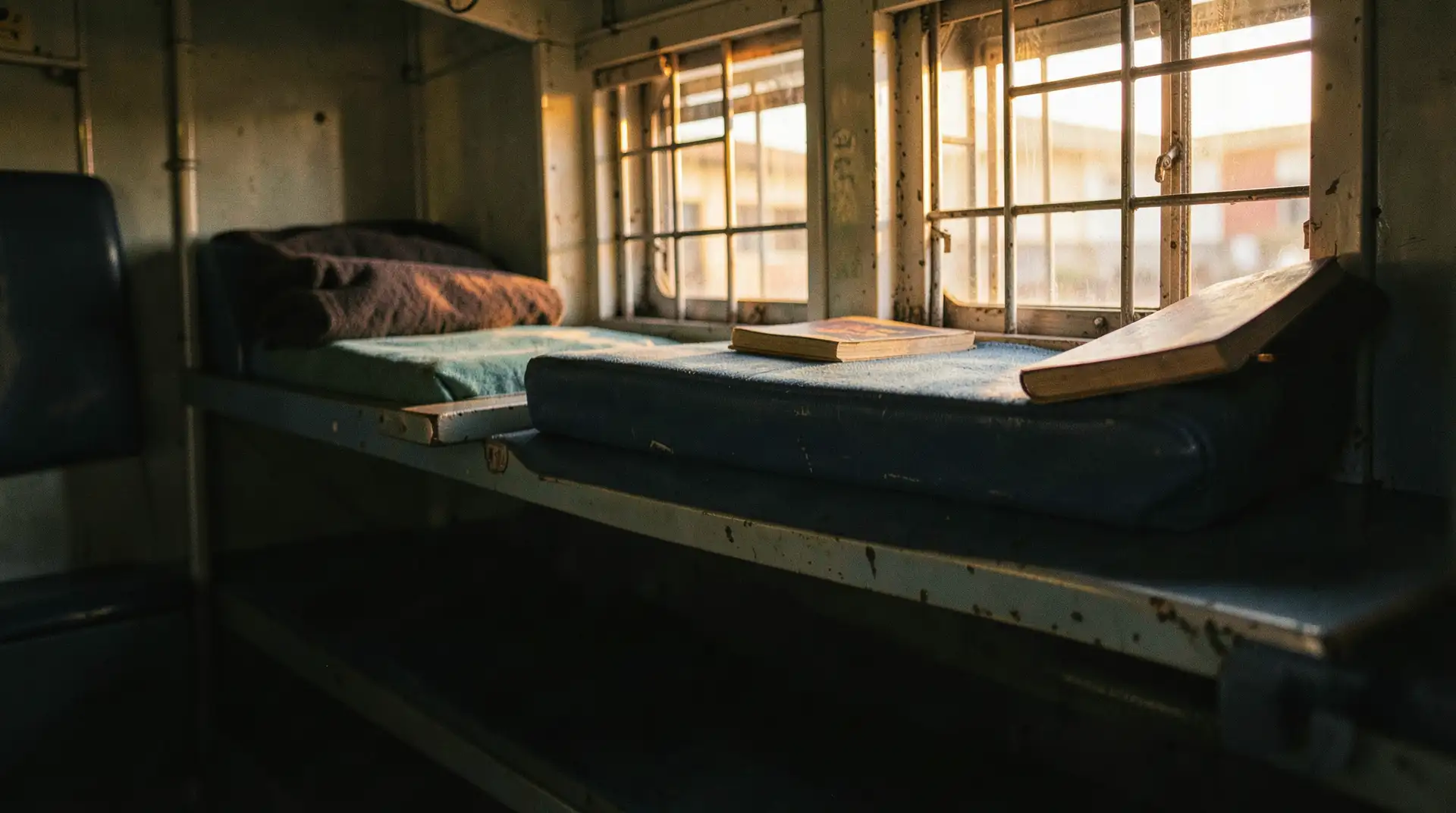
The upper berth, by contrast, is yours from the moment the train moves. Nobody needs to sit on it. Nobody asks if they can rest there for a while. A solo traveller with a book, a pair of earphones, and six hours to go has found the only genuinely private surface in a shared coach.

The bag goes against the wall, you face outward, and the distance from the aisle creates a buffer that the lower berth simply does not offer. It is a structural advantage that no amount of vigilance can fully replicate from below.
The upper berth opts out of most of that. You go up when you want, you turn off your reading light when you want, and the conversation happening two feet below you becomes background noise rather than an obligation. For someone travelling alone, who has no travel companion to perform wakefulness for, this matters more than it sounds.
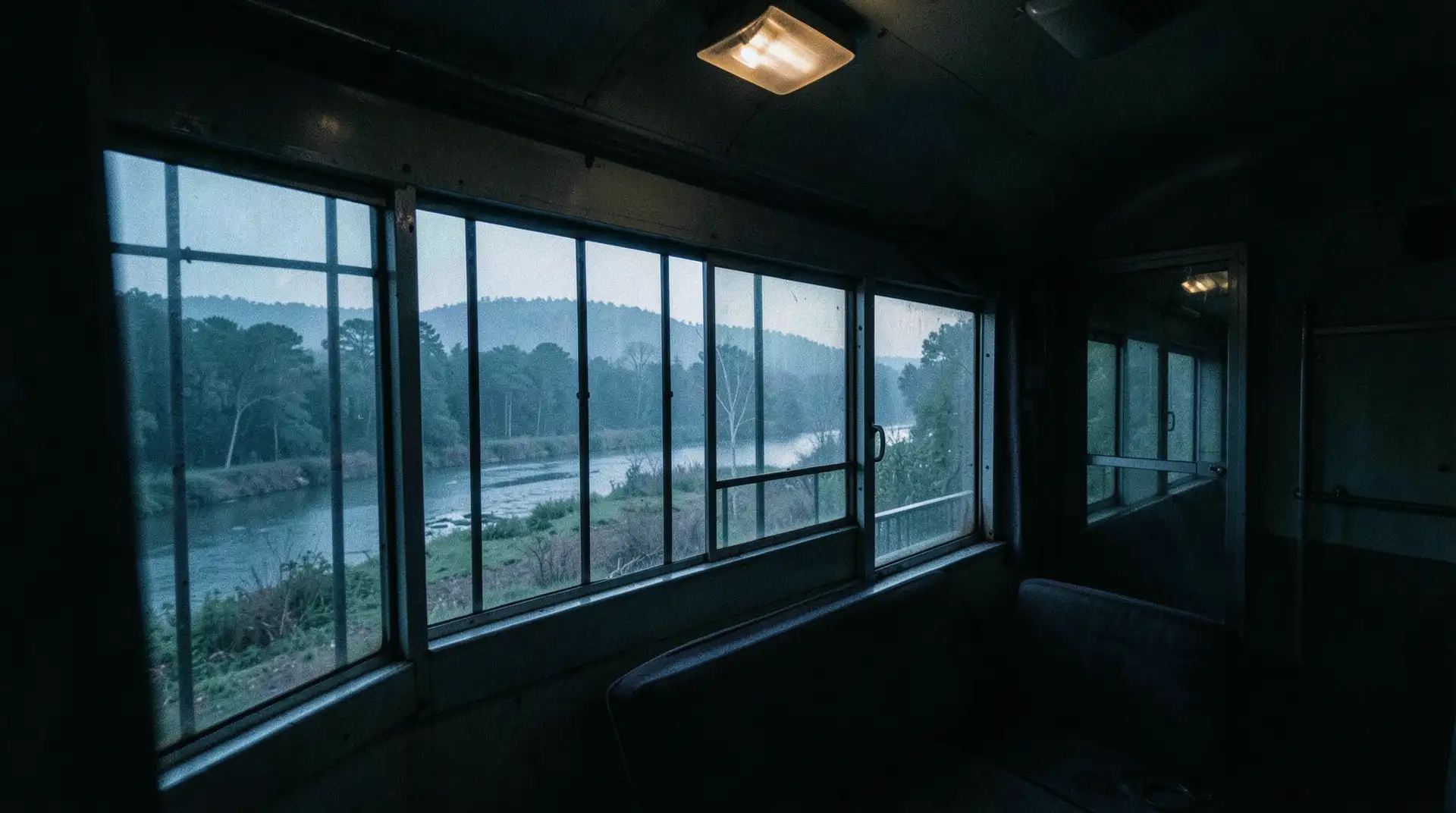
It costs nothing extra and it is available only to the person who thought to book the right berth.
Experienced solo travellers describe it as the closest thing to solitude that a shared public space in India can produce. Not isolation, you can hear everything, you are part of the same coach, but a kind of chosen distance that the lower berth never quite allows. The upper berth is, in the end, a small act of self-possession inside a very large, very communal system.
A Room That Nobody Else Has a Claim To
The lower berth belongs to everyone during the day. Strangers sit on it, families spread their tiffins across it, children bounce on it. The middle berth folds up at night and disappears into someone else's wall.The upper berth, by contrast, is yours from the moment the train moves. Nobody needs to sit on it. Nobody asks if they can rest there for a while. A solo traveller with a book, a pair of earphones, and six hours to go has found the only genuinely private surface in a shared coach.
The Logic of Safety and Luggage
A bag pushed to the wall on an upper berth is harder to reach than one stowed under a lower seat. This is not a small consideration on a long overnight journey. Solo travellers, especially women travelling alone, consistently cite the upper berth as the easier berth to feel secure on, there is one point of access, and you control it.The bag goes against the wall, you face outward, and the distance from the aisle creates a buffer that the lower berth simply does not offer. It is a structural advantage that no amount of vigilance can fully replicate from below.
Sleep Without Negotiation
Lower and middle berths come with an unspoken social contract. Lights, conversation, the timing of when the berth gets pulled down, all of these require a small negotiation with the people sharing your bay.The upper berth opts out of most of that. You go up when you want, you turn off your reading light when you want, and the conversation happening two feet below you becomes background noise rather than an obligation. For someone travelling alone, who has no travel companion to perform wakefulness for, this matters more than it sounds.
The Window and the World Outside
Upper berths on the window side sit at exactly the right height to watch the landscape without craning. Pre-dawn India seen from a moving train at that height, a mustard field catching the first light, a river still in mist, a platform sliding past with one chai vendor already awake, is one of the quieter pleasures the country offers.It costs nothing extra and it is available only to the person who thought to book the right berth.
The Feeling That Is Harder to Explain
There is something about being slightly above the ordinary level of things that solo travellers find restorative. The compartment below has its noise and its negotiations and its proximity. Up here, the train rocks the same way, the tracks sound the same, but you are a degree removed.Experienced solo travellers describe it as the closest thing to solitude that a shared public space in India can produce. Not isolation, you can hear everything, you are part of the same coach, but a kind of chosen distance that the lower berth never quite allows. The upper berth is, in the end, a small act of self-possession inside a very large, very communal system.
Next Story