
Why the Gateway of India Was Built Facing the Sea

Mumbai's most recognised landmark has its back to the city and its face to the Arabian Sea. For most people who photograph it, that orientation is simply how it looks. But the direction was a deliberate architectural and political decision made more than a century ago, rooted in how the British Empire understood arrival, power, and the theatre of rule.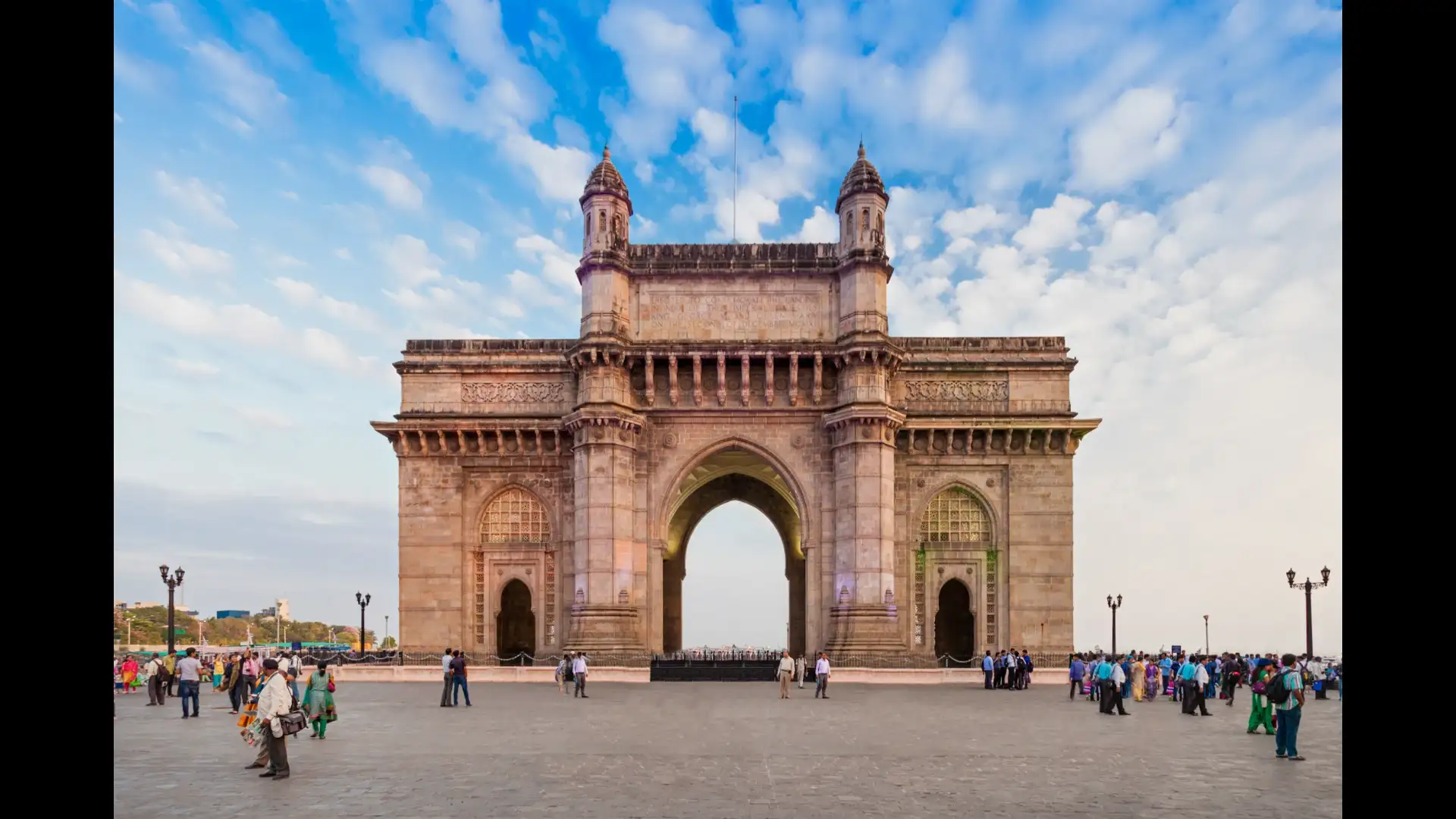
A Gate Built for a Moment That Had Already Passed
The Gateway of India was commissioned to mark the visit of King George V and Queen Mary to India in 1911, the only reigning British monarch ever to set foot on the subcontinent. The original plan was to complete the structure before their arrival. It was not. The royal party passed through a temporary cardboard arch instead, and the stone monument was not finished until 1924, thirteen years after the occasion it was meant to honour. The gate commemorated a moment already in the past by the time it stood complete.Why the Sea Was the Front Door
In the early twentieth century, the sea was how India was reached. Every governor, viceroy, soldier, trader, and dignitary arriving in Bombay came by ship through the harbour. The Apollo Bunder, the old landing jetty at the water's edge, was the city's primary point of entry. Placing the arch at the harbour's edge and orienting it seaward made it the first thing a visitor saw as their ship drew close, and the last thing they saw as they departed. The gate was not meant to be walked through from the city side. It was meant to be approached from the water.The Architecture of Imperial Arrival
The design, by Scottish architect George Wittet, drew on the Indo-Saracenic style, a British colonial fusion of Mughal arches, Hindu temple elements, and Gothic structure, intended to signal that the empire belonged here, that it had absorbed and honoured local tradition. The central arch rises twenty-six metres. The four turrets flanking it are purely ceremonial; no staircase leads up them. The entire structure is a stage set for a specific direction of travel: off a ship, through the arch, into the city. The landward side was secondary from the first drawing.The Last Salute the Gate Ever Gave
The Gateway of India's most consequential moment came not at its opening but at the end of British rule. In February 1948, the last British troops to leave India, the First Battalion of the Somerset Light Infantry, marched through the arch and boarded a ship at the Apollo Bunder. The gate that had been built to welcome the empire's power saw that power off. The sea-facing orientation, chosen to stage imperial arrivals, ended up framing the empire's exit with an unintended symmetry that no architect had planned for.What the Orientation Leaves Behind
The Gateway today sits in a landscape its builders did not imagine. The Apollo Bunder is a tourist promenade. Ships no longer bring governors through the harbour. The Taj Mahal Palace hotel, which opened in 1903 and faces the arch from across the road, has outlasted the empire the arch was built to serve. Visitors arrive by road, by taxi, on foot, from behind the monument, through the side that was never meant to be the entrance. The gate faces the sea because the sea was once everything. That the sea is no longer the front door is the monument's quiet irony, built into stone that has not moved.Next Story