8 Useful Plants That Give You More Than Beautiful Flowers

Flowers are one of the most obvious rewards of growing plants, but they are certainly not the only ones. Some plants can give you fresh fruit, herbs, spices, edible leaves, useful seeds or even materials that can be used around the home.
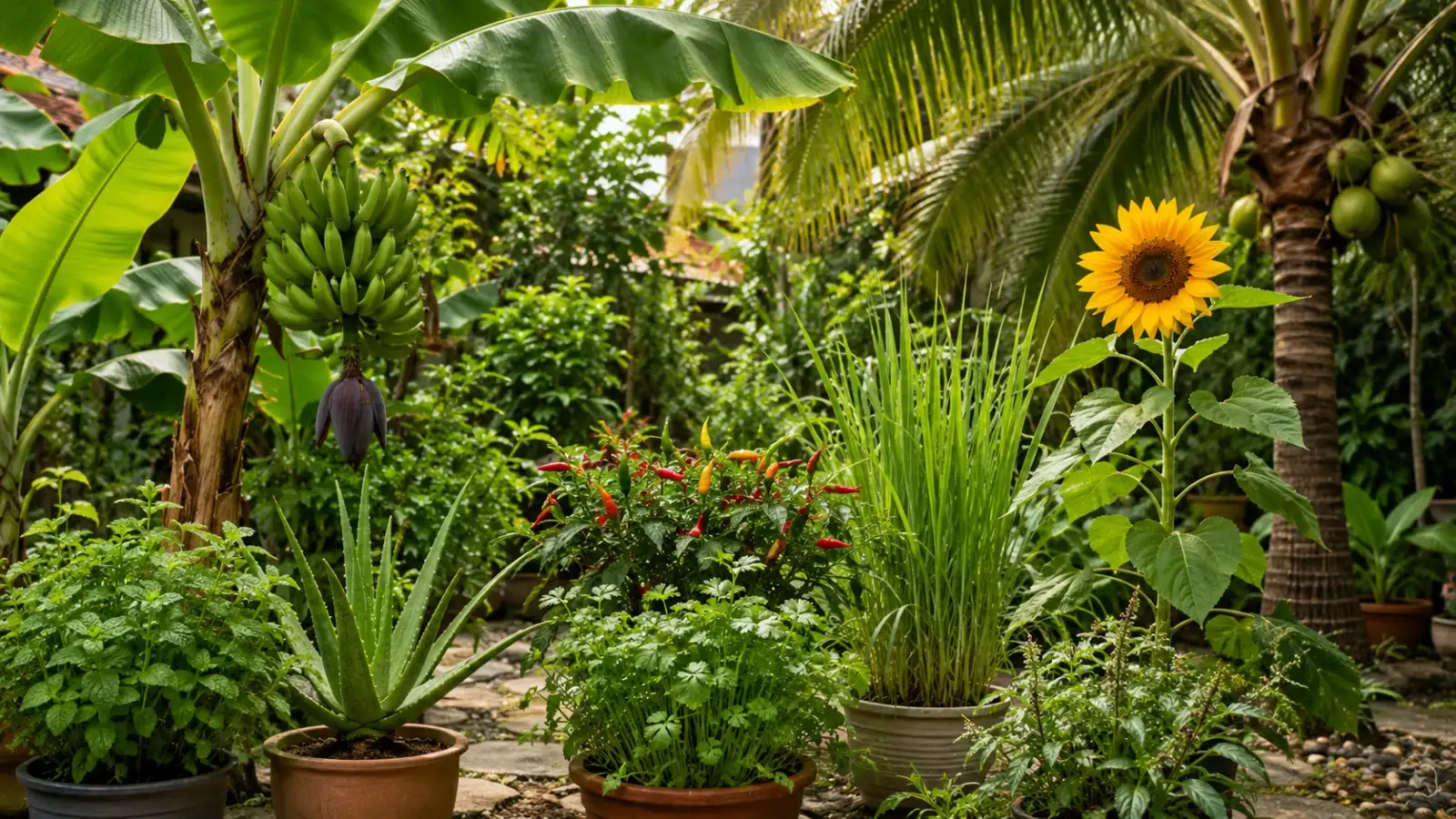
Hero Image


This makes useful plants for home gardens particularly interesting for people who want their garden to be more than a decorative space. A single plant can add greenery while also providing something practical.

You do not always need a large garden either. Several useful plants can grow in containers, pots or small outdoor spaces when given suitable light, soil and care.


Here are eight plants that can offer something useful beyond their flowers.

1. Banana Plants Produce Edible Fruit

Banana plants are instantly recognisable because of their huge green leaves, but their flowers eventually develop into bunches of bananas.


Despite their tree-like appearance, banana plants are technically large herbaceous plants rather than true trees. They prefer warmth, sunlight, moisture and good soil.

If you have enough space, a suitable banana variety can become a dramatic feature in a home garden while also producing fresh fruit at home.

Even when grown mainly for their foliage, banana plants can give a garden a tropical appearance.

2. Mint Gives You Fresh Leaves for the Kitchen

Mint may produce small flowers, but its most useful feature for many home gardeners is its strongly scented leaves.


Fresh mint can be added to drinks, chutneys, salads, sauces and desserts. It grows quickly and can spread aggressively, which makes a container a good choice if you want to keep it under control.

A pot of mint near the kitchen can provide a convenient supply of fresh leaves. Regular harvesting can also encourage the plant to produce plenty of new growth.

For anyone interested in herbs to grow at home, mint is one of the simplest options.

3. Chilli Plants Produce Spicy Fruits

Chilli plants can brighten a garden with their colourful fruits. Depending on the variety, the chillies may turn green, red, orange, yellow or even purple as they mature.

The fruits can be used fresh, dried or cooked into sauces and other dishes. Many chilli plants are compact enough to grow successfully in containers.


They need plenty of sunlight and suitable watering, but they can be rewarding for gardeners who enjoy cooking.

A single plant can produce numerous chillies during the growing season, giving you a useful crop from a relatively small space.

4. Aloe Vera Produces Useful Gel

Aloe vera is better known for its thick, fleshy leaves than its flowers. Inside those leaves is a clear gel that has traditionally been used in a variety of cosmetic and household applications.

The plant is succulent and generally prefers bright light and well-drained soil. It does not need frequent watering, making it suitable for people who sometimes struggle to keep thirsty plants alive.

However, it is important to understand that not every aloe product or preparation is safe for every use. The plant should not be treated as a cure for medical conditions.


As a low-maintenance useful plant, aloe vera can still make an attractive addition to a sunny home garden.

5. Coriander Gives You Leaves and Seeds

Coriander is particularly useful because both its leaves and seeds can be used in cooking.

The fresh leaves are commonly added to curries, chutneys, salads and sauces, while the dried seeds can be used as a spice.

Growing coriander at home allows you to harvest the leaves when they are fresh. If you allow some plants to flower and develop seeds, you can collect the seeds for cooking or use them for your next planting.

It is a good example of a plant where different stages of growth can provide different useful products.


6. Lemongrass Gives You Aromatic Stalks

Lemongrass is a tall, grass-like plant that produces fragrant stalks widely used in cooking and drinks.

The lower sections of the stalks can be used to add a citrus-like aroma to soups, curries, marinades and teas.

It can grow into a substantial clump when given enough sunlight and moisture. A large container can therefore work well if you want to grow it on a balcony or terrace.

Beyond its kitchen uses, its tall leaves also add movement and texture to a garden.

7. Sunflowers Provide Edible Seeds

Sunflowers are usually grown for their enormous flower heads, but the seeds that develop inside those heads can be useful too.


Once the flower head matures and dries, the seeds can be collected. Depending on the variety and preparation, sunflower seeds can be eaten as a snack or added to salads, breads and other foods.

Sunflowers also provide an important food source for birds and other wildlife.

Growing them therefore gives you more than a bright flower display. You can create a plant that adds height and colour while producing something that can be harvested later.

8. Coconut Palms Produce Food and Fibre

Coconut palms are not suitable for every home garden, but in warm tropical climates they can provide an impressive range of useful products.

Coconuts can provide water, edible flesh and coconut milk. Their shells and fibres have also traditionally been used for various practical purposes.


The palm needs plenty of space, warmth and suitable growing conditions, so it is mainly an option for gardeners living in appropriate climates.

Even though growing a coconut palm to maturity is a long-term project, it is an excellent example of how a plant can provide far more than ornamental value.

Why Grow Useful Plants at Home?

A productive garden can make gardening feel more rewarding. Instead of simply watching plants grow, you can harvest something and use it in your kitchen or around your home.

Edible plants for home gardens can also encourage people to experiment with fresh ingredients. A few mint leaves can improve a drink, fresh coriander can brighten a meal and home-grown chillies can add heat to a recipe.

Some useful plants also support wildlife. Sunflowers, for example, can provide seeds for birds, while many flowering plants attract pollinators.


The key is to choose plants that suit your climate and available space rather than simply selecting something because it looks interesting.

Make Your Garden Work Harder

A garden does not have to be purely decorative. Plants such as banana, mint, chilli, coriander, lemongrass and sunflower can provide useful harvests while still adding colour, texture and life to your outdoor space.

Some can even be grown in containers, making them suitable for balconies and small gardens.

The idea is simple. When choosing your next plant, do not ask only how it will look when it flowers. Think about what else it might produce.

You could end up with a garden that looks beautiful, attracts wildlife and gives you something useful to enjoy long after the flowers have disappeared.