6 Plants You Should Avoid Keeping Indoors, According To Vastu Shastra

Indoor plants can instantly brighten up a home. Their greenery adds freshness, colour and a calming touch to any room. However, according to traditional Vastu Shastra beliefs, some plants are better kept outside rather than inside the house.
Hero Image


Vastu focuses on maintaining balance and positive energy in living spaces. Plants that are thorny, dry, restricted in growth or associated with heaviness are often considered unsuitable for indoor areas.

Here are six plants that are generally advised against for indoor placement.


1. Cactus

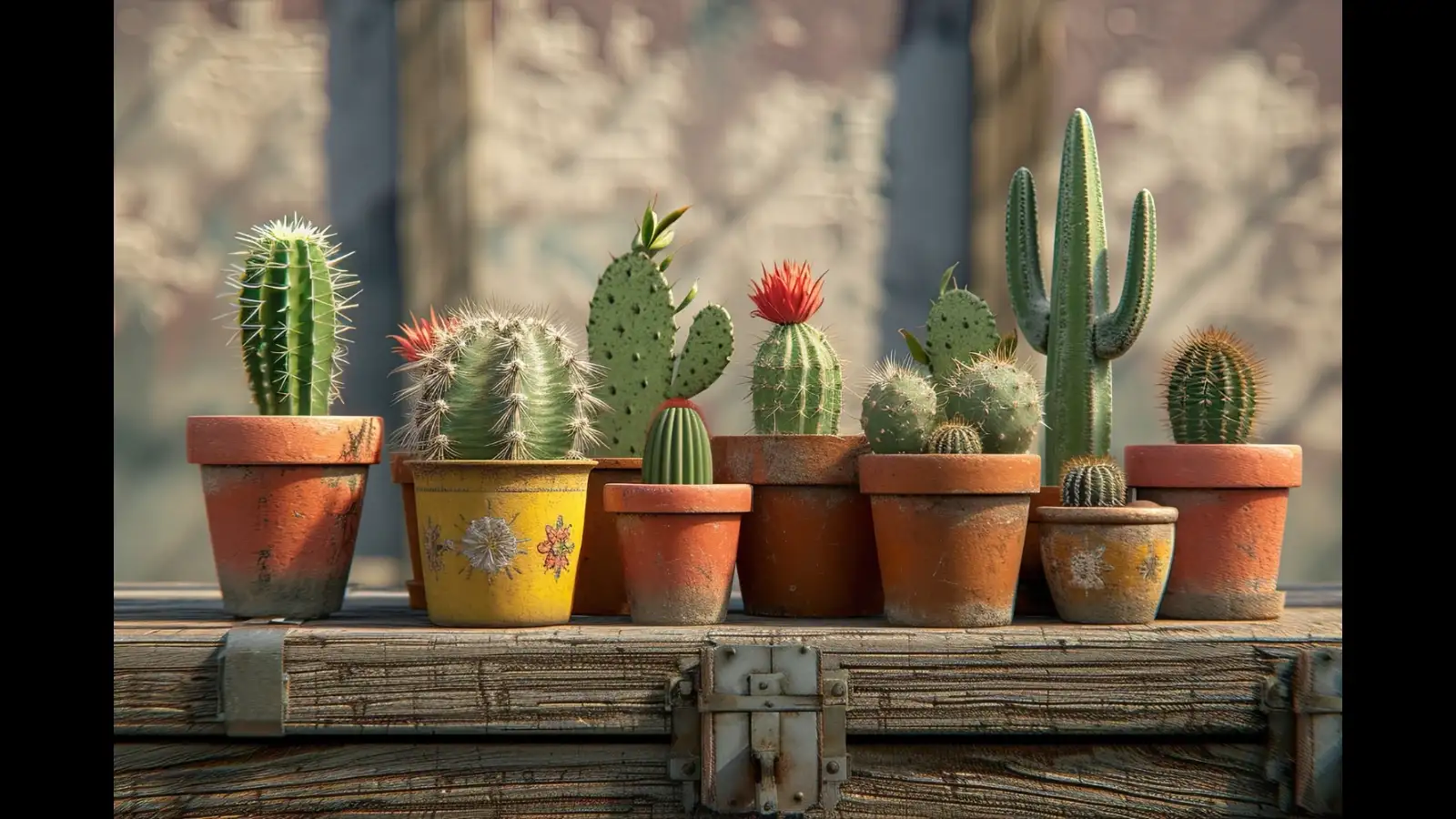
Cactus may be stylish and easy to maintain, but its sharp thorns are traditionally associated with harsh or intense energy in Vastu.

Keeping cactus in bedrooms, living rooms or near the main entrance is believed to encourage tension, arguments or emotional distance. If you love cactus, an outdoor location is generally considered a better choice.


2. Thorny Plants

Plants with prominent thorns are often linked with conflict, anger and defensive energy in Vastu.

For this reason, they are generally avoided in bedrooms, dining spaces, study rooms and prayer areas. If kept outdoors, make sure they do not obstruct the main entrance or pathway.

3. Dry Or Dead Plants

A dried or dead plant can make even a beautiful room look dull and neglected. Vastu traditions also associate unhealthy plants with stagnant energy and a lack of growth.

Remove dead leaves as soon as possible. If a plant has completely dried out and cannot recover, replacing it with a healthy one is considered a better option.


4. Bonsai

Bonsai plants are admired for their miniature beauty, but Vastu practitioners often advise against keeping them inside the home.

Because bonsai growth is deliberately restricted, it is traditionally believed to symbolise limitations or delayed progress. Those seeking growth in career, business or family life may therefore prefer naturally growing plants indoors.

5. Cotton Plant

Cotton plants and decorative cotton stems are sometimes discouraged indoors in Vastu. Their dry appearance can make a space feel less fresh, while loose cotton can also collect dust.

If used purely for decoration, keeping the arrangement clean or choosing a fresh, low-maintenance alternative can help maintain a lighter look indoors.

6. Plants With Milky Sap

Some plants that release white, milky sap when cut are traditionally considered unsuitable for indoor placement.


Vastu beliefs associate certain such plants with uncomfortable or disturbed energy. For indoor spaces, many practitioners recommend choosing healthy, easy-to-maintain plants that create a sense of freshness and lightness.

Choose Plants That Feel Fresh And Lively

Vastu is ultimately about creating a balanced and pleasant environment. Whether or not you follow these traditional beliefs, healthy plants, clean surroundings and proper maintenance can make a home feel more inviting.

If an indoor plant looks weak, dry, dusty or difficult to maintain, it may simply be time to move it outdoors or replace it with a healthier option.


Disclaimer
: Vastu Shastra is a traditional belief system, and there is no scientific evidence that specific plants emit harmful or beneficial 'energies' based on their placement.