
10 Vegetables That Are Surprisingly Rich in Plant-Based Protein for Everyday Meals

Protein is an essential nutrient that supports muscle repair, tissue growth and several important functions in the body. While pulses, dairy products, nuts and seeds are familiar sources of protein in Indian diets, some vegetables also contribute useful amounts of this nutrient. They may not replace concentrated protein sources, but including them in everyday meals can improve overall nutritional variety. From green peas and spinach to broccoli and mushrooms, several vegetables offer more protein than many people realise. Here are ten options worth adding to your regular diet, along with simple ways to enjoy them.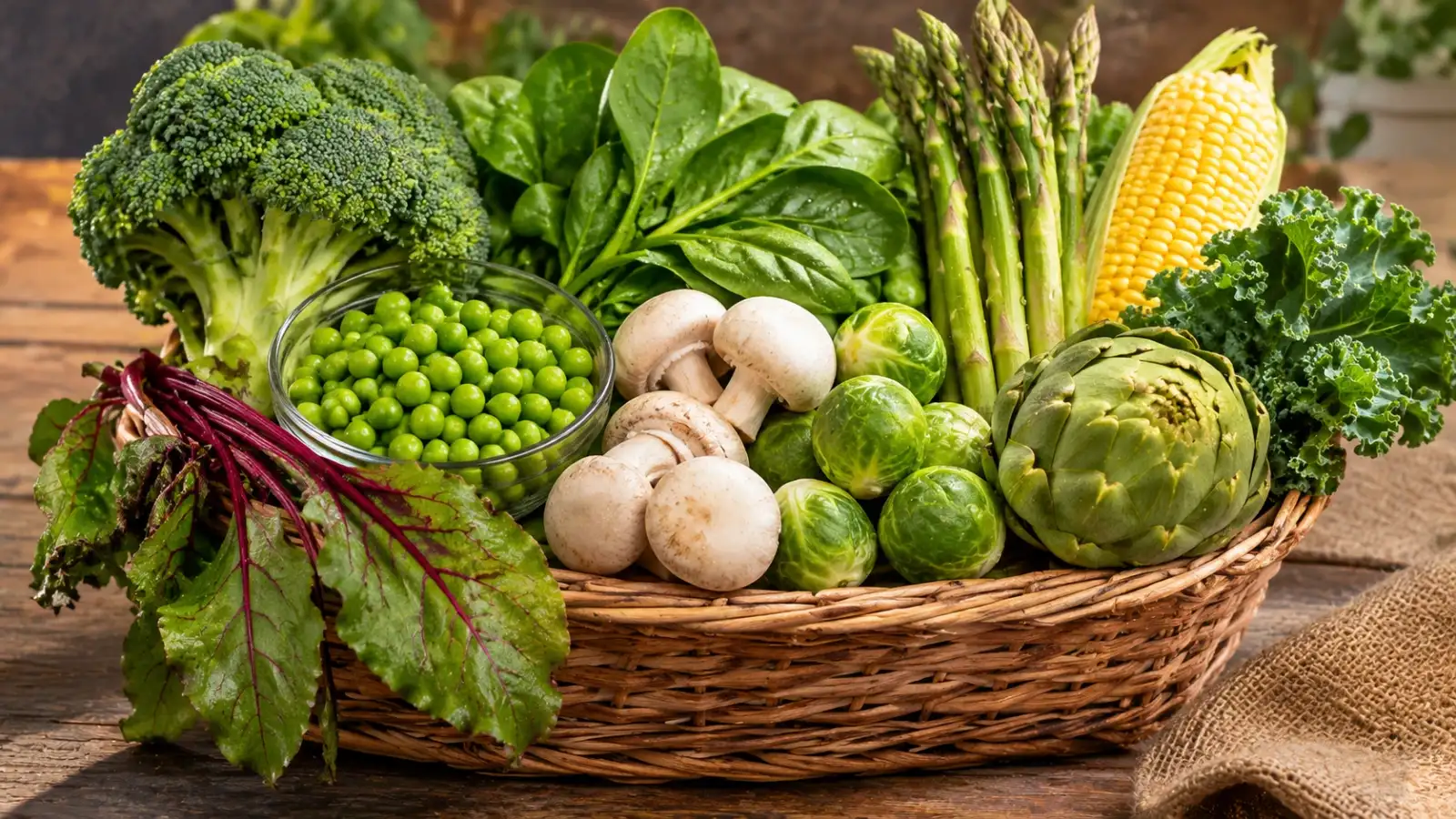
Fresh or frozen peas can be added to matar paneer, vegetable pulao, poha, parathas and mixed vegetable curries. Their natural sweetness also makes them suitable for soups and salads.
It can be prepared as palak paneer, added to dal or mixed into vegetable parathas and soups. Cooking spinach reduces its volume considerably, making it easier to include a generous portion in meals.
You can steam, roast or stir-fry broccoli with garlic and black pepper. It also works well in vegetable soups, pasta and homemade salads.
Roast them with olive oil and spices, add them to vegetable stir-fries or serve them alongside paneer and other protein-rich ingredients.
They can be prepared as mushroom masala, added to pulao, used in soups or cooked with peas and capsicum. Their versatility makes them suitable for several everyday recipes.
It can be lightly steamed, grilled or sautéed with garlic. Asparagus also pairs well with other vegetables in salads and simple stir-fries.
Boiled corn can be added to salads, soups, vegetable pulao and homemade cutlets. A bowl of corn chaat with lemon juice and spices is another simple way to enjoy it.
It can be added to soups, lightly sautéed with garlic or combined with other greens in vegetable preparations. Its slightly firm texture makes it suitable for cooked dishes.
The edible heart can be roasted, steamed or added to salads and pasta. Artichokes also provide prebiotic fibre, which helps support beneficial gut bacteria.
Wash the leaves thoroughly and cook them like other leafy vegetables. They can be added to dal, stir-fries, parathas and mixed vegetable dishes, helping make better use of the whole vegetable.
1. Green Peas: A Protein-Rich Winter Favourite
Green peas are among the more protein-rich vegetables commonly used in Indian kitchens. They provide plant-based protein, dietary fibre, vitamin C and folate.Fresh or frozen peas can be added to matar paneer, vegetable pulao, poha, parathas and mixed vegetable curries. Their natural sweetness also makes them suitable for soups and salads.
2. Spinach: A Leafy Green With Added Protein
Spinach, commonly known as palak, is recognised for its iron and vitamin content, but it also provides plant-based protein.It can be prepared as palak paneer, added to dal or mixed into vegetable parathas and soups. Cooking spinach reduces its volume considerably, making it easier to include a generous portion in meals.
3. Broccoli: A Nutritious Vegetable for Everyday Cooking
Broccoli provides protein along with fibre, vitamin C, vitamin K and folate. Although it is not a high-protein food compared with pulses, it can contribute to daily protein intake.You can steam, roast or stir-fry broccoli with garlic and black pepper. It also works well in vegetable soups, pasta and homemade salads.
4. Brussels Sprouts: Small Vegetables With Useful Nutrients
Brussels sprouts are compact vegetables that contain protein, fibre and several vitamins. They are particularly popular in European cooking but can also be included in Indian-style meals.Roast them with olive oil and spices, add them to vegetable stir-fries or serve them alongside paneer and other protein-rich ingredients.
5. Mushrooms: A Versatile Addition to Vegetarian Meals
Mushrooms are commonly used as a meat-free ingredient because of their firm texture and savoury flavour. They provide some protein, along with B vitamins, selenium and other minerals.They can be prepared as mushroom masala, added to pulao, used in soups or cooked with peas and capsicum. Their versatility makes them suitable for several everyday recipes.
6. Asparagus: A Vegetable With a Balanced Nutrient Profile
Asparagus contains protein, dietary fibre, folate and vitamin K. Although it is not a major protein source, it offers a useful nutritional addition to meals.It can be lightly steamed, grilled or sautéed with garlic. Asparagus also pairs well with other vegetables in salads and simple stir-fries.
7. Sweet Corn: A Filling and Naturally Sweet Option
Sweet corn provides plant-based protein, fibre and carbohydrates. It is widely enjoyed in India as a snack and as an ingredient in several dishes.You may also like
- Ration Card Complaint 2026: Not getting your ration or is the dealer making a mistake? Now you can complain to officials on Webex
- Solar Panels: Can exposure to overnight dew in winter reduce their lifespan?
- Train ticket booking stalled; IRCTC, Rail One, and Rail Connect all down.
- In 2020, Prachi Shirodkar switched from architecture to storytelling; six years later, the 28-year-old's low-budget film on Goa's goldsmiths has won awards and been screened internationally
- Thanksgiving wellness: Enjoy mashed potatoes guilt‑free, but how to balance indulgence?
Boiled corn can be added to salads, soups, vegetable pulao and homemade cutlets. A bowl of corn chaat with lemon juice and spices is another simple way to enjoy it.
8. Kale: A Leafy Vegetable With Protein and Minerals
Kale is a leafy green that contains protein, fibre, vitamin K and vitamin C. It is not traditionally common in most Indian kitchens, but it is increasingly available in supermarkets.It can be added to soups, lightly sautéed with garlic or combined with other greens in vegetable preparations. Its slightly firm texture makes it suitable for cooked dishes.
9. Artichokes: A Lesser-Known Source of Plant Protein
Artichokes contain protein along with dietary fibre, folate and other nutrients. They are less common in Indian cooking but can be found in some speciality food stores.The edible heart can be roasted, steamed or added to salads and pasta. Artichokes also provide prebiotic fibre, which helps support beneficial gut bacteria.
10. Beet Greens: Don't Discard the Leaves
Beetroot leaves are often discarded, even though they are nutritious and contain some plant-based protein. They also provide fibre and vitamins, including vitamin K.Wash the leaves thoroughly and cook them like other leafy vegetables. They can be added to dal, stir-fries, parathas and mixed vegetable dishes, helping make better use of the whole vegetable.
How to Get More Protein From Vegetables
- Combine vegetables with dals, chickpeas, kidney beans or other pulses.
- Add peas, spinach and mushrooms to everyday curries and pulao.
- Include nuts and seeds in salads and vegetable bowls.
- Pair vegetable-based meals with curd, paneer or tofu for additional protein.
- Eat a variety of vegetables rather than relying on one food for your protein needs.






Loving Newspoint? Download the app now
