
10 Vegetables to Grow During Winter

Winter is a good season for growing several vegetables in India, particularly in regions where summers are too hot for cool-season crops. The milder temperatures can help leafy greens, root vegetables and several other crops grow well with the right sunlight, soil and watering routine.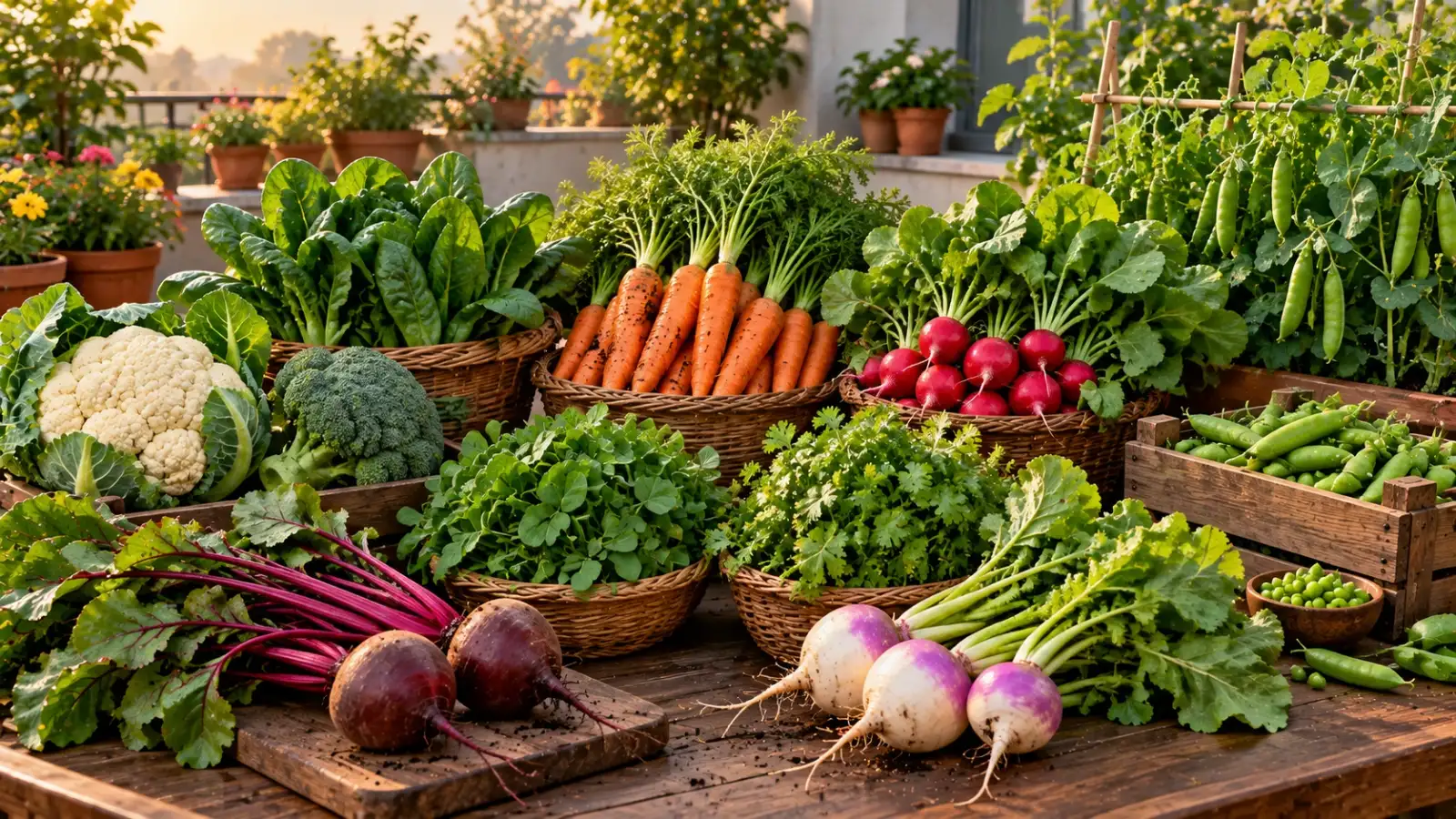
You do not necessarily need a large garden to grow winter vegetables . Many can be cultivated in pots, grow bags or small kitchen gardens, making them suitable for balconies, terraces and outdoor spaces.
Here are 10 vegetables that can be grown during winter.
Use loose, well-draining soil without large stones or compacted sections. Choose a container that provides sufficient depth and place it somewhere that receives several hours of sunlight.
Regular but moderate watering helps maintain consistent soil moisture while avoiding waterlogging.
Sow the seeds directly into loose soil and thin the seedlings once they emerge. Keeping enough space between plants allows the roots to develop properly.
Depending on the variety and growing conditions, some radishes can be ready for harvesting within a few weeks.
The seeds can be sown directly into moist soil. Once the plants establish themselves, harvest the outer leaves regularly rather than removing the entire plant at once.
Spinach benefits from adequate sunlight and consistent moisture, although excessively wet soil can damage the roots.
Peas need support as the plants develop, particularly climbing varieties. A simple trellis or set of sticks can help keep the vines upright.
Regular harvesting can encourage the plant to continue producing pods during the growing period.
Scatter the seeds across moist soil and cover them lightly. Keep the soil moderately moist and place the container in a sunny location.
The tender leaves can be harvested once the plants have grown sufficiently.
Seeds can be sown directly into pots or containers with good drainage. Regular harvesting of the leaves provides a fresh supply for cooking.
Avoid excessive watering, as consistently waterlogged soil can affect plant health.
It requires more space than leafy greens, so choose a sufficiently large container or garden bed. The plant also benefits from fertile, well-draining soil and regular watering.
Cauliflower is more sensitive to temperature fluctuations than some easier crops, so local growing conditions should be considered before planting.
It needs good sunlight, fertile soil and sufficient space for the plant to develop. The main head can be harvested once it reaches an appropriate size, with some varieties producing smaller side shoots afterwards.
Regular observation is useful because mature heads can become less tender if left on the plant for too long.
Sow the seeds directly into loose soil and avoid overcrowding the seedlings. The developing roots need space to expand underground.
Beetroot generally prefers consistent moisture and a sunny growing location.
They prefer loose soil that allows the roots to expand easily. Seeds can be sown directly and thinned after germination to provide adequate growing space.
Both the roots and young leaves can be used in cooking, depending on the variety.
Use fertile soil with good drainage and avoid watering on a fixed schedule without checking the soil first. The amount of water required depends on the container, soil, weather and plant.
If you are growing vegetables in pots, make sure the containers have drainage holes. Poor drainage can lead to root problems even when the plants are otherwise receiving suitable care.
It is also useful to select varieties suited to your local climate. Winter conditions in northern India can be considerably colder than those in southern or coastal regions.
Gardeners with more room can also try carrots, peas, cauliflower, broccoli, beetroot and turnips.
With suitable soil, sunlight, watering and seasonal varieties, a small winter garden can provide fresh vegetables while also making gardening a more enjoyable part of the cooler months.
You do not necessarily need a large garden to grow winter vegetables . Many can be cultivated in pots, grow bags or small kitchen gardens, making them suitable for balconies, terraces and outdoor spaces.
Here are 10 vegetables that can be grown during winter.
Carrots
Carrots are well suited to cooler weather and can be grown in containers as long as the soil is deep enough for the roots to develop.Use loose, well-draining soil without large stones or compacted sections. Choose a container that provides sufficient depth and place it somewhere that receives several hours of sunlight.
Regular but moderate watering helps maintain consistent soil moisture while avoiding waterlogging.
Radishes
Radishes are among the easier winter vegetables to grow at home . They grow relatively quickly and do not require a large amount of space.Sow the seeds directly into loose soil and thin the seedlings once they emerge. Keeping enough space between plants allows the roots to develop properly.
Depending on the variety and growing conditions, some radishes can be ready for harvesting within a few weeks.
Spinach
Spinach grows well in cooler conditions and is suitable for both gardens and containers.The seeds can be sown directly into moist soil. Once the plants establish themselves, harvest the outer leaves regularly rather than removing the entire plant at once.
Spinach benefits from adequate sunlight and consistent moisture, although excessively wet soil can damage the roots.
Green Peas
Green peas are a popular winter crop in many parts of India. They prefer cooler temperatures and can be grown in containers or garden beds.Peas need support as the plants develop, particularly climbing varieties. A simple trellis or set of sticks can help keep the vines upright.
Regular harvesting can encourage the plant to continue producing pods during the growing period.
Fenugreek
Fenugreek, commonly known as methi , is particularly convenient for a home kitchen garden because it can be grown in relatively shallow containers.Scatter the seeds across moist soil and cover them lightly. Keep the soil moderately moist and place the container in a sunny location.
The tender leaves can be harvested once the plants have grown sufficiently.
Coriander
Coriander can be grown during cooler months and does not require much space.Seeds can be sown directly into pots or containers with good drainage. Regular harvesting of the leaves provides a fresh supply for cooking.
Avoid excessive watering, as consistently waterlogged soil can affect plant health.
Cauliflower
Cauliflower is a cool-season vegetable that can be grown during winter in suitable climates.It requires more space than leafy greens, so choose a sufficiently large container or garden bed. The plant also benefits from fertile, well-draining soil and regular watering.
Cauliflower is more sensitive to temperature fluctuations than some easier crops, so local growing conditions should be considered before planting.
Broccoli
Broccoli is another cool-season crop that can perform well during winter.It needs good sunlight, fertile soil and sufficient space for the plant to develop. The main head can be harvested once it reaches an appropriate size, with some varieties producing smaller side shoots afterwards.
Regular observation is useful because mature heads can become less tender if left on the plant for too long.
Beetroot
Beetroot is a useful winter crop for gardeners who want to grow both a root vegetable and edible leafy greens.Sow the seeds directly into loose soil and avoid overcrowding the seedlings. The developing roots need space to expand underground.
Beetroot generally prefers consistent moisture and a sunny growing location.
Turnips
Turnips grow well in cool weather and can be suitable for home gardens and larger containers.They prefer loose soil that allows the roots to expand easily. Seeds can be sown directly and thinned after germination to provide adequate growing space.
Both the roots and young leaves can be used in cooking, depending on the variety.
Tips for Growing Winter Vegetables
Before planting, choose a location that receives several hours of sunlight each day. Most winter vegetables still require good light even though temperatures are lower.You may also like
- Why Do Pregnant Women Become Forgetful? Understanding 'Momnesia'
- Prostate Cancer Symptoms: Why Men May Have No Warning Signs in Early Stages
- Can a Simple CBC Blood Test Catch Blood Cancer, Oncologist Explains the Reality
- How Soon After Ovulation Can You Test for Pregnancy?
- Navratri 2026: 7 Lesser-Known Forms of Shakti and Their Significance
Use fertile soil with good drainage and avoid watering on a fixed schedule without checking the soil first. The amount of water required depends on the container, soil, weather and plant.
If you are growing vegetables in pots, make sure the containers have drainage holes. Poor drainage can lead to root problems even when the plants are otherwise receiving suitable care.
It is also useful to select varieties suited to your local climate. Winter conditions in northern India can be considerably colder than those in southern or coastal regions.
Start a Simple Winter Kitchen Garden
Growing vegetables during winter can be a practical way to make use of a balcony, terrace or small garden. Radishes, methi, spinach and coriander are particularly convenient for beginners because they require relatively little space.Gardeners with more room can also try carrots, peas, cauliflower, broccoli, beetroot and turnips.
With suitable soil, sunlight, watering and seasonal varieties, a small winter garden can provide fresh vegetables while also making gardening a more enjoyable part of the cooler months.






Loving Newspoint? Download the app now
