
10 Vegetarian Foods That Are Naturally Rich in Zinc for Everyday Nutrition

Zinc is an essential mineral that supports several important functions in the human body. It contributes to normal immune function, wound healing, cell growth and the activity of many enzymes. While meat and seafood are well-known sources, vegetarians can also obtain zinc from a variety of plant-based foods. Nuts, seeds, pulses, whole grains and dairy products can all contribute to daily zinc intake. Including a mix of these ingredients in regular meals can help make a vegetarian diet more balanced. Here are ten vegetarian foods that naturally provide zinc and simple ways to include them in your diet.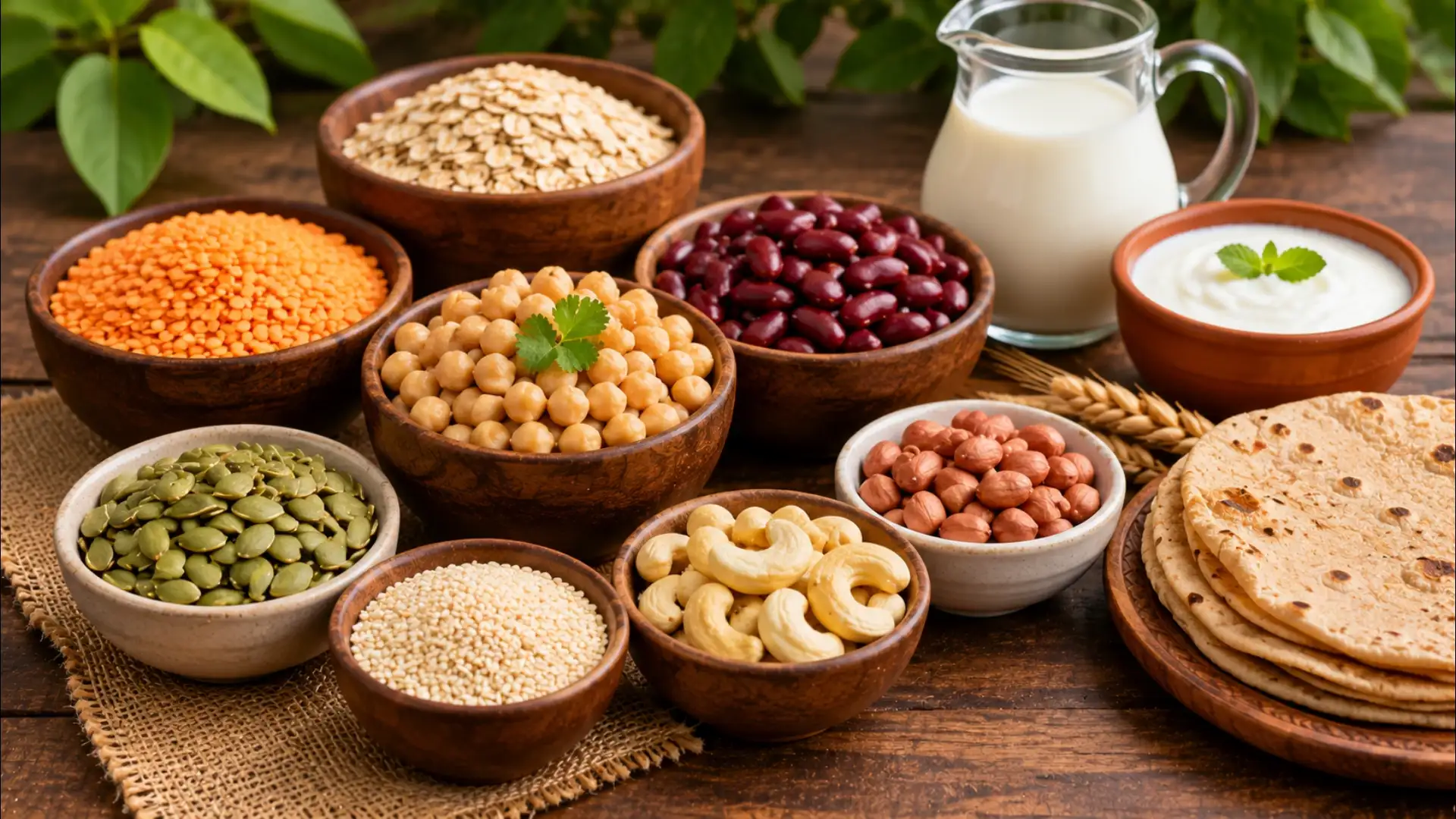
You can eat roasted pumpkin seeds as a snack or sprinkle them over salads, soups, porridge and yoghurt. They can also be added to homemade trail mixes for extra crunch.
White and black sesame seeds can be added to chutneys, vegetable dishes, salads and homemade breads. Traditional preparations such as til laddoos and sesame chikki are also popular ways to enjoy them, although sweetened versions should be eaten in moderation.
Prepare chana masala, roasted chickpeas, hummus or chickpea salad to add variety to your diet. Soaking and thoroughly cooking dried chickpeas makes them easier to use in different recipes.
You can prepare simple dal, lentil soups, khichdi or mixed dal dishes. Eating different varieties throughout the week helps add nutritional variety to everyday meals.
Enjoy a small handful as a snack or add chopped cashews to vegetable pulao, poha, salads and homemade desserts. Since nuts are energy-dense, moderate portions are a practical choice.
Make a bowl of vegetable oats, overnight oats or warm porridge. You can improve the nutritional variety by adding pumpkin seeds, nuts, milk or yoghurt.
Rajma curry served with rice is a classic combination. Cooked kidney beans can also be added to salads, wraps and homemade bean patties. Always soak dried kidney beans and boil them thoroughly before eating, as raw or undercooked kidney beans can be harmful.
Eat roasted peanuts in moderate portions, add them to poha or upma, or prepare homemade peanut chutney. Unsalted versions are useful if you want to keep sodium intake under control.
Whole-wheat chapatis, dalia and homemade breads are easy ways to include it in regular meals. Other whole grains, such as brown rice and millets, can also add variety.
Have plain yoghurt with lunch, use milk in porridge or prepare a simple yoghurt-based smoothie. Dairy products can be combined with pulses, whole grains and vegetables to create balanced meals.
A few everyday food preparation methods can help:
A vegetarian diet can provide zinc through everyday ingredients such as pumpkin seeds, sesame seeds, chickpeas, lentils, nuts, whole grains and dairy products. Including different sources across breakfast, lunch and dinner is a practical way to improve dietary variety. Food preparation methods such as soaking and fermentation can also help with zinc absorption. Rather than depending on a single ingredient, focus on a balanced combination of plant-based foods and other suitable vegetarian options.
1. Pumpkin Seeds
Pumpkin seeds are among the convenient plant-based sources of zinc. A small serving can contribute a useful amount of this mineral, along with protein, healthy fats and magnesium.You can eat roasted pumpkin seeds as a snack or sprinkle them over salads, soups, porridge and yoghurt. They can also be added to homemade trail mixes for extra crunch.
2. Sesame Seeds
Sesame seeds, commonly known as til in India, are used in several traditional recipes. They contain zinc, calcium, healthy fats and other minerals.White and black sesame seeds can be added to chutneys, vegetable dishes, salads and homemade breads. Traditional preparations such as til laddoos and sesame chikki are also popular ways to enjoy them, although sweetened versions should be eaten in moderation.
3. Chickpeas
Chickpeas are a useful source of plant-based protein, fibre and zinc. They are widely used in Indian cooking and can be included in everyday meals in several forms.Prepare chana masala, roasted chickpeas, hummus or chickpea salad to add variety to your diet. Soaking and thoroughly cooking dried chickpeas makes them easier to use in different recipes.
4. Lentils (Dal)
Lentils are an important part of vegetarian diets across India. Masoor, moong, urad and toor dal provide protein, fibre and minerals, including zinc.You can prepare simple dal, lentil soups, khichdi or mixed dal dishes. Eating different varieties throughout the week helps add nutritional variety to everyday meals.
5. Cashews
Cashews contain zinc along with magnesium, copper and healthy unsaturated fats. Their creamy texture makes them suitable for both sweet and savoury recipes.Enjoy a small handful as a snack or add chopped cashews to vegetable pulao, poha, salads and homemade desserts. Since nuts are energy-dense, moderate portions are a practical choice.
6. Oats
Oats provide zinc, fibre and several other nutrients. They are a convenient breakfast ingredient and can be prepared in both sweet and savoury forms.Make a bowl of vegetable oats, overnight oats or warm porridge. You can improve the nutritional variety by adding pumpkin seeds, nuts, milk or yoghurt.
7. Kidney Beans (Rajma)
Kidney beans are a familiar vegetarian food that contributes plant-based protein, fibre and zinc. They are particularly popular in North Indian cooking.Rajma curry served with rice is a classic combination. Cooked kidney beans can also be added to salads, wraps and homemade bean patties. Always soak dried kidney beans and boil them thoroughly before eating, as raw or undercooked kidney beans can be harmful.
8. Peanuts
Peanuts offer a combination of protein, healthy fats, fibre and zinc. They are affordable and widely available, making them an accessible addition to many vegetarian diets.Eat roasted peanuts in moderate portions, add them to poha or upma, or prepare homemade peanut chutney. Unsalted versions are useful if you want to keep sodium intake under control.
9. Whole Wheat
Whole wheat contains zinc along with fibre and other nutrients. Using whole grains instead of relying entirely on refined grains can contribute to a more varied diet.Whole-wheat chapatis, dalia and homemade breads are easy ways to include it in regular meals. Other whole grains, such as brown rice and millets, can also add variety.
10. Milk and Yoghurt
For vegetarians who consume dairy, milk and yoghurt can contribute zinc to the daily diet. They also provide protein and calcium.Have plain yoghurt with lunch, use milk in porridge or prepare a simple yoghurt-based smoothie. Dairy products can be combined with pulses, whole grains and vegetables to create balanced meals.
How to Improve Zinc Absorption From Vegetarian Foods
Many plant-based zinc sources also contain phytates, naturally occurring compounds found in grains, pulses, nuts and seeds. Phytates can reduce the amount of zinc absorbed by the body.A few everyday food preparation methods can help:
- Soak beans and pulses before cooking.
- Ferment foods where suitable, such as dosa and idli batter.
- Use sprouted pulses in properly prepared meals.
- Include a variety of grains, seeds, nuts and legumes.
- Maintain a balanced diet rather than relying on one food for zinc.
A vegetarian diet can provide zinc through everyday ingredients such as pumpkin seeds, sesame seeds, chickpeas, lentils, nuts, whole grains and dairy products. Including different sources across breakfast, lunch and dinner is a practical way to improve dietary variety. Food preparation methods such as soaking and fermentation can also help with zinc absorption. Rather than depending on a single ingredient, focus on a balanced combination of plant-based foods and other suitable vegetarian options.
Next Story