
10 Iron-Rich Vegetarian Foods That Can Help You Build a Balanced Daily Diet

Iron is an essential mineral that helps the body produce haemoglobin, a protein in red blood cells responsible for carrying oxygen. Getting enough iron through everyday meals is important for maintaining normal body functions. While meat and seafood are well-known sources, several vegetarian foods also naturally contain this mineral. Lentils, beans, seeds, leafy vegetables and dried fruits can all contribute to daily iron intake. Including a variety of these ingredients in regular meals is a practical way to support a balanced vegetarian diet. Here are ten vegetarian foods that naturally provide iron.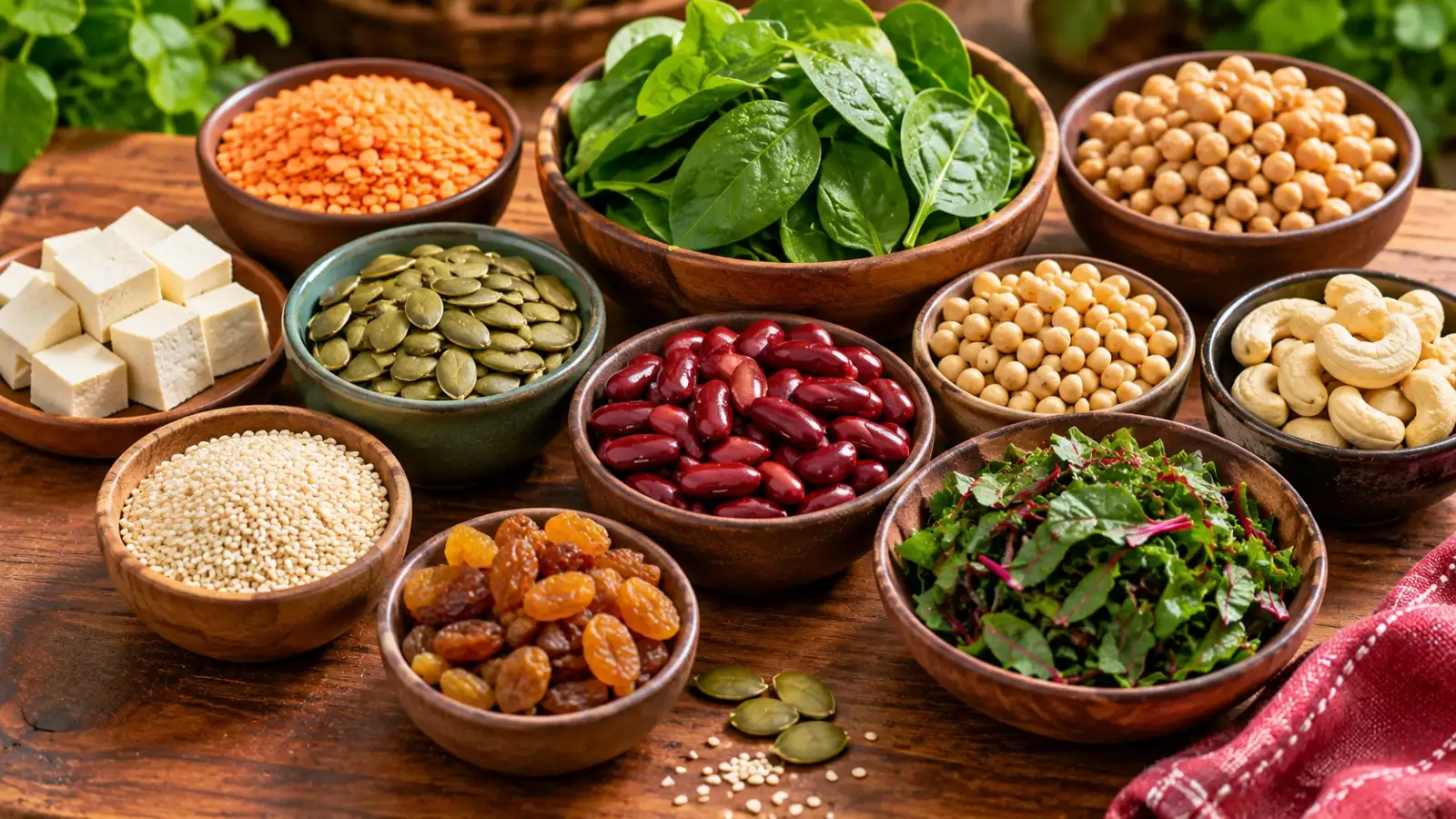
1. Lentils
Lentils are among the most convenient plant-based sources of iron. Common varieties such as masoor dal, moong dal and whole brown lentils can be included in everyday meals.
They are also good sources of plant protein, fibre and folate. Prepare them as dal, add them to soups or combine them with vegetables for a nutritious meal. Pairing lentils with tomatoes or lemon juice can help improve the absorption of their non-haem iron.
2. Chickpeas
Chickpeas contain iron along with protein, fibre and several other nutrients. Both dried chickpeas and cooked chickpeas can be used in a variety of vegetarian dishes.
You can prepare chana masala, add boiled chickpeas to salads or blend them into homemade hummus. Soaking dried chickpeas before cooking helps reduce cooking time and improves their texture.
3. Spinach
Spinach is a leafy vegetable that provides iron, folate and vitamin A precursors. It can be added to everyday meals in several ways, making it a useful ingredient in a balanced vegetarian diet.
Prepare palak dal, spinach soup or vegetable curries, or add fresh leaves to sandwiches and smoothies. Spinach also contains compounds such as oxalates that can reduce iron absorption, so it is best to include a variety of iron-rich foods rather than relying on spinach alone.
4. Pumpkin Seeds
Pumpkin seeds are a convenient source of plant-based iron. They also contain magnesium, zinc, protein and healthy fats.
A small portion can be sprinkled over salads, porridge, yoghurt or homemade trail mixes. You can also roast them lightly with a little seasoning for a crunchy snack. Choose unsalted varieties if you want to keep sodium intake in check.
5. Soybeans
Soybeans are nutrient-dense legumes that provide iron, protein and fibre. They are used in several vegetarian food preparations and can be a useful addition to meals.
Boiled soybeans can be added to salads and stir-fries, while tofu and other soy products offer different ways to include soy in your diet. Check product labels when buying packaged soy foods, as their nutritional content can vary.
6. Sesame Seeds
Sesame seeds, including white and black varieties, naturally contain iron. They are commonly used in Indian cooking and can be included in both sweet and savoury dishes.
Add roasted sesame seeds to vegetable stir-fries, salads and chutneys. You can also use them to prepare til laddoos or homemade sesame paste. Sesame seeds are energy-dense, so moderate portions are a practical choice.
7. Kidney Beans
Kidney beans, commonly known as rajma in India, provide iron, protein and dietary fibre. They are a familiar ingredient in many vegetarian kitchens.
Rajma curry served with rice is a popular meal, while cooked kidney beans can also be added to salads, wraps and soups. Always soak dried kidney beans and cook them thoroughly, as raw or undercooked kidney beans contain naturally occurring toxins that can cause illness.
8. Amaranth Leaves
Amaranth leaves, known as chaulai in several parts of India, are leafy vegetables that contain iron and other nutrients. They can add variety to meals, particularly when different green vegetables are included throughout the week.
Use them in stir-fries, dals, parathas or vegetable curries. Cooking the leaves makes them easier to incorporate into a range of everyday dishes.
9. Cashews
Cashews contain iron along with magnesium, copper and healthy unsaturated fats. They can be eaten as a snack or used in cooking.
Add a small handful to homemade trail mixes, sprinkle chopped cashews over vegetable dishes or use them to prepare creamy gravies. Since cashews are calorie-dense, keep portions moderate.
10. Raisins
Raisins are dried grapes that provide small amounts of iron along with natural sugars and dietary fibre. They are easy to add to breakfast and snack recipes.
Mix them into porridge, cereal, homemade energy bites or fruit salads. Raisins can contribute to iron intake, although they should not be treated as a replacement for more concentrated iron sources such as legumes and seeds.
How to Improve Iron Absorption From Vegetarian Foods
Plant-based foods contain non-haem iron, which the body generally absorbs less efficiently than the haem iron found in animal foods. A few simple food combinations can help improve its absorption.
1. Lentils
Lentils are among the most convenient plant-based sources of iron. Common varieties such as masoor dal, moong dal and whole brown lentils can be included in everyday meals.
They are also good sources of plant protein, fibre and folate. Prepare them as dal, add them to soups or combine them with vegetables for a nutritious meal. Pairing lentils with tomatoes or lemon juice can help improve the absorption of their non-haem iron.
2. Chickpeas
Chickpeas contain iron along with protein, fibre and several other nutrients. Both dried chickpeas and cooked chickpeas can be used in a variety of vegetarian dishes.
You can prepare chana masala, add boiled chickpeas to salads or blend them into homemade hummus. Soaking dried chickpeas before cooking helps reduce cooking time and improves their texture.
3. Spinach
Spinach is a leafy vegetable that provides iron, folate and vitamin A precursors. It can be added to everyday meals in several ways, making it a useful ingredient in a balanced vegetarian diet.
Prepare palak dal, spinach soup or vegetable curries, or add fresh leaves to sandwiches and smoothies. Spinach also contains compounds such as oxalates that can reduce iron absorption, so it is best to include a variety of iron-rich foods rather than relying on spinach alone.
4. Pumpkin Seeds
Pumpkin seeds are a convenient source of plant-based iron. They also contain magnesium, zinc, protein and healthy fats.
A small portion can be sprinkled over salads, porridge, yoghurt or homemade trail mixes. You can also roast them lightly with a little seasoning for a crunchy snack. Choose unsalted varieties if you want to keep sodium intake in check.
5. Soybeans
Soybeans are nutrient-dense legumes that provide iron, protein and fibre. They are used in several vegetarian food preparations and can be a useful addition to meals.
Boiled soybeans can be added to salads and stir-fries, while tofu and other soy products offer different ways to include soy in your diet. Check product labels when buying packaged soy foods, as their nutritional content can vary.
6. Sesame Seeds
Sesame seeds, including white and black varieties, naturally contain iron. They are commonly used in Indian cooking and can be included in both sweet and savoury dishes.
Add roasted sesame seeds to vegetable stir-fries, salads and chutneys. You can also use them to prepare til laddoos or homemade sesame paste. Sesame seeds are energy-dense, so moderate portions are a practical choice.
7. Kidney Beans
Kidney beans, commonly known as rajma in India, provide iron, protein and dietary fibre. They are a familiar ingredient in many vegetarian kitchens.
Rajma curry served with rice is a popular meal, while cooked kidney beans can also be added to salads, wraps and soups. Always soak dried kidney beans and cook them thoroughly, as raw or undercooked kidney beans contain naturally occurring toxins that can cause illness.
8. Amaranth Leaves
Amaranth leaves, known as chaulai in several parts of India, are leafy vegetables that contain iron and other nutrients. They can add variety to meals, particularly when different green vegetables are included throughout the week.
You may also like
- Engulfed in smog: Ahmedabad struggles with toxic air
- Does Wetting Your Hair Before Swimming Really Protect It From Chlorine?
- Are we raising children who cannot handle disappointment?
- Loco Pilot Salary: How to Prepare to Become a Loco Pilot, and What Is the Starting Salary
- Winter cravings and your heart: How your favourite seasonal foods push your cholesterol up
Use them in stir-fries, dals, parathas or vegetable curries. Cooking the leaves makes them easier to incorporate into a range of everyday dishes.
9. Cashews
Cashews contain iron along with magnesium, copper and healthy unsaturated fats. They can be eaten as a snack or used in cooking.
Add a small handful to homemade trail mixes, sprinkle chopped cashews over vegetable dishes or use them to prepare creamy gravies. Since cashews are calorie-dense, keep portions moderate.
10. Raisins
Raisins are dried grapes that provide small amounts of iron along with natural sugars and dietary fibre. They are easy to add to breakfast and snack recipes.
Mix them into porridge, cereal, homemade energy bites or fruit salads. Raisins can contribute to iron intake, although they should not be treated as a replacement for more concentrated iron sources such as legumes and seeds.
How to Improve Iron Absorption From Vegetarian Foods
Plant-based foods contain non-haem iron, which the body generally absorbs less efficiently than the haem iron found in animal foods. A few simple food combinations can help improve its absorption.
- Add vitamin C-rich foods: Include lemon, amla, guava, oranges, tomatoes or capsicum with meals containing lentils and beans.
- Soak and prepare legumes properly: Soaking beans and lentils, followed by thorough cooking, can help reduce certain compounds that interfere with mineral absorption.
- Include different sources: Combine pulses, seeds, leafy vegetables and whole grains rather than depending on one ingredient.
- Be mindful of tea and coffee: Drinking them with meals may reduce iron absorption. Consider having them between meals instead.






Loving Newspoint? Download the app now
