
Not Just Paneer: 3 Vegetarian Foods That Boost Your Protein Intake

Protein is often seen as the biggest gap in a vegetarian diet. The assumption is simple. No meat means less protein. But that idea does not hold up when you look closely at everyday food choices. In reality, the issue is not a lack of options. It is lack of awareness.
There are several vegetarian foods that offer strong protein content, yet they are either underused or not consumed in the right way. Three categories stand out for both accessibility and nutritional value.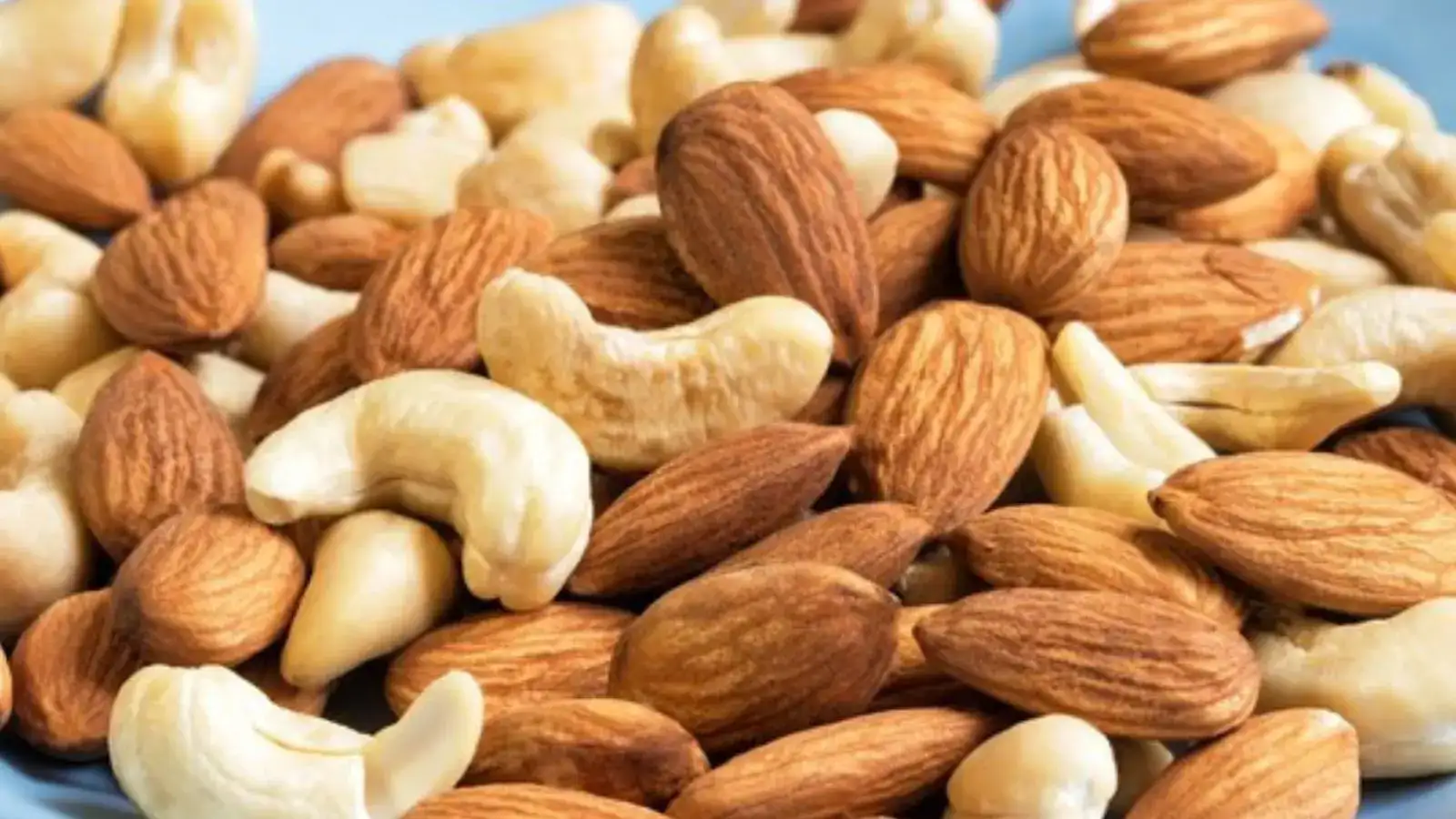
The first is soy-based foods.
Soybeans and their derivatives, like tofu and soy milk, are among the richest plant-based protein sources available. What makes soy particularly important is that it contains all essential amino acids, making it comparable to animal protein in quality. Regular inclusion of soy in meals can significantly improve protein intake without requiring major dietary changes. Despite this, soy is often avoided due to myths or lack of familiarity. In many Indian kitchens, it is still not as widely used as it could be. But nutritionally, it remains one of the most efficient vegetarian protein sources.
The second category is dairy products.
Milk, paneer, and curd are already a part of most Indian diets. What is often overlooked is their protein value. These foods provide a combination of protein and calcium, supporting both muscle health and bone strength. Including them regularly, especially in balanced portions, helps maintain consistent protein intake throughout the day. However, there is a tendency to either over-rely on paneer or consume dairy without considering balance. Moderation and variety are key. Different dairy sources offer slightly different nutritional benefits, and combining them improves overall intake.
The third group is nuts and seeds.
Almonds, walnuts, sunflower seeds, and pumpkin seeds may seem small, but they are dense in both protein and healthy fats. They are also one of the easiest additions to a daily diet. A handful of mixed nuts or seeds can be consumed as a snack or added to meals without much effort. What makes them particularly valuable is convenience. Unlike cooked foods, they do not require preparation and can be carried anywhere. This makes them a practical option for maintaining protein intake throughout the day.
Together, these three categories highlight an important point.
Vegetarian protein is not limited. It is simply distributed across different food groups.
A balanced diet that includes soy products, dairy, and nuts can meet daily protein requirements without the need for supplements or drastic changes. Research also supports that a variety of plant-based foods can provide all essential amino acids when consumed over time.The real challenge lies in consistency. Many diets rely heavily on carbohydrates while underestimating protein intake. Small adjustments, like adding tofu to meals, including curd regularly, or snacking on nuts, can make a significant difference.
In simple terms, the question is not whether vegetarians can get enough protein. It is whether they are choosing the right foods in the right way. When done correctly, a vegetarian diet can be just as protein-rich and nutritionally complete as any other.
There are several vegetarian foods that offer strong protein content, yet they are either underused or not consumed in the right way. Three categories stand out for both accessibility and nutritional value.
The first is soy-based foods.
Soybeans and their derivatives, like tofu and soy milk, are among the richest plant-based protein sources available. What makes soy particularly important is that it contains all essential amino acids, making it comparable to animal protein in quality. Regular inclusion of soy in meals can significantly improve protein intake without requiring major dietary changes. Despite this, soy is often avoided due to myths or lack of familiarity. In many Indian kitchens, it is still not as widely used as it could be. But nutritionally, it remains one of the most efficient vegetarian protein sources.
The second category is dairy products.
Milk, paneer, and curd are already a part of most Indian diets. What is often overlooked is their protein value. These foods provide a combination of protein and calcium, supporting both muscle health and bone strength. Including them regularly, especially in balanced portions, helps maintain consistent protein intake throughout the day. However, there is a tendency to either over-rely on paneer or consume dairy without considering balance. Moderation and variety are key. Different dairy sources offer slightly different nutritional benefits, and combining them improves overall intake.
You may also like
- Mother makes child urinate from a bridge at Baidyanath Dham, viral video sparks debate: What parents should do when kids have urgent needs in public
- Kitchen Cancer Risk: These things kept in the kitchen are inviting cancer; throw them out today itself.
- Oily Hair Problem: Hair becomes oily the very next day after shampooing. This trick will work
- Refreshing Summer Foods to Keep You Cool
- Why Women Don't Feel Cold in Short Clothes During Winter
The third group is nuts and seeds.
Almonds, walnuts, sunflower seeds, and pumpkin seeds may seem small, but they are dense in both protein and healthy fats. They are also one of the easiest additions to a daily diet. A handful of mixed nuts or seeds can be consumed as a snack or added to meals without much effort. What makes them particularly valuable is convenience. Unlike cooked foods, they do not require preparation and can be carried anywhere. This makes them a practical option for maintaining protein intake throughout the day.
Together, these three categories highlight an important point.
Vegetarian protein is not limited. It is simply distributed across different food groups.
A balanced diet that includes soy products, dairy, and nuts can meet daily protein requirements without the need for supplements or drastic changes. Research also supports that a variety of plant-based foods can provide all essential amino acids when consumed over time.The real challenge lies in consistency. Many diets rely heavily on carbohydrates while underestimating protein intake. Small adjustments, like adding tofu to meals, including curd regularly, or snacking on nuts, can make a significant difference.
In simple terms, the question is not whether vegetarians can get enough protein. It is whether they are choosing the right foods in the right way. When done correctly, a vegetarian diet can be just as protein-rich and nutritionally complete as any other.






More from our partners


Loving Newspoint? Download the app now
