
Healthy Skin: 8 Vitamin C Rich Fruits You Can Add to Your Diet

Vitamin C is an important nutrient for maintaining healthy skin. It supports collagen production, helps protect cells from oxidative stress and plays a role in normal wound healing. While skincare products can provide vitamin C directly to the skin, adding vitamin C-rich fruits to your regular diet can also help meet your nutritional needs.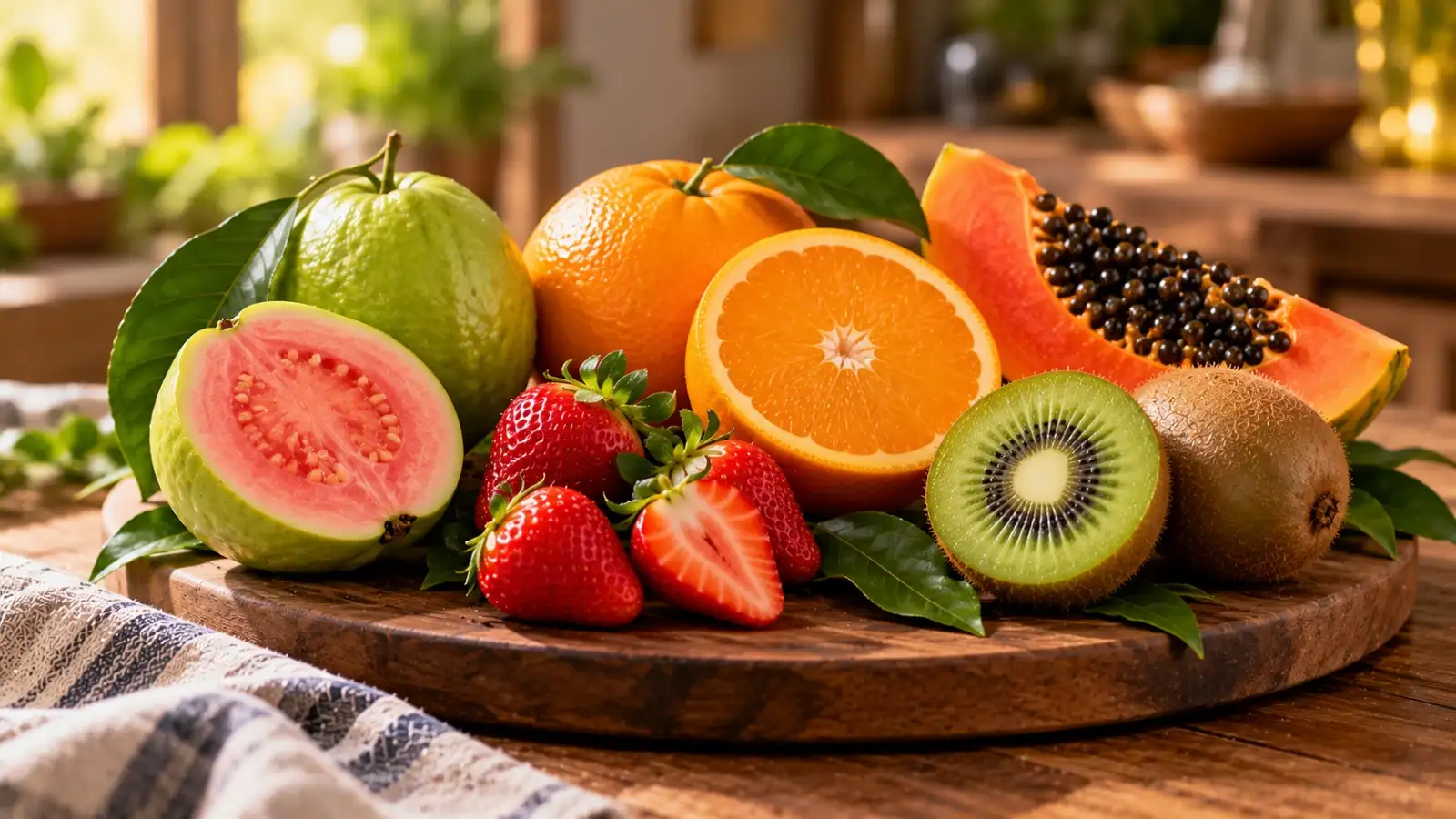
Here are some fruits that are naturally rich in vitamin C and can be included in a balanced diet.
Vitamin C also acts as an antioxidant, helping protect cells from oxidative stress. Getting enough vitamin C through a balanced diet is therefore part of maintaining normal skin and overall health.
It is also worth remembering that healthy-looking skin depends on several factors, including overall nutrition, hydration, sleep, sun protection and skincare habits. Fruits can support nutrition, but they should not be viewed as a quick treatment for specific skin problems.
Disclaimer: This article is for general information purposes only. It is not a substitute for professional medical advice. People with specific skin concerns or medical conditions should consult a qualified healthcare professional before making significant dietary changes.
Here are some fruits that are naturally rich in vitamin C and can be included in a balanced diet.
1. Guava
Guava is one of the richest fruit sources of vitamin C. It can be eaten whole, sliced or added to fruit salads. Its vitamin C content makes it a useful addition to a diet focused on skin and overall health.2. Amla
Indian gooseberry, commonly known as amla, is well known for its high vitamin C content. It can be eaten fresh or included in chutneys and other preparations. Amla also provides other plant compounds that contribute to its nutritional value.3. Orange
Oranges are a familiar source of vitamin C and can be an easy addition to everyday meals. Eating the whole fruit also provides fibre. They can be enjoyed as a snack or added to fruit bowls.4. Kiwi
Kiwi contains a good amount of vitamin C along with fibre and other nutrients. Its refreshing flavour makes it suitable for breakfast, snacks or fruit salads.5. Papaya
Papaya provides vitamin C as well as other nutrients. It can be eaten on its own or combined with other fruits. Including papaya in a varied diet can help increase the intake of essential vitamins and minerals.6. Strawberries
Strawberries are another fruit that provides vitamin C. They can be eaten fresh, added to a fruit bowl or blended into a smoothie. Their naturally sweet flavour also makes them an easy alternative to heavily processed desserts.7. Pineapple
Pineapple contains vitamin C and can add variety to a fruit-rich diet. Fresh pineapple can be eaten as a snack or combined with other fruits for a simple salad.8. Grapefruit
Grapefruit is a citrus fruit that provides vitamin C and can be eaten fresh or added to salads. However, people taking certain medicines should check with their doctor or pharmacist before consuming grapefruit because it can interact with some medications.How Vitamin C Supports Healthy Skin
Vitamin C plays several important roles in the body that are relevant to skin health. It contributes to normal collagen formation, and collagen is an important structural protein found in the skin.Vitamin C also acts as an antioxidant, helping protect cells from oxidative stress. Getting enough vitamin C through a balanced diet is therefore part of maintaining normal skin and overall health.
Add Variety Instead of Relying on One Fruit
No single fruit can provide every nutrient the body needs. Instead of relying only on one vitamin C-rich fruit, include different fruits across the week. Pairing them with vegetables, whole grains, pulses, nuts and other nutritious foods can help create a balanced diet.It is also worth remembering that healthy-looking skin depends on several factors, including overall nutrition, hydration, sleep, sun protection and skincare habits. Fruits can support nutrition, but they should not be viewed as a quick treatment for specific skin problems.
Disclaimer: This article is for general information purposes only. It is not a substitute for professional medical advice. People with specific skin concerns or medical conditions should consult a qualified healthcare professional before making significant dietary changes.
Next Story