
Want a Fresher Bathroom? Simple Ventilation and Cleaning Habits That Can Help Prevent Persistent Damp

Bathrooms can stay damp long after a shower, especially in rooms with limited ventilation. Persistent moisture may encourage mould growth on grout, sealant, ceilings and other surfaces, so it is worth addressing the conditions that allow it to build up. A few everyday habits can help, but they will not solve every underlying problem. Leaks, failed extraction fans or widespread mould may need professional attention. Focus first on ventilation, drying wet surfaces and noticing recurring patches. The goal is to reduce excess moisture while recognising when cleaning alone is not enough.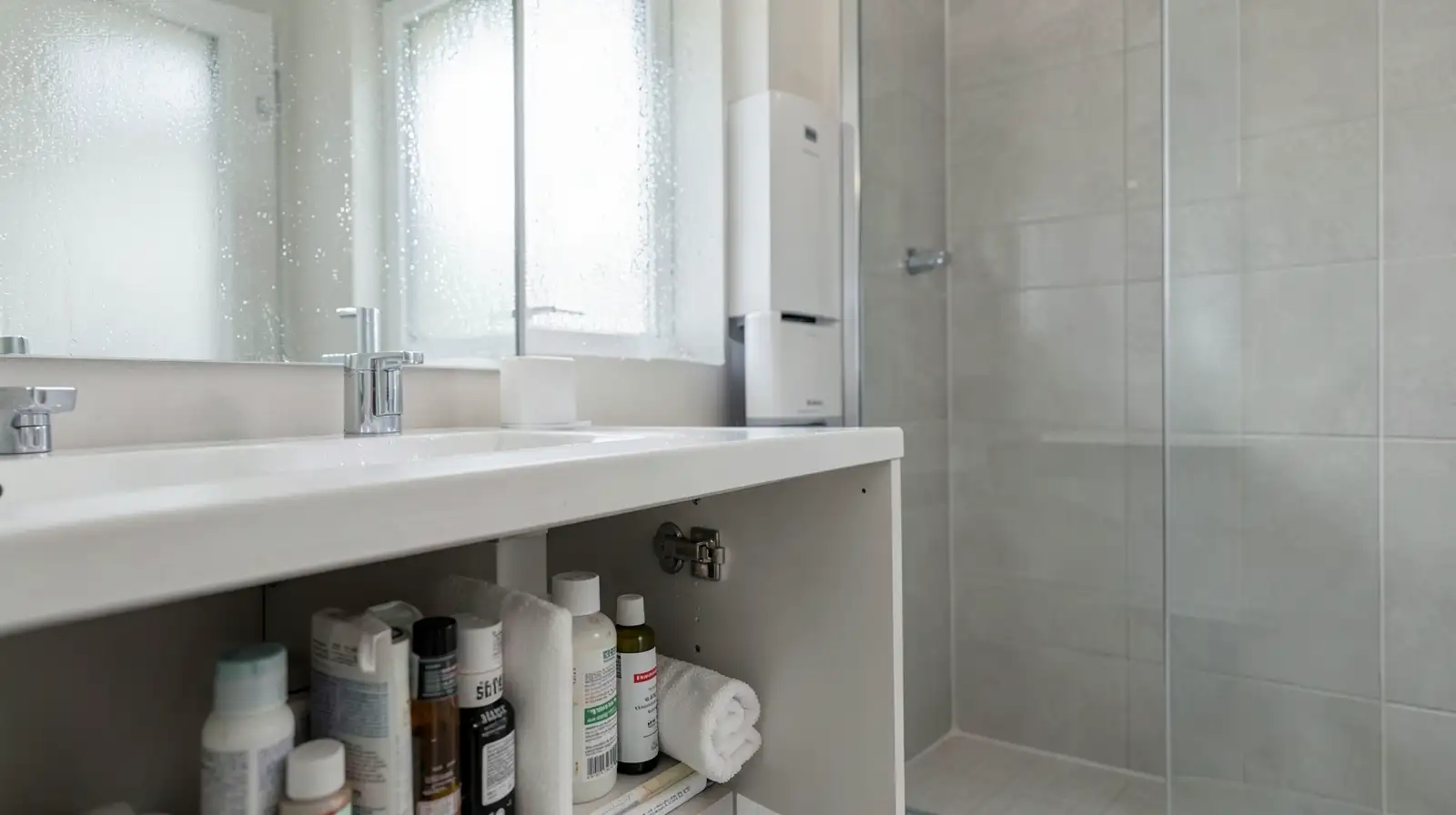
Open windows only when outdoor conditions make that appropriate.
Where suitable, opening a window after bathing can help moisture escape. However, outdoor conditions and the bathroom's design affect how effective this will be. If the room has no adequate ventilation, consider whether an appropriate improvement is needed rather than relying entirely on wiping surfaces.
Check the areas around taps, basins and shower fittings for persistent wetness. Small spills can be wiped away promptly, but recurring damp patches may indicate a leak or failed seal. Do not assume every wet area is caused by condensation.
People with asthma, allergies or other respiratory concerns may be more sensitive to damp and mould. If mould covers a large area, repeatedly returns, or appears linked to hidden water damage, seek professional advice about assessment and remediation.
Avoid disturbing extensive mould unnecessarily, particularly if you do not know what lies behind the surface. Wear appropriate protection if cleaning a small affected area in line with product guidance, and keep children and pets away from cleaning products.
If damp persists despite sensible ventilation and drying, investigate the cause instead of buying more fragrances or cleaning products. A bathroom that stays dry between uses is easier to maintain and less likely to develop recurring moisture-related problems.
Open windows only when outdoor conditions make that appropriate.
Improve ventilation after bathing
If your bathroom has an extraction fan, use it according to the manufacturer's guidance. Keep it clean and check that it appears to be working properly. A fan that makes unusual noises or seems ineffective may need maintenance or professional assessment.Where suitable, opening a window after bathing can help moisture escape. However, outdoor conditions and the bathroom's design affect how effective this will be. If the room has no adequate ventilation, consider whether an appropriate improvement is needed rather than relying entirely on wiping surfaces.
Dry surfaces and manage everyday moisture
Use a squeegee or suitable cloth to remove excess water from shower screens and tiled surfaces. Hang damp towels so that air can circulate around them rather than leaving them in a heap. Spread out bath mats to help them dry between uses.Check the areas around taps, basins and shower fittings for persistent wetness. Small spills can be wiped away promptly, but recurring damp patches may indicate a leak or failed seal. Do not assume every wet area is caused by condensation.
Recognise mould and take sensible precautions
Mould may appear as dark or discoloured patches, often in corners, on grout or around windows. Addressing the moisture source is important because cleaning alone may not prevent it from returning. Follow product instructions when using a suitable cleaner, ventilate the area and avoid mixing chemicals.People with asthma, allergies or other respiratory concerns may be more sensitive to damp and mould. If mould covers a large area, repeatedly returns, or appears linked to hidden water damage, seek professional advice about assessment and remediation.
Avoid disturbing extensive mould unnecessarily, particularly if you do not know what lies behind the surface. Wear appropriate protection if cleaning a small affected area in line with product guidance, and keep children and pets away from cleaning products.
Make moisture checks part of home care
A quick inspection each week can help you spot failed sealant, blocked ventilation or a persistent leak before damage becomes more extensive. Keep an eye on ceilings, wall corners and areas around plumbing.If damp persists despite sensible ventilation and drying, investigate the cause instead of buying more fragrances or cleaning products. A bathroom that stays dry between uses is easier to maintain and less likely to develop recurring moisture-related problems.
Next Story