
Want More Greenery at Home? Choose Indoor Plants That Match Your Light, Space and Daily Routine

Indoor plants can bring greenery into a room, but choosing them for appearance can lead to disappointment. Light levels, watering habits, room temperature and available space all affect whether a plant will thrive. Beginners often do better with one or two suitable plants than with a collection that needs constant attention.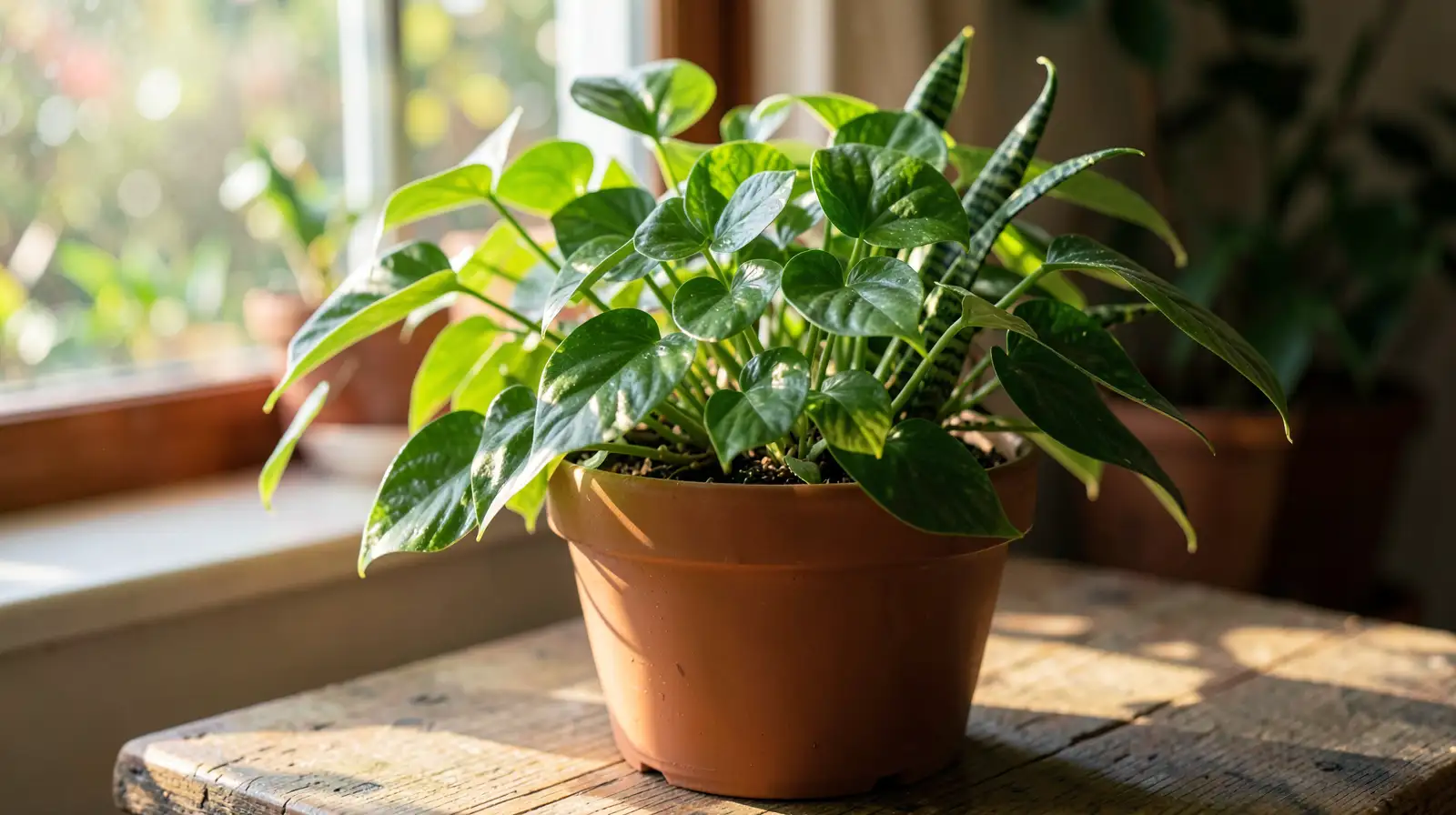
Before buying anything, observe where sunlight falls and how quickly the soil dries. A plant labelled easy-care needs appropriate conditions, and no watering schedule works for every home. Matching the plant to the room is more effective than trying to force a plant to grow in an unsuitable spot.
Choose a plant whose light requirements suit those conditions. Some varieties tolerate lower light, but that does not mean they can grow without adequate light altogether. If a plant becomes leggy, loses leaves or stops growing, review its conditions before adding fertiliser or moving it repeatedly.
Check the soil before watering. The surface may dry while the lower layers remain damp, so a fixed daily schedule can lead to overwatering. Different plants and pot sizes have different needs. Water thoroughly when appropriate, then allow excess water to drain away.
If you have pets or young children, check whether a plant is toxic before bringing it home. Keep potentially harmful varieties out of reach, remembering that some animals can access shelves and windowsills more easily than expected. Choose a safer alternative if you cannot provide a suitable location.
Start with a small number of plants and learn their individual needs. Keep notes if you find it helpful, but do not turn plant care into a rigid timetable. Healthy growth depends on suitable conditions, observation and occasional adjustment. A plant that thrives in one home may struggle in another, even when both owners follow similar routines.
Before buying anything, observe where sunlight falls and how quickly the soil dries. A plant labelled easy-care needs appropriate conditions, and no watering schedule works for every home. Matching the plant to the room is more effective than trying to force a plant to grow in an unsuitable spot.
Match the plant to the light
Observe your intended location at different times of day. A bright windowsill may receive direct sunlight, while a shelf several metres away may get much less. Light can also change with the season, so assess the space rather than assuming a room is bright simply because it has windows.Choose a plant whose light requirements suit those conditions. Some varieties tolerate lower light, but that does not mean they can grow without adequate light altogether. If a plant becomes leggy, loses leaves or stops growing, review its conditions before adding fertiliser or moving it repeatedly.
Choose a suitable pot and watering routine
A container with drainage holes allows excess water to escape, helping reduce the risk of waterlogged roots. Place a suitable saucer underneath if needed, but empty standing water rather than letting the pot sit in it continuously. Use a potting mix appropriate for the plant instead of relying on ordinary garden soil.Check the soil before watering. The surface may dry while the lower layers remain damp, so a fixed daily schedule can lead to overwatering. Different plants and pot sizes have different needs. Water thoroughly when appropriate, then allow excess water to drain away.
Keep care simple and observe changes
Remove dead leaves and check plants regularly for pests, discolouration or unusual growth. Wipe dust from leaves gently when needed, taking care with delicate foliage. Avoid adding fertiliser excessively; follow the product instructions and consider whether the plant is actively growing before using it.If you have pets or young children, check whether a plant is toxic before bringing it home. Keep potentially harmful varieties out of reach, remembering that some animals can access shelves and windowsills more easily than expected. Choose a safer alternative if you cannot provide a suitable location.
Start with a small number of plants and learn their individual needs. Keep notes if you find it helpful, but do not turn plant care into a rigid timetable. Healthy growth depends on suitable conditions, observation and occasional adjustment. A plant that thrives in one home may struggle in another, even when both owners follow similar routines.
Next Story