
Want to Keep Your Pet Healthy and Happy? Follow These 8 Simple Care Tips

Bringing a pet home comes with more than companionship and playful moments. It also means taking responsibility for their health, comfort and everyday needs. Whether you have a dog, cat or another domestic animal, proper care involves providing suitable food, maintaining hygiene and creating a safe environment. Small habits, such as regular grooming, daily activity and routine veterinary visits, can make a meaningful difference to a pet's well-being. If you want to become a more responsible pet parent, here are eight practical pet care tips worth including in your daily routine.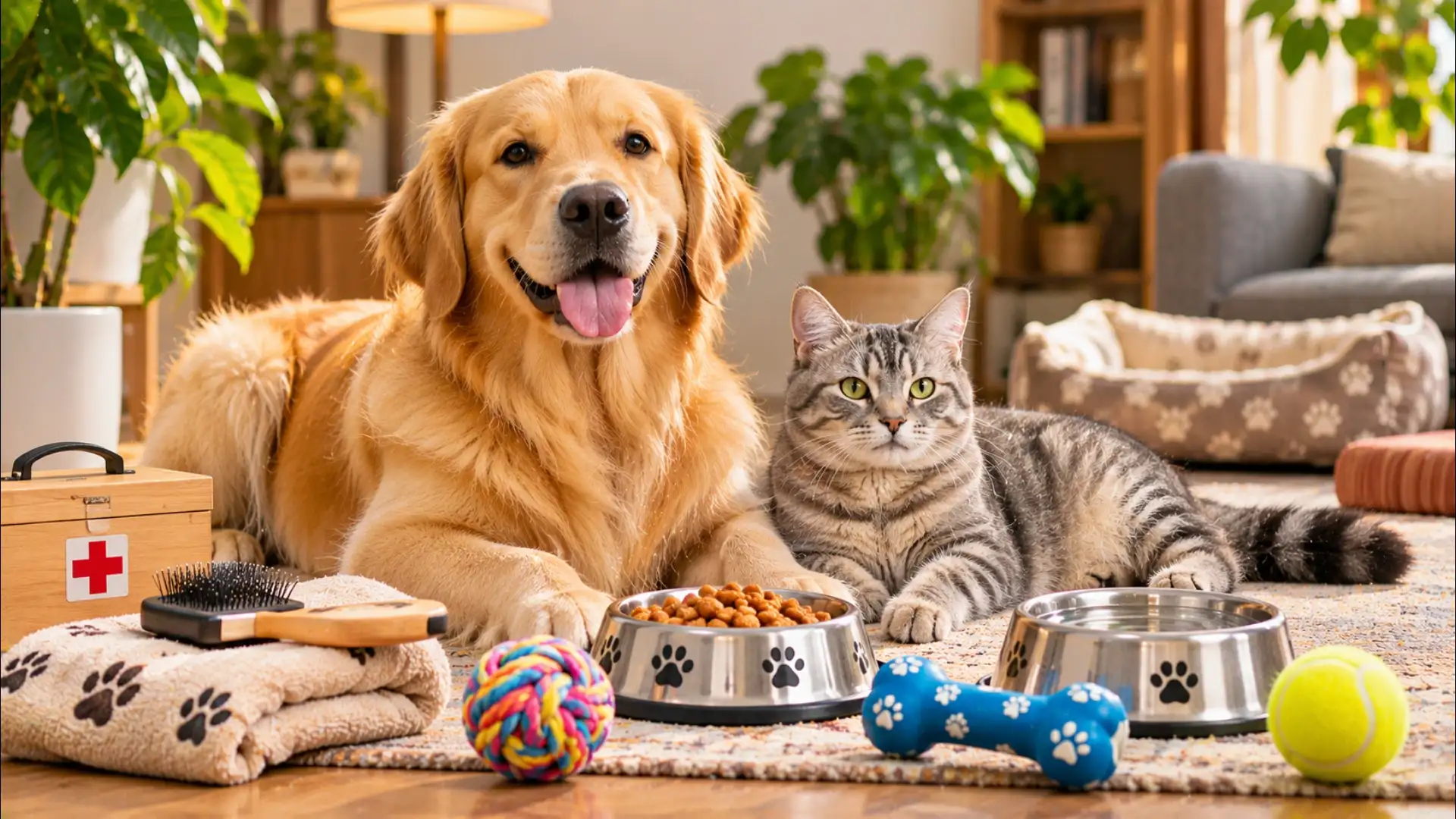
1. Provide a Balanced and Suitable Diet
Food plays an important role in your pet's overall health. Choose nutritionally complete food appropriate for the animal's species, age, size and activity level. Avoid feeding pets human foods without checking whether they are safe. Dogs and cats, for example, have different nutritional requirements. Consult a veterinarian if you are unsure about portion sizes or dietary needs.2. Keep Fresh Drinking Water Available
Pets need constant access to clean drinking water. Wash their bowls regularly and refill them with fresh water throughout the day. During warmer weather or after physical activity, check that they are drinking enough. Cats that prefer running water may also enjoy a properly maintained pet water fountain.3. Maintain a Regular Grooming Routine
Brushing helps remove loose fur, reduce tangles and keep your pet's coat in good condition. The frequency depends on the animal and its coat type. Check their ears, paws, nails and skin regularly. Use grooming tools designed for pets and seek professional help if you notice unusual skin problems.4. Make Time for Daily Exercise and Play
Physical activity helps pets stay active and provides mental stimulation. Dogs may enjoy walks, games of fetch and supervised outdoor exploration, while cats often benefit from interactive toys, climbing spaces and short play sessions. Adjust activities according to your pet's age, health and energy levels.5. Schedule Regular Veterinary Check-ups
Routine veterinary visits can help monitor your pet's health and identify potential problems early. Keep vaccinations, parasite prevention and other recommended treatments up to date. Do not ignore changes in appetite, behaviour, energy levels or bathroom habits, as these may indicate an underlying concern.6. Keep Their Living Space Clean
Wash food and water bowls, clean bedding and regularly remove waste from litter boxes or designated areas. A clean environment can help reduce unpleasant smells and limit the build-up of dirt and germs. Use cleaning products that are safe for animals and keep them away from pets.7. Give Them Attention and Mental Stimulation
Pets need more than food and shelter. Spend time interacting with them through play, training and gentle companionship. Puzzle feeders, toys and simple training activities can provide mental stimulation. Avoid leaving pets alone for longer than is appropriate for their individual needs.8. Make Your Home Pet-Friendly
Keep medicines, cleaning products, electrical wires, sharp objects and toxic plants out of reach. Secure balconies, windows and gates where necessary. Provide a comfortable resting space where your pet can relax without disturbance.Responsible Pet Care Starts With Consistency
Caring for a pet is a long-term commitment that involves patience, attention and regular effort. Providing suitable nutrition, maintaining hygiene, encouraging activity and arranging veterinary care can support their overall well-being. Pay attention to your pet's individual behaviour and needs, and seek professional advice whenever something seems unusual. A safe and caring home helps pets feel secure and become happy companions.Next Story