
Want to Walk More Every Day? Build a Realistic Routine That Fits Around Your Work and Family Commitments

Walking is an accessible way to add movement to life, and it can be adapted to different schedules and fitness levels. Some people prefer a morning stroll, while others fit short walks around lunch or after work. The useful routine is one that feels manageable enough to repeat.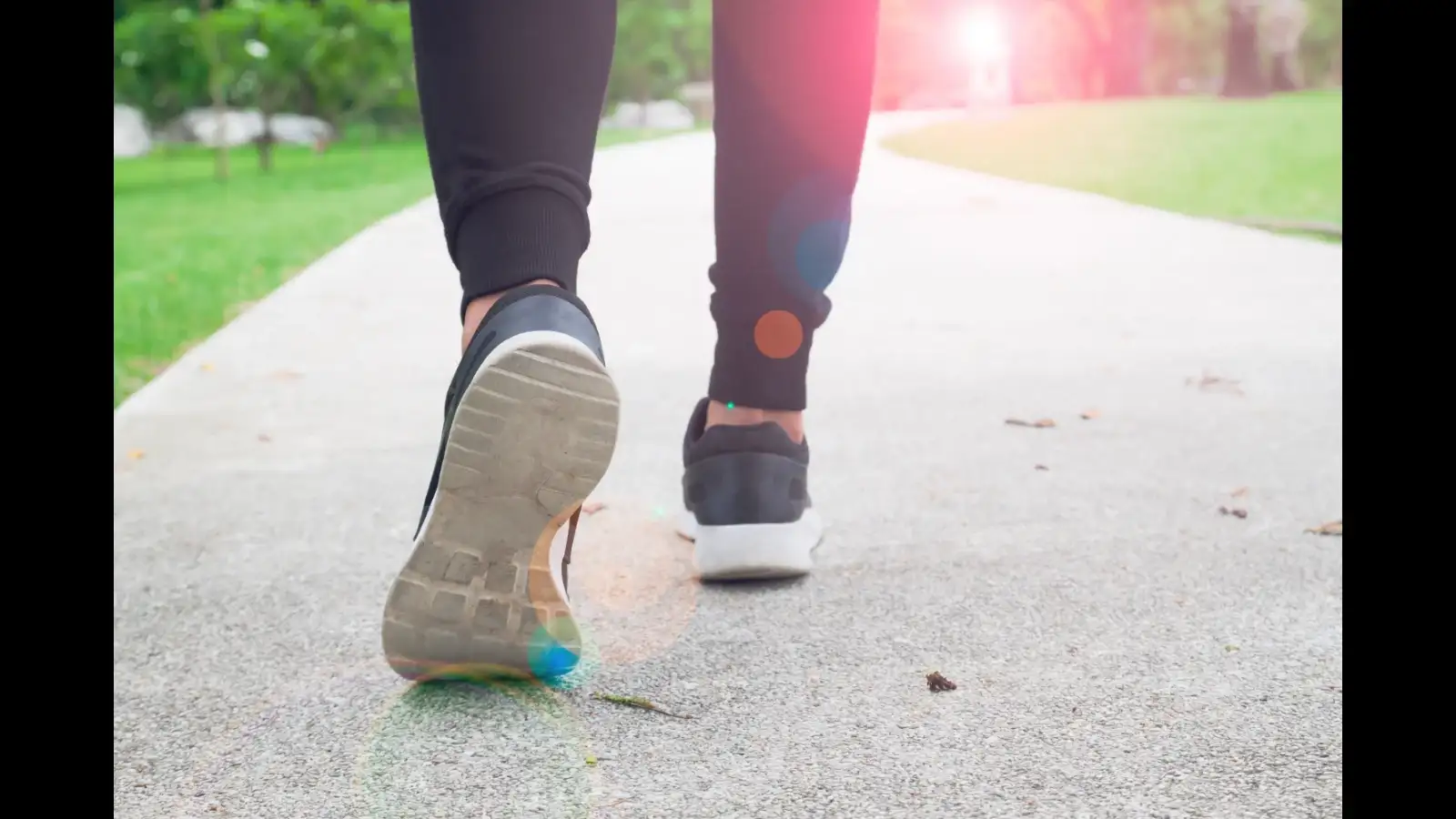
There is no single pace or duration that suits everyone. Activity levels, health, mobility and weather all matter, so begin conservatively if you have been inactive. Comfortable footwear, safe routes and gradual increases can make walking easier to maintain. People with medical concerns should seek tailored advice before making changes to activity.
Choose a time that fits your day. Walking to a nearby shop, taking a short break during work or strolling after dinner can make movement part of an existing routine. You do not need to complete every walk in one session; smaller periods of activity can also contribute to your overall movement.
Select routes with safe crossings, usable pavements and adequate lighting where possible. If you walk in the dark, wear clothing that helps others see you and remain alert around traffic. For unfamiliar areas, check the route beforehand and tell someone your plans if the walk is remote or lengthy.
Notice how you feel during and after a walk. Stop if you experience concerning symptoms such as chest pain, faintness or unusual severe breathlessness, and seek appropriate medical help. Anyone with a chronic condition, mobility limitation or concern about starting exercise should ask a healthcare professional for personalised guidance.
A useful walking routine should fit your life rather than compete with it. Track your walks if that motivates you, but do not treat missed days as failure. Return to the habit when you can, and make changes based on comfort, safety and your longer-term goals.
There is no single pace or duration that suits everyone. Activity levels, health, mobility and weather all matter, so begin conservatively if you have been inactive. Comfortable footwear, safe routes and gradual increases can make walking easier to maintain. People with medical concerns should seek tailored advice before making changes to activity.
Start with a realistic target
If you have not been active recently, begin with a short walk that feels comfortable rather than aiming immediately for a demanding distance. A ten-minute walk may be a practical starting point for some people, while others may need less or can manage more. Let your current ability guide the plan.Choose a time that fits your day. Walking to a nearby shop, taking a short break during work or strolling after dinner can make movement part of an existing routine. You do not need to complete every walk in one session; smaller periods of activity can also contribute to your overall movement.
Make walking comfortable and safe
Wear footwear that fits properly and feels comfortable over the distance you intend to cover. Choose clothing suitable for the weather and carry water when conditions or the length of the walk make it sensible. In hot weather, consider cooler times of day and protect yourself from the sun.Select routes with safe crossings, usable pavements and adequate lighting where possible. If you walk in the dark, wear clothing that helps others see you and remain alert around traffic. For unfamiliar areas, check the route beforehand and tell someone your plans if the walk is remote or lengthy.
Build consistency without overdoing it
Increase walking time or distance gradually as the activity becomes more comfortable. Trying to make a large jump in effort can leave you sore or discouraged. Rest when needed, and adjust the plan during extreme weather, illness or unusually busy periods rather than abandoning the habit altogether.Notice how you feel during and after a walk. Stop if you experience concerning symptoms such as chest pain, faintness or unusual severe breathlessness, and seek appropriate medical help. Anyone with a chronic condition, mobility limitation or concern about starting exercise should ask a healthcare professional for personalised guidance.
A useful walking routine should fit your life rather than compete with it. Track your walks if that motivates you, but do not treat missed days as failure. Return to the habit when you can, and make changes based on comfort, safety and your longer-term goals.
Next Story