
Wartime Foods: 8 Dishes and Drinks That Became Popular During the World Wars

How Wartime Foods Shaped Everyday Diets: Wartime foods played a crucial role during the difficult years of the World Wars, when global supply chains collapsed and food shortages became widespread. Governments imposed rationing, crops were destroyed, and communities had to rely on simple, affordable and long-lasting meals. As a result, several practical dishes and food innovations emerged during this period. Many of these wartime foods not only helped people survive the crisis but also became permanent staples in modern diets around the world.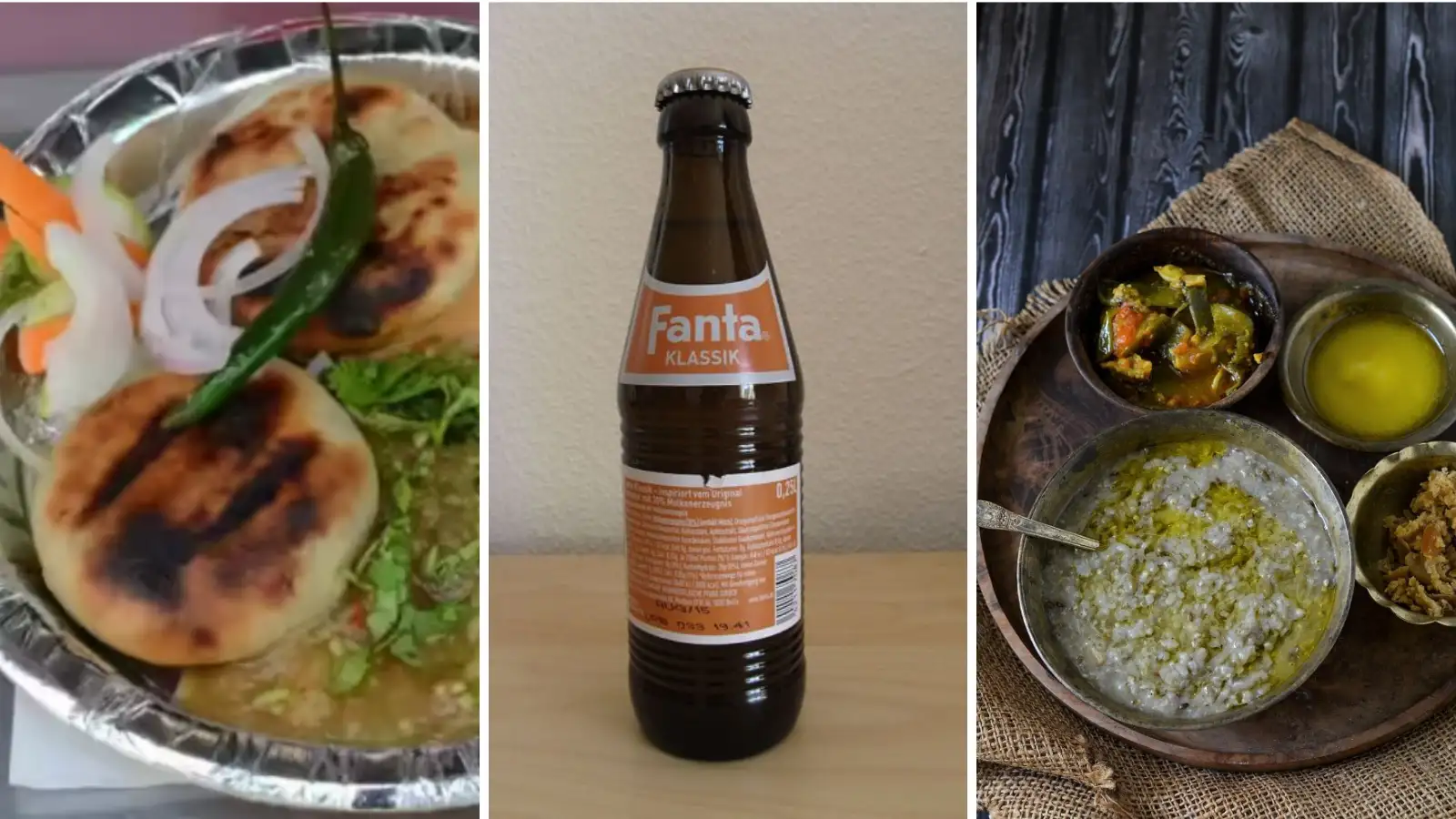
Below are eight foods and beverages that rose to prominence during wartime and continue to influence eating habits even today.
1. Bajra Khichdi : A Nutritious Millet Meal for Tough Times
During periods of war and scarcity, hardy crops such as bajra (pearl millet) became extremely important. Bajra could grow in harsh conditions where other grains often failed.
Bajra khichdi, prepared by cooking millet with lentils and simple spices, offered a wholesome and filling meal. Rich in nutrients and easy to prepare, it became a dependable source of energy for soldiers and rural communities facing food shortages.
2. Litti Chokha: A Portable Wartime Meal from Eastern India
Litti chokha, popular in Bihar and eastern Uttar Pradesh, proved to be an ideal wartime food. The dish consists of wheat dough balls stuffed with roasted gram flour and spices, traditionally baked over open flames without the need for oil.
Because litti could stay fresh for several days and was easy to carry, it became a convenient meal for soldiers. When paired with chokha - a mashed mixture of vegetables like potatoes, eggplant or tomatoes - it provided both nourishment and flavour.
3. Cheetos: A Snack Inspired by Wartime Food Innovations
The development of processed cheese during wartime led to new preservation techniques. Scientists working on military food supplies created dehydrated cheese powder, which could be stored for long periods.
After World War II, the surplus cheese powder inspired the creation of cheesy corn-based snacks. This eventually paved the way for the popular crunchy snack now known as Cheetos, which became widely loved across the world.
4. Chapati: A Simple Bread That Sustained Millions
Chapati, a flatbread made from wheat flour, became especially important during wartime because of its simplicity. It required only basic ingredients and could be cooked quickly on a griddle.
Its light weight and versatility made chapati easy to transport and pair with various dishes. For soldiers and civilians alike, it served as a dependable staple during uncertain times.
5. Fanta: A Soft Drink Born Out of Wartime Restrictions
The soft drink Fanta has its origins in World War II. When trade restrictions prevented the shipment of Coca-Cola syrup to Germany, the local branch had to find an alternative to keep production running.
Using whatever ingredients were available, such as fruit by-products and whey, a new fizzy beverage was created. The improvised drink eventually evolved into the globally recognised soft drink known today.
6. Sattu: The Instant Energy Food of Wartime
Sattu, made from roasted gram flour, became a vital food during periods of scarcity. One of its biggest advantages was that it required no cooking.
People could simply mix sattu with water, jaggery or salt to create an instant meal. Because it was lightweight, protein-rich and easy to store, it served as a reliable source of nutrition for soldiers and travellers during wartime journeys.
7. Frozen and Canned Foods: Wartime Innovations That Changed Food Storage
The need to supply troops across distant battlefields accelerated the development of canned and preserved foods. Metal containers helped protect food from spoilage and allowed it to be stored and transported safely over long distances.
These preservation methods ensured soldiers had dependable rations. After the wars ended, frozen and canned foods quickly became common in households, transforming modern food storage and convenience cooking.
8. Curd Rice: A Cooling and Easy-to-Carry Meal
In southern India, curd rice became a practical meal during difficult times. This simple combination of rice and yoghurt offered a soothing and easily digestible dish.
Often wrapped in banana leaves for easy transport, curd rice was convenient for soldiers and travellers. Its probiotic benefits and refreshing taste made it an ideal option when resources were limited.
From Survival Foods to Everyday Favourites
Many wartime foods were created out of necessity, shaped by shortages and limited resources during the World Wars. What began as survival meals later became beloved dishes and everyday staples across cultures.
From traditional meals like litti chokha and sattu to modern innovations such as processed snacks and canned foods, these creations highlight how adversity often drives culinary creativity that lasts for generations.
Below are eight foods and beverages that rose to prominence during wartime and continue to influence eating habits even today.
1. Bajra Khichdi : A Nutritious Millet Meal for Tough Times
During periods of war and scarcity, hardy crops such as bajra (pearl millet) became extremely important. Bajra could grow in harsh conditions where other grains often failed.
Bajra khichdi, prepared by cooking millet with lentils and simple spices, offered a wholesome and filling meal. Rich in nutrients and easy to prepare, it became a dependable source of energy for soldiers and rural communities facing food shortages.
2. Litti Chokha: A Portable Wartime Meal from Eastern India
Litti chokha, popular in Bihar and eastern Uttar Pradesh, proved to be an ideal wartime food. The dish consists of wheat dough balls stuffed with roasted gram flour and spices, traditionally baked over open flames without the need for oil.
Because litti could stay fresh for several days and was easy to carry, it became a convenient meal for soldiers. When paired with chokha - a mashed mixture of vegetables like potatoes, eggplant or tomatoes - it provided both nourishment and flavour.
3. Cheetos: A Snack Inspired by Wartime Food Innovations
The development of processed cheese during wartime led to new preservation techniques. Scientists working on military food supplies created dehydrated cheese powder, which could be stored for long periods.
After World War II, the surplus cheese powder inspired the creation of cheesy corn-based snacks. This eventually paved the way for the popular crunchy snack now known as Cheetos, which became widely loved across the world.
4. Chapati: A Simple Bread That Sustained Millions
Chapati, a flatbread made from wheat flour, became especially important during wartime because of its simplicity. It required only basic ingredients and could be cooked quickly on a griddle.
Its light weight and versatility made chapati easy to transport and pair with various dishes. For soldiers and civilians alike, it served as a dependable staple during uncertain times.
5. Fanta: A Soft Drink Born Out of Wartime Restrictions
The soft drink Fanta has its origins in World War II. When trade restrictions prevented the shipment of Coca-Cola syrup to Germany, the local branch had to find an alternative to keep production running.
Using whatever ingredients were available, such as fruit by-products and whey, a new fizzy beverage was created. The improvised drink eventually evolved into the globally recognised soft drink known today.
6. Sattu: The Instant Energy Food of Wartime
Sattu, made from roasted gram flour, became a vital food during periods of scarcity. One of its biggest advantages was that it required no cooking.
People could simply mix sattu with water, jaggery or salt to create an instant meal. Because it was lightweight, protein-rich and easy to store, it served as a reliable source of nutrition for soldiers and travellers during wartime journeys.
7. Frozen and Canned Foods: Wartime Innovations That Changed Food Storage
The need to supply troops across distant battlefields accelerated the development of canned and preserved foods. Metal containers helped protect food from spoilage and allowed it to be stored and transported safely over long distances.
These preservation methods ensured soldiers had dependable rations. After the wars ended, frozen and canned foods quickly became common in households, transforming modern food storage and convenience cooking.
8. Curd Rice: A Cooling and Easy-to-Carry Meal
In southern India, curd rice became a practical meal during difficult times. This simple combination of rice and yoghurt offered a soothing and easily digestible dish.
Often wrapped in banana leaves for easy transport, curd rice was convenient for soldiers and travellers. Its probiotic benefits and refreshing taste made it an ideal option when resources were limited.
From Survival Foods to Everyday Favourites
Many wartime foods were created out of necessity, shaped by shortages and limited resources during the World Wars. What began as survival meals later became beloved dishes and everyday staples across cultures.
From traditional meals like litti chokha and sattu to modern innovations such as processed snacks and canned foods, these creations highlight how adversity often drives culinary creativity that lasts for generations.
Next Story