
Gardening Tips: 5 Simple Ways To Care For Flowering Plants

A plant may have healthy green leaves but still struggle to produce flowers. In many cases, the problem is not complicated. Flowering plants need the right balance of sunlight, water, nutrients and regular maintenance to grow well and bloom.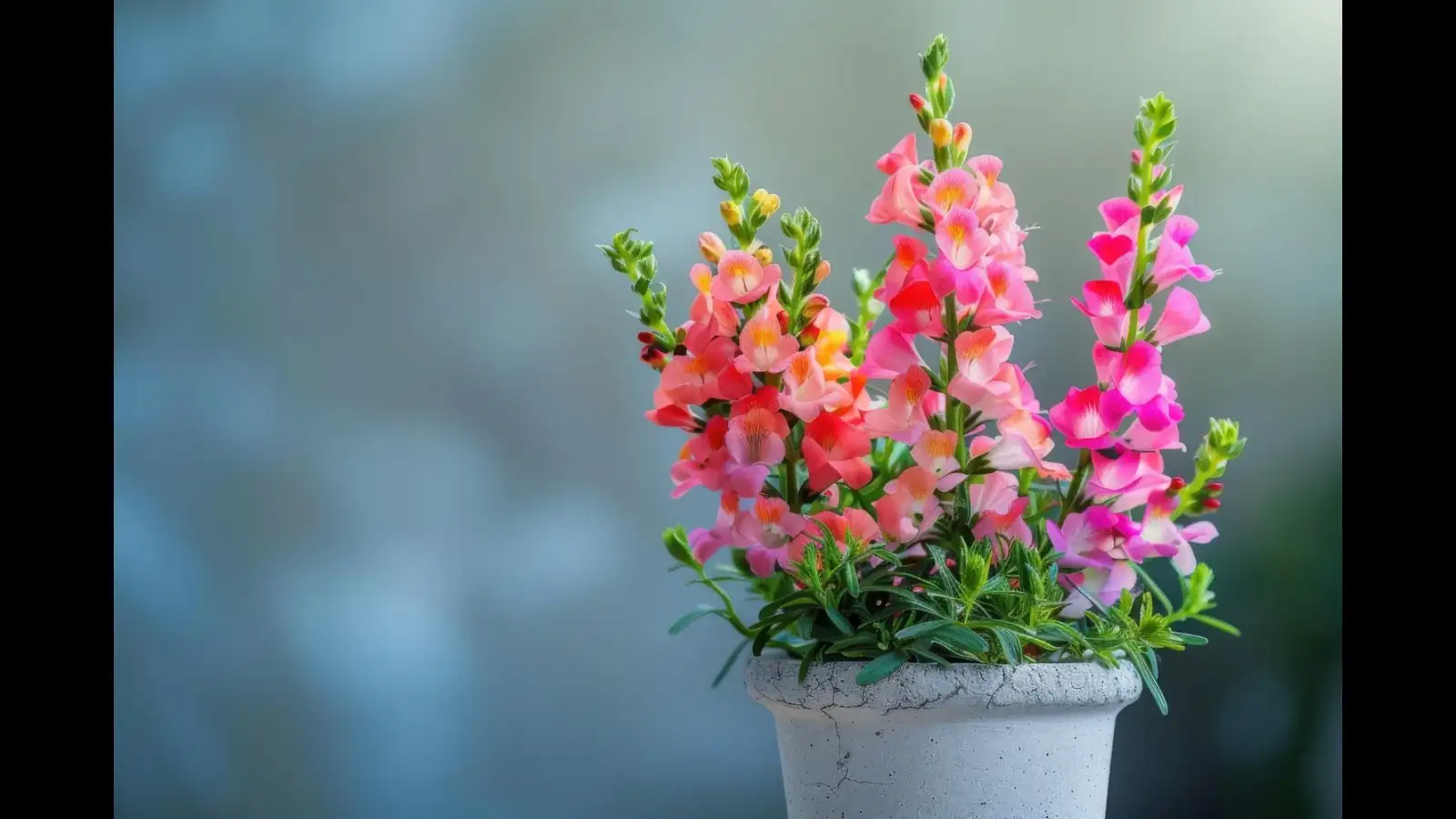
Whether you are growing flowering plants in pots, containers or garden beds, paying attention to a few basic requirements can help keep them healthy. Here are five simple ways to care for flowering plants and encourage better blooming.
Place sun-loving plants where they can receive adequate direct sunlight. Plants that prefer partial shade should be protected from harsh afternoon heat.
If a plant is growing weakly, producing fewer flowers or becoming unusually tall and thin, insufficient light could be one factor.
If the top layer of soil feels dry, the plant may need watering. Water thoroughly so that moisture reaches the roots, but make sure excess water can drain away.
For potted plants, drainage holes are particularly important. Constantly waterlogged soil can damage roots and affect overall plant growth.
Avoid using more fertiliser than recommended. Excess fertiliser can cause problems instead of encouraging healthy growth.
Compost or well-decomposed organic matter can also be incorporated into soil where appropriate to improve its quality.
Use clean, sharp scissors or pruning tools where needed. Remove only the faded flower and the appropriate part of its stem, depending on the plant.
Since not every flowering plant responds to deadheading in the same way, check the specific care requirements before pruning.
Remove badly damaged leaves when appropriate and address pest problems according to the plant's needs. Also keep fallen leaves and dead plant material from building up around the plant.
Good airflow, suitable watering and clean growing conditions can support healthier plants.
With the right care routine, your flowering plants can stay healthier and make your garden, balcony or terrace look brighter throughout the growing season.
Whether you are growing flowering plants in pots, containers or garden beds, paying attention to a few basic requirements can help keep them healthy. Here are five simple ways to care for flowering plants and encourage better blooming.
1. Give Them Enough Sunlight
Sunlight plays an important role in flowering. Many flowering plants need several hours of bright light each day, although the exact requirement varies from plant to plant.Place sun-loving plants where they can receive adequate direct sunlight. Plants that prefer partial shade should be protected from harsh afternoon heat.
If a plant is growing weakly, producing fewer flowers or becoming unusually tall and thin, insufficient light could be one factor.
2. Water Without Overdoing It
Both too much and too little water can affect plant health. Instead of watering on a fixed schedule, check the soil first.If the top layer of soil feels dry, the plant may need watering. Water thoroughly so that moisture reaches the roots, but make sure excess water can drain away.
For potted plants, drainage holes are particularly important. Constantly waterlogged soil can damage roots and affect overall plant growth.
3. Feed Plants With Suitable Nutrients
Flowering plants need nutrients to support leaves, stems, roots and flowers. A suitable plant fertiliser can be added according to the requirements of the particular plant and the instructions on the product.You may also like
Avoid using more fertiliser than recommended. Excess fertiliser can cause problems instead of encouraging healthy growth.
Compost or well-decomposed organic matter can also be incorporated into soil where appropriate to improve its quality.
4. Remove Faded Flowers
Regularly removing spent or faded flowers can help keep the plant looking neat. For some flowering plants, deadheading can also encourage the plant to put energy into producing additional flowers rather than developing seeds.Use clean, sharp scissors or pruning tools where needed. Remove only the faded flower and the appropriate part of its stem, depending on the plant.
Since not every flowering plant responds to deadheading in the same way, check the specific care requirements before pruning.
5. Keep Checking For Pests And Problems
A quick inspection every few days can help you notice problems early. Look at both sides of leaves, stems and new growth for signs of insects, spots, wilting or unusual discolouration.Remove badly damaged leaves when appropriate and address pest problems according to the plant's needs. Also keep fallen leaves and dead plant material from building up around the plant.
Good airflow, suitable watering and clean growing conditions can support healthier plants.
Small Care Habits Can Make A Difference
Getting flowering plants to bloom well is not always about doing more. Consistent care is often more important. Give each plant the amount of sunlight it needs, water according to soil conditions, provide suitable nutrients and regularly remove faded flowers and damaged growth.With the right care routine, your flowering plants can stay healthier and make your garden, balcony or terrace look brighter throughout the growing season.






Loving Newspoint? Download the app now
