
10 Simple Ways to Keep Your Home Warm Without Increasing Your Electricity Bill

As temperatures drop during winter, keeping your home warm and comfortable can become a challenge. Running heaters and other electrical appliances for long hours may increase your electricity bill. However, a few simple changes around the house can help retain indoor heat and make your rooms feel warmer without spending extra on electricity.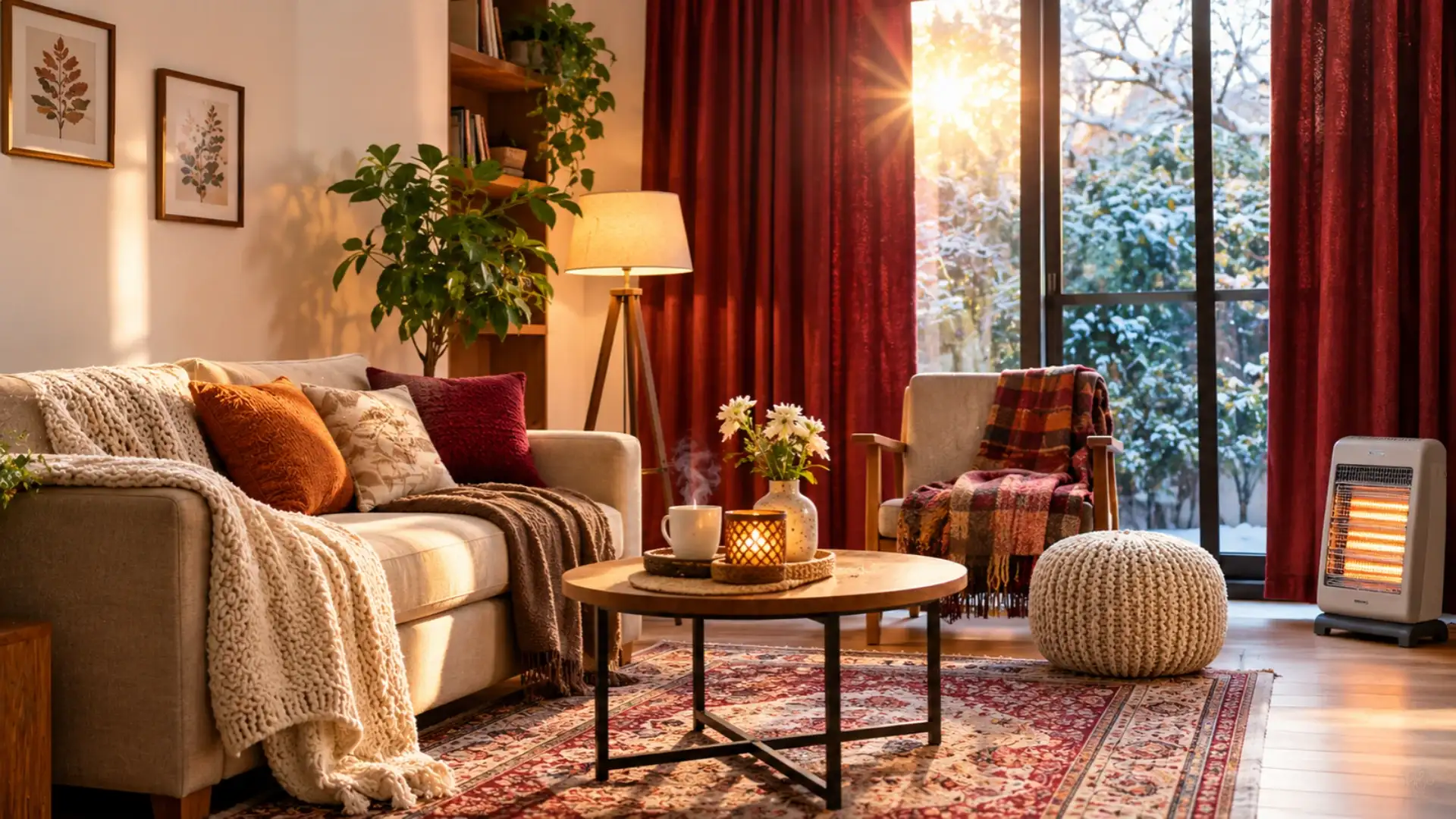
Here are 10 practical ways to keep your home warm this winter.
Here are 10 practical ways to keep your home warm this winter.
1. Use Thick Curtains to Block Cold Air
Thin curtains may not provide enough insulation against chilly weather. Switch to thick, thermal or blackout curtains to reduce heat loss through windows. Keep them closed during the night to prevent cold air from making the room uncomfortable. During sunny hours, open them to let natural warmth enter.2. Seal Gaps Around Doors and Windows
Small gaps around doors and windows can allow cold air to enter your home. Check for spaces around window frames, door edges and other openings. Use weatherstripping, door sweeps or draft stoppers to block these gaps. This simple step can help maintain a more comfortable indoor temperature.3. Place Rugs and Carpets on Cold Floors
Tile and marble floors can feel particularly cold during winter. Covering them with rugs or carpets can make rooms feel warmer and more comfortable underfoot. Focus on areas where you spend the most time, such as the bedroom, living room and spaces near your sofa or bed.4. Make the Most of Natural Sunlight
Sunlight is a free source of warmth during winter. Keep curtains and blinds open during sunny hours, especially on windows that receive direct sunlight. Allow the warmth to enter your rooms, but remember to close the curtains once the sun sets to help retain the heat.5. Rearrange Furniture Away From Cold Walls
Furniture placed directly against exterior walls or near drafty windows can make certain areas feel colder. Try moving your bed, sofa and frequently used chairs slightly away from these spots. Also, avoid blocking radiators or other heating sources if you use them, so warm air can circulate properly.6. Use Door Draft Stoppers
Cold air can travel between rooms through the gaps beneath doors. Door draft stoppers are an affordable way to reduce these drafts. You can also use a tightly rolled towel as a temporary solution. Pay particular attention to doors leading to balconies, corridors and less-used rooms.7. Close Doors to Rooms You Do Not Use
Keeping every room open can allow cold air to circulate throughout the house. Close the doors of unused rooms to help maintain warmth in the spaces where you spend most of your time. This can also make it easier to manage indoor temperatures without relying heavily on heaters.8. Add Warm Layers to Your Bedding
Instead of increasing the room temperature at night, make your bed more comfortable with extra blankets, warm comforters and flannel bedsheets. Layering your bedding can help you stay cosy while sleeping. You can also use a hot water bottle, following its safety instructions, to warm your bed before getting in.9. Keep Windows and Doors Closed During Cold Hours
Even small openings can let warm indoor air escape. Keep windows and balcony doors closed during early mornings, late evenings and nights when temperatures are low. If you need fresh air, ventilate your home briefly during the warmer part of the day.10. Check Your Ceiling Fans
If your ceiling fan has a reverse or winter mode, use it at a low speed to gently circulate warm air that collects near the ceiling. Not all fans have this feature, so check the manufacturer's instructions before changing the direction. Avoid running the fan at high speed, as it may make the room feel cooler.Final Thoughts
Keeping your home warm during winter does not always require expensive heating appliances or higher electricity bills. Simple measures such as using thick curtains, sealing gaps, adding rugs and making better use of sunlight can help retain indoor warmth. With a few practical adjustments, you can make your home more comfortable throughout the colder months.Next Story