
8 Simple Ways to Keep Pet Dogs Comfortable and Safe During Cold Winter Weather

Cold weather can affect pet dogs in different ways, depending on their breed, age, coat type and overall health. While some dogs enjoy playing outdoors during winter, others may feel uncomfortable even when temperatures are only slightly low. Puppies, senior dogs and short-haired breeds often need extra attention during colder months. Simple changes to their daily routine can help them stay warm, active and comfortable. From providing cosy sleeping arrangements to adjusting outdoor walks, here are eight practical ways to take better care of your pet dog during winter.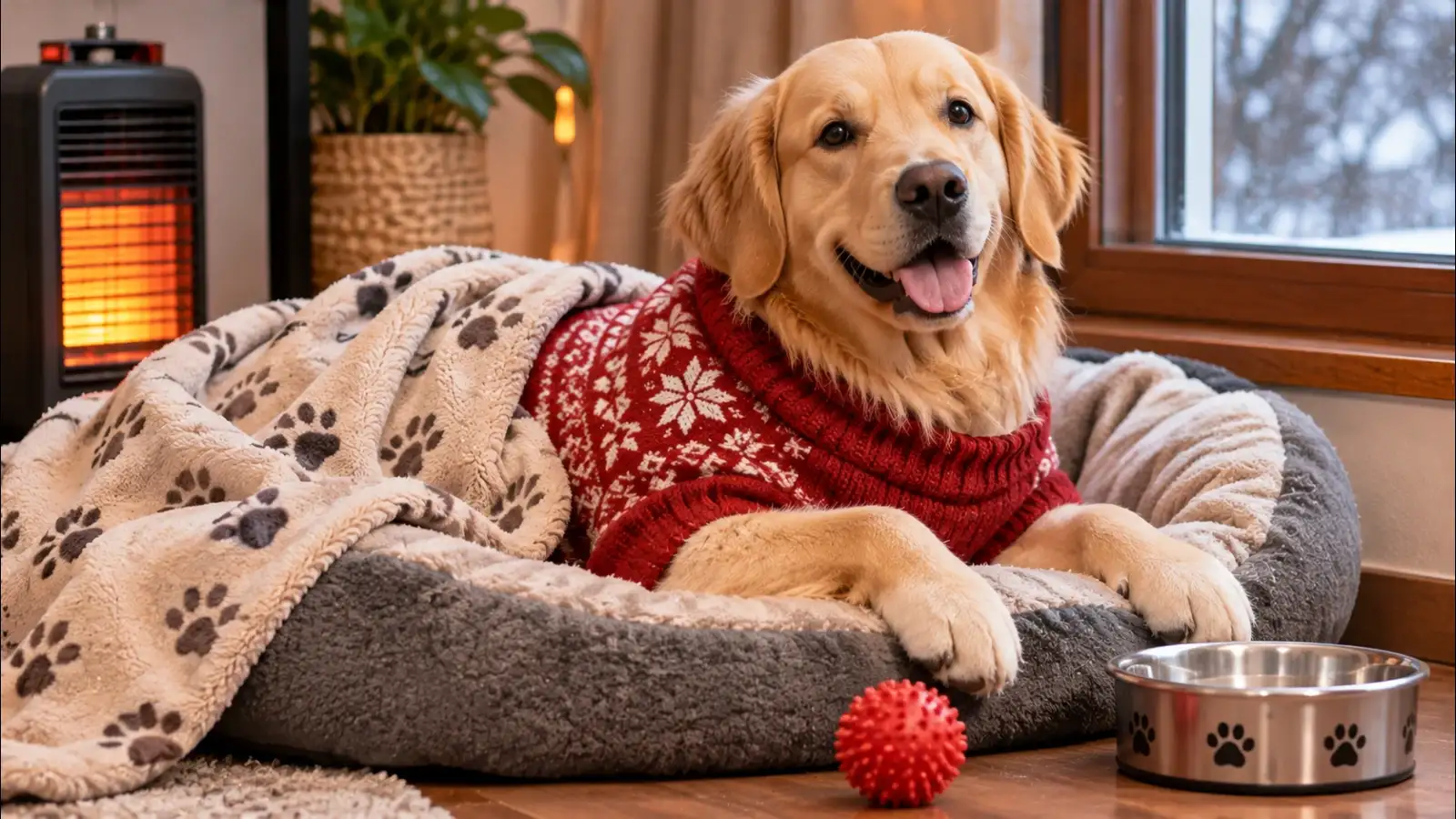
Choose a soft, well-padded dog bed and place it in a warm indoor corner. You can add a washable blanket to provide extra insulation. Make sure your dog has enough space to stretch and change positions comfortably.
If your dog sleeps outdoors, consider bringing it inside during particularly cold nights. Outdoor shelters must be dry, insulated and protected from wind and rain.
A well-fitted dog sweater or jacket can help short-haired, small or senior dogs stay comfortable during outdoor walks. Choose clothing that allows free movement and does not restrict breathing.
Avoid forcing your dog to wear clothes if it becomes distressed. Check regularly for dampness, rubbing or irritation, and remove the clothing when your dog comes indoors if it becomes too warm.
Late morning or early afternoon can be preferable when temperatures are higher. Avoid exposing your dog to strong winds, heavy rain or unusually cold conditions for extended periods.
Watch for signs that your dog wants to return indoors, such as shivering, lifting its paws repeatedly, slowing down or appearing reluctant to walk.
After every outdoor walk, gently clean your dog's paws with a damp cloth and dry them properly. Check between the toes for dirt, small stones, redness or cracks.
Dog-safe paw balms may help protect dry paw pads. If you live in an area with snow or icy roads, properly fitted dog boots can offer additional protection, provided your pet is comfortable wearing them.
Follow a feeding routine suited to your dog's age, size and activity level. Dogs that spend considerable time outdoors may have different energy requirements, so consult a veterinarian before making significant dietary changes.
Also, keep fresh drinking water available at all times. Check water bowls regularly to ensure the water is clean and has not become excessively cold.
Try these simple activities:
Avoid shaving a dog's coat too short during winter unless a veterinarian or professional groomer recommends it for a specific reason. However, do not assume that a thick coat makes every dog comfortable in cold conditions.
Bathing too frequently can also contribute to dry skin. Use a gentle dog-specific shampoo and dry your pet thoroughly before allowing it to go outside.
Look out for warning signs such as:
Keeping pet dogs comfortable during winter does not require complicated changes. A warm sleeping area, suitable clothing when needed, shorter outdoor walks and regular grooming can make colder days easier for them. Pay attention to your dog's behaviour because cold tolerance varies between individual pets. Puppies, older dogs and dogs with existing health conditions may need additional care. If you notice unusual symptoms or persistent discomfort, seek veterinary advice.
1. Provide a Warm and Comfortable Sleeping Area
A comfortable sleeping space is essential for dogs during winter. Avoid placing their beds directly on cold tiles, concrete floors or near draughty doors and windows.Choose a soft, well-padded dog bed and place it in a warm indoor corner. You can add a washable blanket to provide extra insulation. Make sure your dog has enough space to stretch and change positions comfortably.
If your dog sleeps outdoors, consider bringing it inside during particularly cold nights. Outdoor shelters must be dry, insulated and protected from wind and rain.
2. Use Dog-Friendly Winter Clothing When Needed
Some dogs have thick coats that provide natural insulation, while others have short or thin coats that offer less protection against cold weather.A well-fitted dog sweater or jacket can help short-haired, small or senior dogs stay comfortable during outdoor walks. Choose clothing that allows free movement and does not restrict breathing.
Avoid forcing your dog to wear clothes if it becomes distressed. Check regularly for dampness, rubbing or irritation, and remove the clothing when your dog comes indoors if it becomes too warm.
3. Adjust Outdoor Walks According to the Weather
Dogs still need regular exercise during winter, but their outdoor routine may need a few adjustments. Instead of taking one very long walk in extremely cold conditions, consider shorter walks at comfortable times of the day.Late morning or early afternoon can be preferable when temperatures are higher. Avoid exposing your dog to strong winds, heavy rain or unusually cold conditions for extended periods.
Watch for signs that your dog wants to return indoors, such as shivering, lifting its paws repeatedly, slowing down or appearing reluctant to walk.
4. Keep Your Dog's Paws Clean and Dry
Paws can become uncomfortable during winter because of cold surfaces, mud, moisture and road salt in some areas.After every outdoor walk, gently clean your dog's paws with a damp cloth and dry them properly. Check between the toes for dirt, small stones, redness or cracks.
Dog-safe paw balms may help protect dry paw pads. If you live in an area with snow or icy roads, properly fitted dog boots can offer additional protection, provided your pet is comfortable wearing them.
5. Maintain a Balanced Diet and Fresh Water Supply
Dogs need a balanced diet throughout the year, including during winter. Avoid automatically increasing food portions simply because the weather is cold. Indoor pets may become less active during winter and could gain unnecessary weight.Follow a feeding routine suited to your dog's age, size and activity level. Dogs that spend considerable time outdoors may have different energy requirements, so consult a veterinarian before making significant dietary changes.
Also, keep fresh drinking water available at all times. Check water bowls regularly to ensure the water is clean and has not become excessively cold.
6. Keep Your Dog Active Indoors
Cold weather or heavy rain may reduce the time your dog spends outdoors. Indoor activities can help maintain physical movement and mental stimulation.Try these simple activities:
- Play gentle indoor fetch in a safe, open space.
- Use puzzle feeders to encourage problem-solving.
- Hide small dog treats around a room for a sniffing game.
- Practise basic obedience commands.
- Offer safe chew toys to keep your dog occupied.
You may also like
- Why are bamboo winnowing baskets (*soop*) and trays (*daura*) used in Chhath Puja?
- Pinki Haryan: From begging on the streets to becoming a doctor — how Dr. Pinki overcame poverty to fulfil her dream
- Chipped a Front Tooth? Can Dental Bonding Restore Your Smile?
- After 12 years, the EPS pension amount could increase from ₹1,000 to ₹3,000; EPFO may grant approval on November 19..
- Is Insulin Safe During Pregnancy? What Research and Doctors Say
7. Groom Your Dog Without Over-Bathing
Regular grooming helps maintain a healthy coat, which plays an important role in protecting dogs from cold weather. Brush your dog's fur according to its breed and coat type to prevent tangles and remove loose hair.Avoid shaving a dog's coat too short during winter unless a veterinarian or professional groomer recommends it for a specific reason. However, do not assume that a thick coat makes every dog comfortable in cold conditions.
Bathing too frequently can also contribute to dry skin. Use a gentle dog-specific shampoo and dry your pet thoroughly before allowing it to go outside.
8. Watch for Signs of Cold-Related Health Problems
Dogs cannot tell you directly when they are too cold, so observing their behaviour is important.Look out for warning signs such as:
- Persistent shivering or trembling.
- Unusual tiredness or weakness.
- Reluctance to walk or play.
- Cold ears, paws or body.
- Confusion or difficulty moving.
- Pale or unusually discoloured skin.
Keeping pet dogs comfortable during winter does not require complicated changes. A warm sleeping area, suitable clothing when needed, shorter outdoor walks and regular grooming can make colder days easier for them. Pay attention to your dog's behaviour because cold tolerance varies between individual pets. Puppies, older dogs and dogs with existing health conditions may need additional care. If you notice unusual symptoms or persistent discomfort, seek veterinary advice.






Loving Newspoint? Download the app now
