
Explore Champaner-Pavagadh: Gujarat's Historic UNESCO World Heritage Site

Gujarat is home to several remarkable historical destinations, but few combine ancient architecture, dramatic landscapes and living religious traditions quite like Champaner-Pavagadh. Located in the Panchmahal district, this UNESCO World Heritage Site brings together the remains of medieval settlements, hilltop fortifications, intricately designed mosques, historic temples and traditional water structures.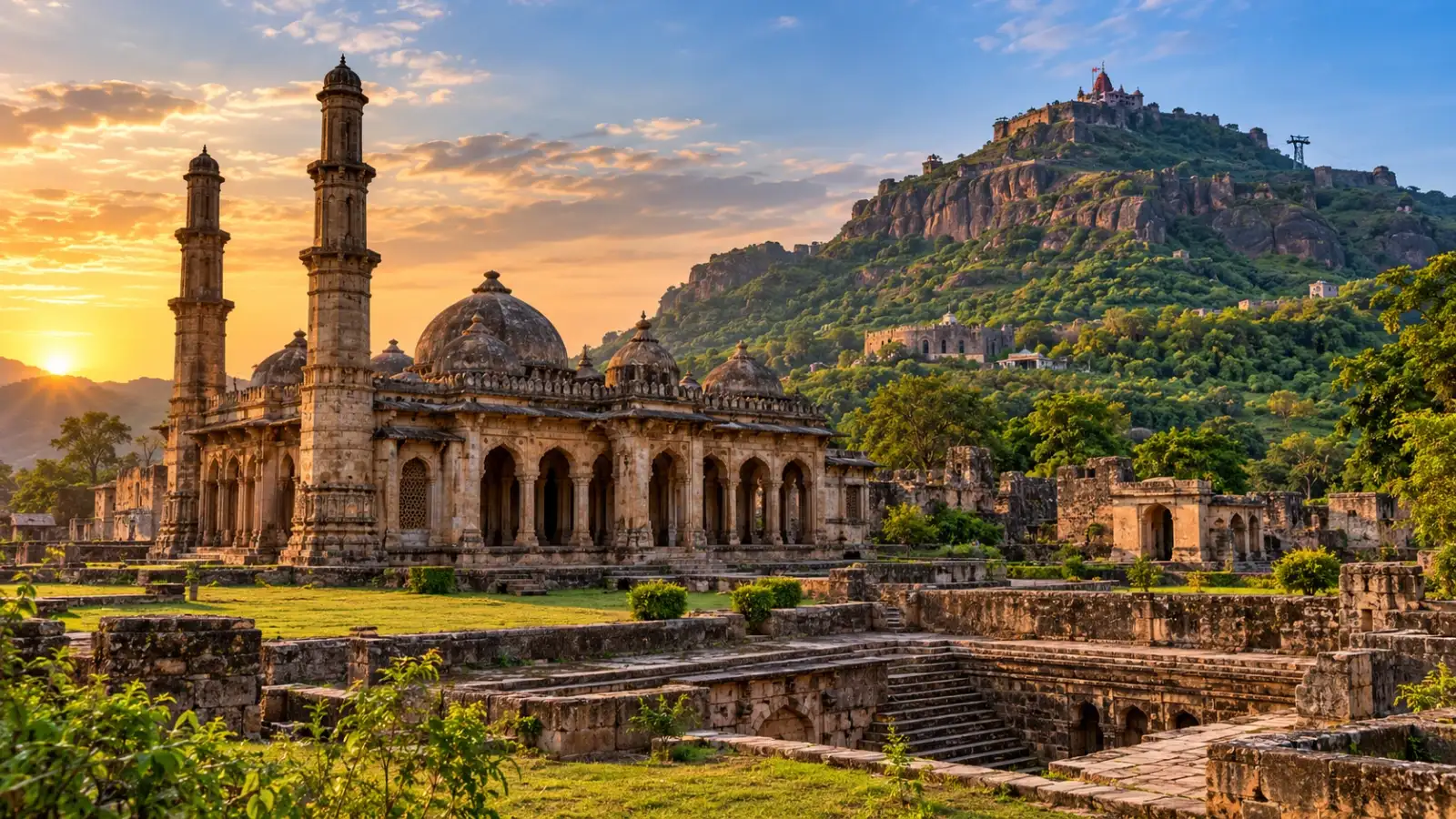
The landscape tells the story of changing rulers, architectural influences and a once-important capital that eventually lost its political significance. Today, visitors can explore centuries-old monuments at the foot of Pavagadh Hill , admire the surrounding countryside and visit the revered Kalika Mata Temple . A weekend here offers a rewarding combination of heritage exploration, scenic walks and cultural discovery.
The site is particularly notable for its combination of Hindu and Islamic architectural traditions. Mosques feature intricately carved pillars and domes, while temples and fortifications reveal the region's earlier history. Stepwells and other water installations also demonstrate how historic communities managed water in a landscape where access to it was essential.
Champaner became a capital under Sultan Mahmud Begada in the late 15th century. Its prominence was relatively short-lived, and the political centre eventually shifted elsewhere. The remains that survive today offer a glimpse into the city's former importance.
Unlike a conventional museum, the archaeological park spreads across a broad landscape. Visitors should allow time to move between monuments rather than expecting everything to be within a single compact complex.
The building is known for its carved stonework, domes, pillars and carefully arranged architectural details. Look closely at the entrances and supporting columns to appreciate the level of craftsmanship involved in its construction.
Rather than rushing through the site, spend time observing how light falls across the stone surfaces and how the structure's proportions create a sense of balance. The mosque is an important example of the architectural style that developed under the Gujarat Sultanate.
Visitors should dress respectfully and follow any access restrictions or instructions displayed at the monument.
The monument is particularly interesting for visitors who enjoy examining historic construction techniques and decorative patterns. Its details differ from those of the Jama Masjid, demonstrating that the archaeological park is not simply a collection of identical structures.
Allow enough time to appreciate the surroundings as well as the building itself. Depending on the season, the landscape around the monument can appear especially green after rainfall.
The monument provides another opportunity to compare the design approaches used in Champaner's religious buildings. Carved details, proportions and the arrangement of architectural elements reveal the skill of the craftsmen who worked here.
If you are exploring independently, check the local layout and access information before setting out. Distances between sites and the condition of connecting paths can affect how much you can comfortably cover in a day.
Stepwells and water-retaining structures reflect the practical needs of settlements in western India, where collecting and storing water was essential for daily life. Their design often combines functional engineering with architectural decoration.
Some structures are less prominent than the main monuments, making them particularly interesting for visitors who want to look beyond the best-known attractions. However, not every structure is equally accessible or fully restored, so follow local directions and avoid entering restricted or unstable areas.
The experience is as much about understanding the relationship between buildings and terrain as it is about visiting individual monuments. Fortifications, religious structures and water installations were positioned within a wider settlement landscape.
Wear comfortable walking shoes, carry drinking water and avoid climbing on old walls or stone structures. These precautions help protect both visitors and fragile archaeological remains.
The temple's setting gives visitors a different experience from the archaeological monuments below. Its religious significance is reflected in the steady flow of devotees who make the journey to worship.
Visitors can reach the hilltop through a combination of walking routes and available transport facilities, including a ropeway. Operating arrangements, queues and access conditions can vary, so check current information before travelling.
Because the temple is an active place of worship, dress modestly, respect local customs and follow instructions from temple staff.
As you explore accessible areas, notice how the terrain influenced the placement of walls, routes and settlements. The hill's slopes also provide broad views of the surrounding landscape when weather conditions are clear.
Some paths may involve steep sections, uneven surfaces and exposed areas. Choose a route suited to your fitness level, avoid restricted sections and do not attempt difficult climbs in poor weather.
The surviving buildings and sculptural details can help visitors appreciate the changing architectural traditions of the area. However, access to individual temples may vary, and not every site is easy to reach.
If you are interested in the history of the hill, consider arranging a knowledgeable local guide. A guide can help explain the significance of monuments that might otherwise appear as isolated ruins.
The landscape changes with the seasons. Monsoon weather can bring lush vegetation and cloud-covered slopes, while drier months often reveal clearer views of the terrain.
Avoid treating the hill as merely a backdrop for photographs. Staying on designated paths, carrying rubbish out and respecting religious spaces help preserve the area for future visitors.
The monsoon season, typically from June to September, can make the surrounding landscape greener and more dramatic. However, rain may create slippery paths, reduce visibility and affect access to some areas.
Summer can be hot, particularly during the middle of the day. If visiting in warmer weather, begin outdoor activities early, carry sufficient water and take breaks in shaded areas.
Before travelling, check the latest weather forecast, monument access information and ropeway operating arrangements.
Travellers can sample Gujarati vegetarian food, including thepla, dhokla, khakhra, Gujarati thali and seasonal local dishes. Food availability varies around individual monuments, so carry water and snacks if you expect to spend several hours walking.
If you prefer to stay closer to the site, check current accommodation options and confirm transport availability for early morning visits. Booking ahead is sensible during busy weekends, public holidays and major pilgrimage periods.
The destination is best explored at a measured pace. Instead of trying to see every monument in a rush, focus on a selection of key sites and allow time to understand their setting and significance.
For anyone seeking a heritage-focused break in Gujarat, Champaner-Pavagadh provides a rewarding opportunity to explore a historic landscape where architectural remains and living traditions continue to exist side by side.
The landscape tells the story of changing rulers, architectural influences and a once-important capital that eventually lost its political significance. Today, visitors can explore centuries-old monuments at the foot of Pavagadh Hill , admire the surrounding countryside and visit the revered Kalika Mata Temple . A weekend here offers a rewarding combination of heritage exploration, scenic walks and cultural discovery.
Why Visit Champaner-Pavagadh?
Champaner-Pavagadh Archaeological Park was added to the UNESCO World Heritage List in 2004. The protected landscape includes archaeological remains from different periods, including prehistoric settlements, an earlier hill fortress and the remains of the Gujarat Sultanate's capital.The site is particularly notable for its combination of Hindu and Islamic architectural traditions. Mosques feature intricately carved pillars and domes, while temples and fortifications reveal the region's earlier history. Stepwells and other water installations also demonstrate how historic communities managed water in a landscape where access to it was essential.
Champaner became a capital under Sultan Mahmud Begada in the late 15th century. Its prominence was relatively short-lived, and the political centre eventually shifted elsewhere. The remains that survive today offer a glimpse into the city's former importance.
Unlike a conventional museum, the archaeological park spreads across a broad landscape. Visitors should allow time to move between monuments rather than expecting everything to be within a single compact complex.
Day 1: Explore Champaner's Historic Monuments
1. Begin at the Jama Masjid
The Jama Masjid, also called Jami Masjid, is one of the most impressive monuments in Champaner. Its architecture combines Islamic design with decorative features associated with regional craftsmanship.The building is known for its carved stonework, domes, pillars and carefully arranged architectural details. Look closely at the entrances and supporting columns to appreciate the level of craftsmanship involved in its construction.
Rather than rushing through the site, spend time observing how light falls across the stone surfaces and how the structure's proportions create a sense of balance. The mosque is an important example of the architectural style that developed under the Gujarat Sultanate.
Visitors should dress respectfully and follow any access restrictions or instructions displayed at the monument.
2. Discover Kevada Masjid
Kevada Masjid offers another perspective on the architectural character of Champaner. Its prayer hall, decorative stonework and surrounding setting make it a worthwhile stop on a heritage walk.The monument is particularly interesting for visitors who enjoy examining historic construction techniques and decorative patterns. Its details differ from those of the Jama Masjid, demonstrating that the archaeological park is not simply a collection of identical structures.
Allow enough time to appreciate the surroundings as well as the building itself. Depending on the season, the landscape around the monument can appear especially green after rainfall.
3. Visit Nagina Masjid
Nagina Masjid is another notable monument within the archaeological park. Its name means 'jewel', and the building is recognised for its elegant stone architecture and ornamentation.The monument provides another opportunity to compare the design approaches used in Champaner's religious buildings. Carved details, proportions and the arrangement of architectural elements reveal the skill of the craftsmen who worked here.
If you are exploring independently, check the local layout and access information before setting out. Distances between sites and the condition of connecting paths can affect how much you can comfortably cover in a day.
4. Look for Historic Stepwells and Water Structures
Champaner-Pavagadh is important not only for its religious and military architecture but also for its historic water-management systems.Stepwells and water-retaining structures reflect the practical needs of settlements in western India, where collecting and storing water was essential for daily life. Their design often combines functional engineering with architectural decoration.
Some structures are less prominent than the main monuments, making them particularly interesting for visitors who want to look beyond the best-known attractions. However, not every structure is equally accessible or fully restored, so follow local directions and avoid entering restricted or unstable areas.
5. Walk Through the Archaeological Landscape
Set aside time to explore the broader setting around Champaner. The remains of the historic city sit among low hills, open spaces and vegetation, creating an atmosphere that differs from the busy streets of Gujarat's larger cities.The experience is as much about understanding the relationship between buildings and terrain as it is about visiting individual monuments. Fortifications, religious structures and water installations were positioned within a wider settlement landscape.
Wear comfortable walking shoes, carry drinking water and avoid climbing on old walls or stone structures. These precautions help protect both visitors and fragile archaeological remains.
Day 2: Experience Pavagadh Hill and Its Sacred Heritage
1. Visit the Kalika Mata Temple
The Kalika Mata Temple is one of the most important religious destinations in the region. Situated on Pavagadh Hill, the shrine attracts pilgrims throughout the year and forms a central part of the area's living cultural heritage.The temple's setting gives visitors a different experience from the archaeological monuments below. Its religious significance is reflected in the steady flow of devotees who make the journey to worship.
Visitors can reach the hilltop through a combination of walking routes and available transport facilities, including a ropeway. Operating arrangements, queues and access conditions can vary, so check current information before travelling.
Because the temple is an active place of worship, dress modestly, respect local customs and follow instructions from temple staff.
2. Explore Pavagadh's Fortifications and Hill Views
Pavagadh Hill rises prominently above the surrounding plains and has long held strategic importance. Its elevated position offered defensive advantages, and remnants of fortifications reflect its role as a historic stronghold.As you explore accessible areas, notice how the terrain influenced the placement of walls, routes and settlements. The hill's slopes also provide broad views of the surrounding landscape when weather conditions are clear.
Some paths may involve steep sections, uneven surfaces and exposed areas. Choose a route suited to your fitness level, avoid restricted sections and do not attempt difficult climbs in poor weather.
3. Look for the Hill's Historic Temples
Pavagadh is associated with several temples from different periods. These structures add another layer to the region's history and demonstrate the continuing religious significance of the hill.The surviving buildings and sculptural details can help visitors appreciate the changing architectural traditions of the area. However, access to individual temples may vary, and not every site is easy to reach.
If you are interested in the history of the hill, consider arranging a knowledgeable local guide. A guide can help explain the significance of monuments that might otherwise appear as isolated ruins.
4. Enjoy the Landscape Without Rushing
After visiting the major sites, take some time to appreciate the natural setting. The contrast between the rocky hill, surrounding greenery and historic structures is a defining feature of Champaner-Pavagadh.The landscape changes with the seasons. Monsoon weather can bring lush vegetation and cloud-covered slopes, while drier months often reveal clearer views of the terrain.
Avoid treating the hill as merely a backdrop for photographs. Staying on designated paths, carrying rubbish out and respecting religious spaces help preserve the area for future visitors.
Best Time to Visit Champaner-Pavagadh
The cooler months, generally from October to February, are often comfortable for exploring monuments and walking outdoors. Temperatures are usually more suitable for extended sightseeing than during the peak summer heat.The monsoon season, typically from June to September, can make the surrounding landscape greener and more dramatic. However, rain may create slippery paths, reduce visibility and affect access to some areas.
Summer can be hot, particularly during the middle of the day. If visiting in warmer weather, begin outdoor activities early, carry sufficient water and take breaks in shaded areas.
Before travelling, check the latest weather forecast, monument access information and ropeway operating arrangements.
You may also like
- Merchants to Moguls by Sarojesh Mukerjee: The forgotten business pioneers who shaped Bengal's economic legacy
- The new ambition is to have a life, with or without that promotion!
- Jonita joins Shah Rukh Khan's UNIFYD festival in Abu Dhabi with top singers
- HPV-Related Vulvar Lesions: What You Should Know
- Honey bee hives have 'living immune systems' which defend against disease
How to Reach Champaner-Pavagadh
Champaner-Pavagadh is in Gujarat's Panchmahal district and can be visited from Vadodara, which is a convenient base for many travellers.- By air: Vadodara Airport is the nearest major airport commonly used by visitors.
- By train: Vadodara has rail connections to several major Indian cities. Check current services for the most suitable station and onward transport.
- By road: The destination can be reached by road from Vadodara and other parts of Gujarat. A private vehicle or taxi can make it easier to travel between scattered monuments.
What to Eat and Where to Stay
Vadodara offers a wider choice of accommodation, restaurants and transport services than the immediate archaeological area. Staying there can be convenient if you prefer more options for dining and overnight arrangements.Travellers can sample Gujarati vegetarian food, including thepla, dhokla, khakhra, Gujarati thali and seasonal local dishes. Food availability varies around individual monuments, so carry water and snacks if you expect to spend several hours walking.
If you prefer to stay closer to the site, check current accommodation options and confirm transport availability for early morning visits. Booking ahead is sensible during busy weekends, public holidays and major pilgrimage periods.
Practical Tips for a Smooth Weekend Trip
- Start early to make the most of cooler temperatures and daylight.
- Wear comfortable shoes suitable for uneven paths and stone surfaces.
- Carry water, sun protection and a light rain jacket during the monsoon.
- Check ropeway timings, temple arrangements and access restrictions in advance.
- Respect active places of worship and follow photography rules.
- Do not climb on fragile structures, remove stones or disturb archaeological remains.
- Allow extra time for the hilltop temple, especially during festivals and busy pilgrimage periods.
Why Champaner-Pavagadh Deserves a Place on Your Travel List
Champaner-Pavagadh offers a distinctive weekend experience for travellers interested in history, architecture, religion and landscapes. Its mosques, fortifications, temples and water structures reveal different chapters of Gujarat's past, while Pavagadh Hill remains an important centre of pilgrimage.The destination is best explored at a measured pace. Instead of trying to see every monument in a rush, focus on a selection of key sites and allow time to understand their setting and significance.
For anyone seeking a heritage-focused break in Gujarat, Champaner-Pavagadh provides a rewarding opportunity to explore a historic landscape where architectural remains and living traditions continue to exist side by side.






Loving Newspoint? Download the app now
