
Weight loss in your 50s: How shedding pounds in middle age can restore heart health


For most people across the world, turning 50 comes with a sense of slowing down: cutting down on physical activities, watching what they put on the plate, regularizing physician visits, keeping an eye on health markers, and more. It’s also the age when people usually become a bit more cautious about their cardiovascular health. After all, middle age is when your heart lets you know how it’s going to keep up in the coming years — or so we thought.
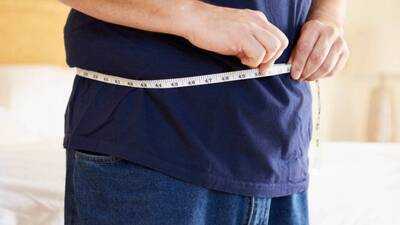
But the truth seems to differ from the common perception.
Turning 50 doesn’t mean the door slams shut on better heart health; not by a long shot. If you’ve spent years battling extra weight, midlife is actually a prime time to shake things up for your heart and metabolism. The best part? You don’t even need a jaw-dropping transformation on the scale to see real benefits.
A big new study out of University College London gives hope to anyone feeling discouraged. They looked at thousands of people born in 1958 and found that those who lost just 5% or more of their body weight in their early 50s, and kept it off, ended up with heart and metabolic health as good as folks who maintained a healthy weight most of their lives. So, late bloomers get a second chance. Carrying extra weight for years doesn’t have to doom you to high blood pressure, diabetes, or the usual suspects.
What did the study reveal?The numbers tell the story. The research analysed data from more than 6,000 people, participants in the British National Child Development Study, born in Britain in the same week in 1958. Researchers examined changes in body mass index (BMI) from early adulthood onwards and compared heart and metabolic health measurements taken at ages 44 and 62.
People who trimmed at least 5% off their weight by age 50 and stuck with it until 55 had cholesterol, blood pressure, and inflammation markers that lined up with lifelong healthy-weight peers by 62. That’s a big deal. Moreover, around 24% of participants had remained within the healthy BMI range for nearly all their adult lives, while approximately 6% lost at least 5% of their weight by age 50 and maintained the loss until 55.
Those who gained weight in their 50s, even a little, saw their heart and metabolic health slide faster than anyone else. People whose weight bounced around in the obesity range didn’t fare much better. Sticking with that weight loss, even if it’s not dramatic, slowed the usual wear-and-tear of aging.
All this isn’t just theory. Middle age is a sweet spot for dialing things back. Sure, the study didn’t prove losing weight alone fixes everything, but it found solid links. And those modest improvements aren’t invisible. Your body starts to respond, even if it’s slow going at first.
How does losing weight post-50 benefit your heart?It’s no mystery why: extra fat, especially on the belly, throws the body’s systems out of whack. Blood pressure creeps up, sugar control slips, LDL (“bad”) cholesterol climbs, and inflammation ramps up. Peel off even 5% to 10% of your weight, even if that’s only 4 or 5 kilos, and it kick-starts changes: lower blood pressure, better sugar control, less inflammation, healthier blood fats. The American Heart Association keeps it simple: small, sustainable weight loss makes a real difference; no miracle overhaul required.
However, it’s important to remember that weight is just one part of the puzzle. Smoking, sitting too much, blood pressure, family history — they all matter. You don’t have to chase perfection, just better odds.
What helps in your 50s?The answer isn’t some special super diet or brutal gym plan. It’s about what you can actually stick with. Build your meals on vegetables, whole grains, pulses, eggs, dairy, whatever fits your lifestyle, and cut back on added sugar, processed snacks, oversized portions, and calorie bomb drinks. You really don’t need restrictive diets. An Indian household can do wonders with simple swaps: more dal, veggies, curd, and fruit, less oil and fried food.
You have to keep up with physical activities, too. Brisk walks, cycling, swimming — it all adds up. Per the latest advice, aim for at least 150 minutes a week of moderate exercise (think walking fast enough to breathe a little harder), plus strength work to keep your muscles in check. Muscles tend to shrink with age, and crash diets make it worse, so get enough protein and don’t starve yourself.
Finally, don’t forget sleep and small daily habits. Consistency wins out. Crash diets don’t last, but tiny, doable changes do.
Should you rush out for weight-loss meds?Not unless you need them and they’re prescribed by professional healthcare providers. Most people do fine with lifestyle tweaks. For some who have obesity or related health issues, medications might enter the conversation, but always with a doctor’s close watch. Muscle needs protecting with good nutrition and some resistance work, especially if medicines curb your appetite.
Lastly, be careful with unexplained weight loss. Losing weight without trying isn’t always good news; sometimes it signals a medical problem. Don’t just assume it’s healthy.
Next Story