
The Future of Wellness Travel: Forest Bathing, Geothermal Soaks and More

Wellness travel is moving far beyond spa weekends and beachside yoga. Today, travellers are seeking experiences that help them sleep better, manage stress, reconnect with nature and even understand their long-term health.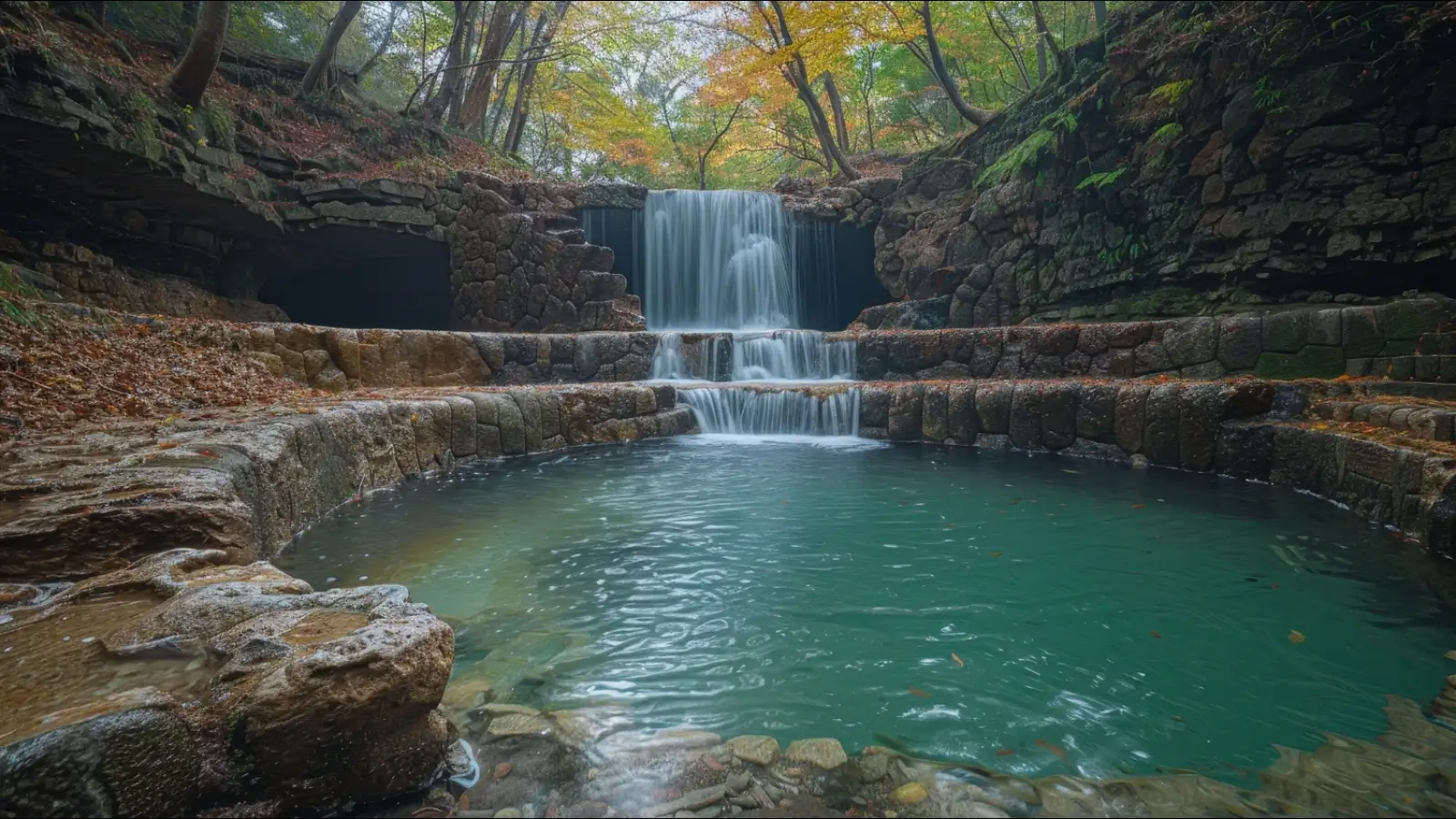
From geothermal bathing in volcanic landscapes to forest bathing , personalised nutrition and longevity programmes, the global wellness map is becoming more diverse. And Bali, while still popular, is no longer the only destination defining this trend.
Destinations such as Yakushima and the forests around Nagano offer immersive nature experiences. The appeal lies in disconnecting from screens and schedules and spending intentional time among trees.
Natural hot springs and geothermal lagoons allow visitors to soak in mineral-rich, warm waters while surrounded by volcanic landscapes. The experience is less about luxury alone and more about combining relaxation with the natural environment.
For wellness travellers, a geothermal soak can become part of a broader itinerary involving hiking, fresh air and time away from urban routines.
Visitors can combine sauna sessions with cold-water dips, quiet time in nature and lakeside stays. The contrast between heat and cold is particularly attractive to travellers looking for a distinctive wellness experience.
The focus is shifting from simply feeling relaxed for a few days to understanding lifestyle habits and creating longer-term strategies for healthier living.
Some wellness resorts also focus on sleep, stress reduction, metabolic health and healthy ageing, appealing to travellers who want measurable changes rather than a temporary escape.
The country's wellness scene also increasingly overlaps with nutrition, recovery and fitness, creating experiences that feel more like lifestyle resets than traditional holidays.
Hotels and retreats are experimenting with sleep-focused rooms, calming bedtime routines, sleep consultations, relaxation therapies and technology designed to monitor or improve rest.
The idea is simple: instead of returning from a holiday exhausted, travellers want to come home genuinely rested.
Longevity programmes may combine health assessments with exercise, nutrition, sleep support and stress-management strategies. Some high-end programmes use blood tests and other measurements to create highly personalised plans.
However, travellers should distinguish between evidence-based preventive health services and exaggerated claims. A wellness retreat can support healthy habits, but it should not be treated as a substitute for medical care.
Today's traveller may spend one morning forest bathing, an afternoon in a geothermal pool and the evening following a structured sleep routine. Another may choose a retreat focused on nutrition, fitness and healthy ageing.
The destination is still important, but the real luxury is increasingly time, recovery and the chance to return home with habits that last beyond the holiday.
For travellers looking beyond the familiar Bali wellness circuit, the world offers plenty of alternatives, from Japan's quiet forests and Iceland's geothermal waters to Finland's saunas and Switzerland's personalised health retreats. The new wellness map is less about escaping life and more about learning how to live it better.
From geothermal bathing in volcanic landscapes to forest bathing , personalised nutrition and longevity programmes, the global wellness map is becoming more diverse. And Bali, while still popular, is no longer the only destination defining this trend.
Japan: The Art of Forest Bathing
Japan offers a slower approach to wellness through 'shinrin-yoku', or forest bathing. Instead of treating a forest walk as exercise, the practice encourages visitors to slow down, breathe deeply and engage with their surroundings.Destinations such as Yakushima and the forests around Nagano offer immersive nature experiences. The appeal lies in disconnecting from screens and schedules and spending intentional time among trees.
Iceland: Geothermal Wellness in Nature
Iceland combines dramatic landscapes with one of its most recognisable wellness traditions: geothermal bathing.Natural hot springs and geothermal lagoons allow visitors to soak in mineral-rich, warm waters while surrounded by volcanic landscapes. The experience is less about luxury alone and more about combining relaxation with the natural environment.
For wellness travellers, a geothermal soak can become part of a broader itinerary involving hiking, fresh air and time away from urban routines.
Finland: Sauna, Silence and Slow Living
Finland's sauna culture offers another interpretation of wellness. Saunas are deeply woven into everyday life, making relaxation feel less like an occasional treatment and more like a regular ritual.Visitors can combine sauna sessions with cold-water dips, quiet time in nature and lakeside stays. The contrast between heat and cold is particularly attractive to travellers looking for a distinctive wellness experience.
Switzerland: Wellness With a Medical Edge
Switzerland is increasingly associated with highly personalised wellness and preventive health programmes. Luxury clinics and wellness centres offer services that can include health assessments, nutrition guidance, fitness planning and stress management.The focus is shifting from simply feeling relaxed for a few days to understanding lifestyle habits and creating longer-term strategies for healthier living.
Thailand: Holistic Retreats With Personalised Programmes
Thailand remains a major wellness destination, but its offerings are becoming more sophisticated. Beyond massages and meditation, retreats now commonly combine movement, nutrition, mindfulness and personalised health programmes.Some wellness resorts also focus on sleep, stress reduction, metabolic health and healthy ageing, appealing to travellers who want measurable changes rather than a temporary escape.
Australia: Wellness Rooted in the Outdoors
Australia's vast natural spaces provide a natural setting for active wellness. Coastal walks, wilderness retreats, hiking and outdoor mindfulness experiences allow travellers to combine physical activity with mental relaxation.The country's wellness scene also increasingly overlaps with nutrition, recovery and fitness, creating experiences that feel more like lifestyle resets than traditional holidays.
Sleep Tourism Is Having a Moment
One of the most interesting developments in wellness travel is the growing focus on sleep.Hotels and retreats are experimenting with sleep-focused rooms, calming bedtime routines, sleep consultations, relaxation therapies and technology designed to monitor or improve rest.
The idea is simple: instead of returning from a holiday exhausted, travellers want to come home genuinely rested.
Longevity Is the New Wellness Buzzword
Wellness is also moving towards 'longevity', the idea of supporting healthy ageing through sustainable lifestyle habits.You may also like
- Dr Mukesh Batra flags digital addiction and toxic relationships as modern-day 'toxins'
- 2-Hour Limit on Facebook and Instagram: Here's Meta's New Plan
- Easy ways to give your garden planters a beautiful fall glow-up: Simple ideas to refresh your outdoor space
- 5 budget-friendly DIY entryway decor ideas using just plants and decorative pots that instantly upgrade the home
- At 17, this Noida student is turning textile waste into paycheques for 250+ village women, helping them earn from home and become financially independent
Longevity programmes may combine health assessments with exercise, nutrition, sleep support and stress-management strategies. Some high-end programmes use blood tests and other measurements to create highly personalised plans.
However, travellers should distinguish between evidence-based preventive health services and exaggerated claims. A wellness retreat can support healthy habits, but it should not be treated as a substitute for medical care.
The New Wellness Traveller Wants More Than Pampering
The biggest change in wellness tourism is perhaps the shift from passive relaxation to active wellbeing.Today's traveller may spend one morning forest bathing, an afternoon in a geothermal pool and the evening following a structured sleep routine. Another may choose a retreat focused on nutrition, fitness and healthy ageing.
The destination is still important, but the real luxury is increasingly time, recovery and the chance to return home with habits that last beyond the holiday.
For travellers looking beyond the familiar Bali wellness circuit, the world offers plenty of alternatives, from Japan's quiet forests and Iceland's geothermal waters to Finland's saunas and Switzerland's personalised health retreats. The new wellness map is less about escaping life and more about learning how to live it better.






Loving Newspoint? Download the app now
