
What Do Zones Mean on a Boarding Pass? Everything Travellers Need to Know

If you’ve ever glanced at your ticket and wondered what zones mean on a boarding pass, you’re not alone. The term may seem confusing at first, but it plays a key role in making air travel smoother. In simple terms, boarding zones are designed to organise passengers and reduce chaos at the gate, ensuring a quicker and more efficient boarding process.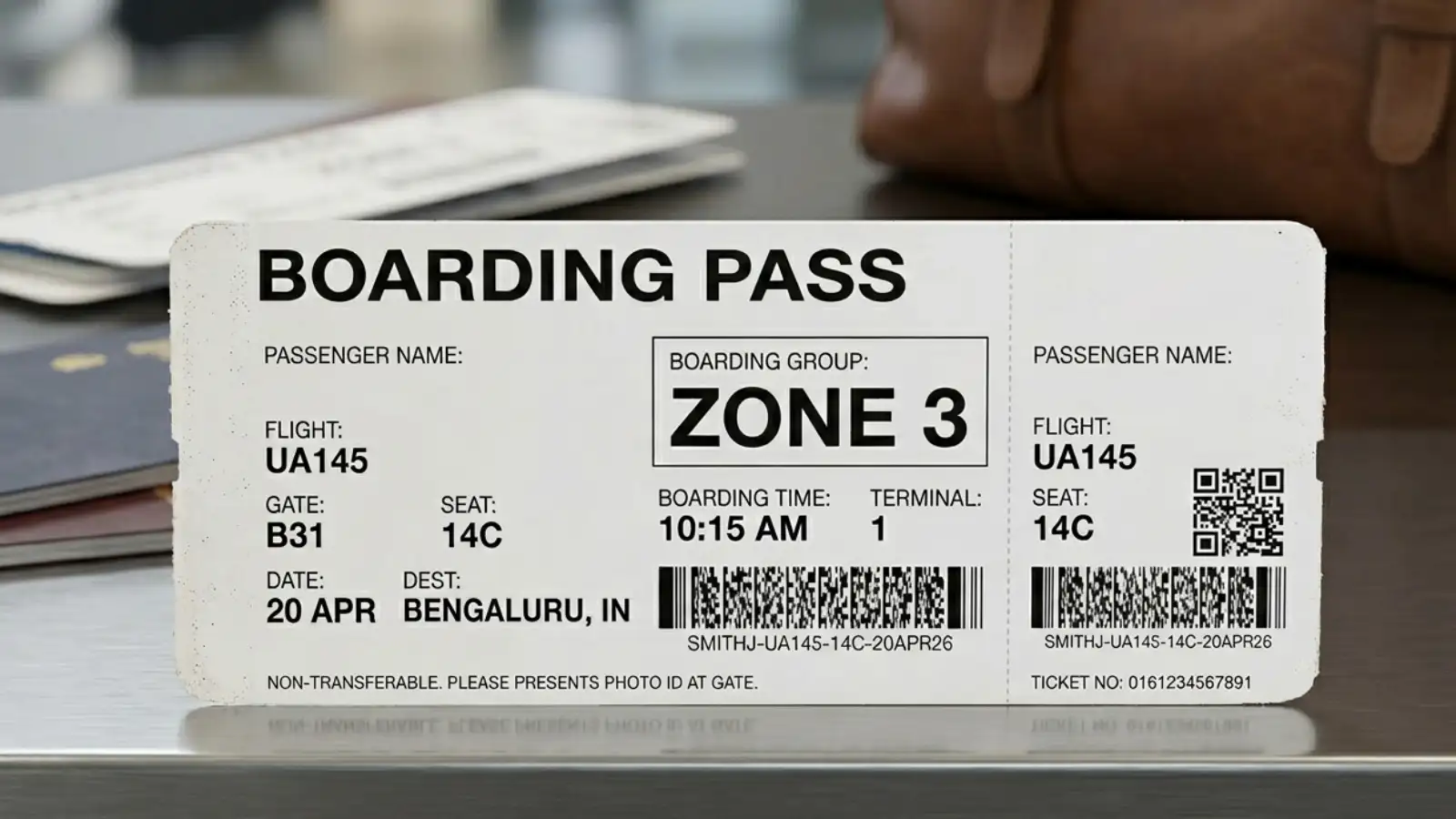
What Is a Boarding Zone?
A boarding zone is a group assigned to passengers that determines when they can enter the aircraft. Instead of allowing everyone to board at once, airlines divide travellers into smaller groups and call them in sequence.
This structured system helps avoid long queues and unnecessary crowding.
Why Do Airlines Use Boarding Zones?
Boarding zones are not random - they serve a clear purpose. Airlines use them to keep things organised and ensure a smoother flow of passengers.
Key benefits include:
By managing passengers in batches, airlines can maintain order and minimise delays.
Which Zones Are Called First?
Not all zones are equal. Some passengers are invited to board earlier than others.
Zone 1 or Zone 2 usually boards first
These zones often include:
Early boarding gives these passengers more time to settle in and store their luggage comfortably.
Does Your Seat Affect Your Boarding Zone?
Yes, in many cases, your seat location can influence your assigned zone.
However, this can vary depending on the airline’s boarding strategy.
Do Ticket Types Impact Your Zone?
Your ticket category plays a major role in determining your boarding zone.
So, paying extra often means boarding sooner.
Are Boarding Zones the Same for Every Airline?
There is no universal rule when it comes to boarding zones.
This means your boarding experience may change depending on who you’re flying with.
What If Your Zone Is Called Last?
If you’re in a later zone, there’s no need to worry.
The system is purely about timing, not priority in seating.
Understanding what zones mean on a boarding pass can make your travel experience far less stressful. It’s simply a system designed to organise passengers, speed up boarding, and create a smoother journey for everyone. So next time you hear your zone being called, you’ll know exactly what it means - and when it’s your turn to step on board.
What Is a Boarding Zone?
A boarding zone is a group assigned to passengers that determines when they can enter the aircraft. Instead of allowing everyone to board at once, airlines divide travellers into smaller groups and call them in sequence.
- Each passenger is given a specific zone number
- Announcements are made for each zone at the gate
- You board only when your zone is called
This structured system helps avoid long queues and unnecessary crowding.
Why Do Airlines Use Boarding Zones?
Boarding zones are not random - they serve a clear purpose. Airlines use them to keep things organised and ensure a smoother flow of passengers.
Key benefits include:
- Reduced congestion at boarding gates
- Faster boarding process for flights
- Better passenger experience with less confusion
- Improved efficiency for airline staff
By managing passengers in batches, airlines can maintain order and minimise delays.
Which Zones Are Called First?
Not all zones are equal. Some passengers are invited to board earlier than others.
Zone 1 or Zone 2 usually boards first
These zones often include:
- Business or first-class passengers
- Frequent flyers or loyalty members
- Travellers who have paid for priority boarding
Early boarding gives these passengers more time to settle in and store their luggage comfortably.
Does Your Seat Affect Your Boarding Zone?
Yes, in many cases, your seat location can influence your assigned zone.
- Passengers seated at the rear of the aircraft may be called earlier
- This helps fill the plane from back to front, avoiding aisle congestion
- Window seats may sometimes be prioritised over aisle seats
However, this can vary depending on the airline’s boarding strategy.
Do Ticket Types Impact Your Zone?
Your ticket category plays a major role in determining your boarding zone.
- Premium or business class tickets usually come with early boarding
- Priority boarding add-ons can move you to an earlier zone
- Economy or basic fares are generally assigned later zones
So, paying extra often means boarding sooner.
Are Boarding Zones the Same for Every Airline?
There is no universal rule when it comes to boarding zones.
- Different airlines follow different systems
- Some may have 4 zones, while others may have 8 or more
- Boarding methods can vary from airline to airline
This means your boarding experience may change depending on who you’re flying with.
What If Your Zone Is Called Last?
If you’re in a later zone, there’s no need to worry.
- Your seat is already confirmed
- You will still board the flight without any issue
- Zones only determine boarding order, not seat availability
The system is purely about timing, not priority in seating.
Understanding what zones mean on a boarding pass can make your travel experience far less stressful. It’s simply a system designed to organise passengers, speed up boarding, and create a smoother journey for everyone. So next time you hear your zone being called, you’ll know exactly what it means - and when it’s your turn to step on board.
Next Story