
Building Strong Bones: Expert Nutritionist Reveals Key Dietary Tips

Maintaining strong and healthy bones is crucial for overall well-being and longevity. While regular exercise is essential, nutrition plays a fundamental role in bone health. In this article, we'll delve into expert advice from a seasoned nutritionist, exploring key dietary tips to fortify your bones and promote lifelong skeletal strength.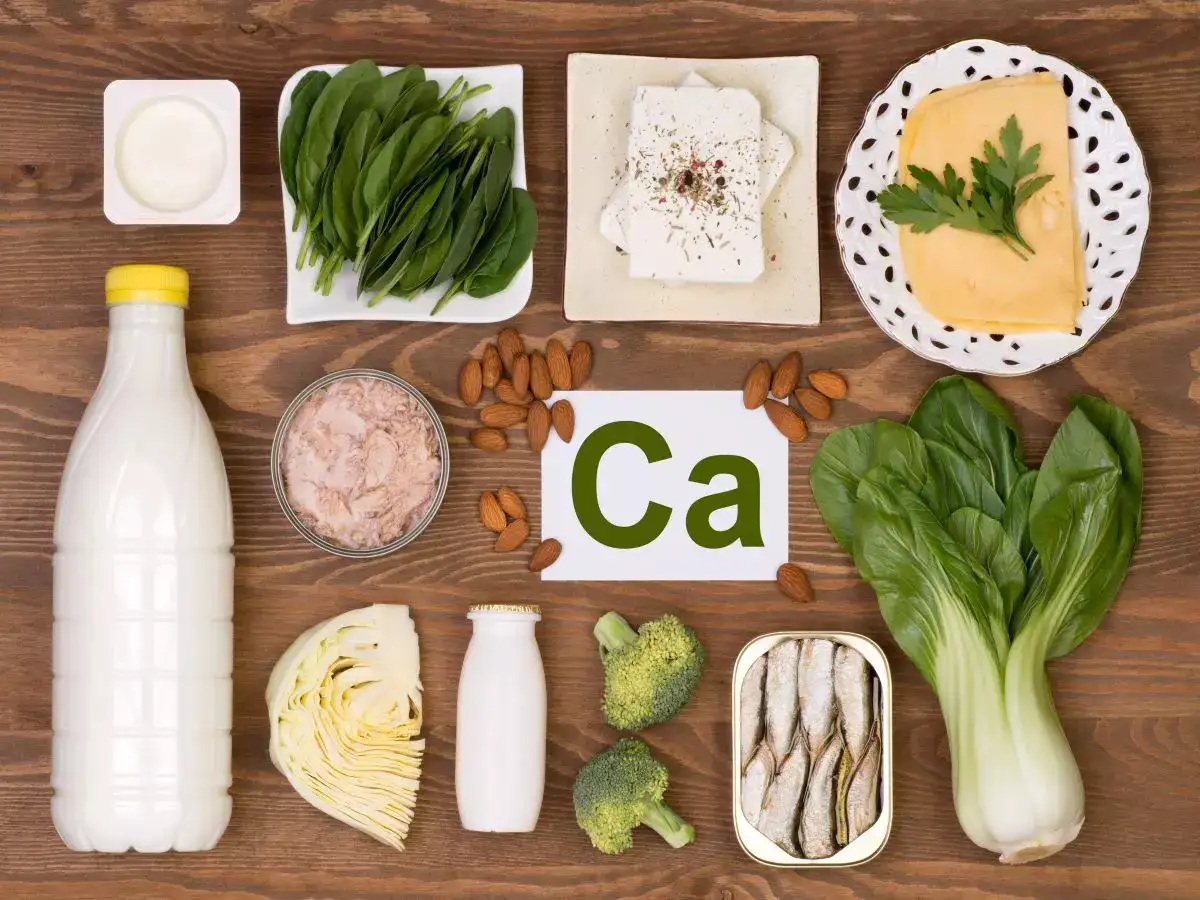
Understanding Bone Health
Bones are the structural framework of our body, providing support, protection, and mobility. Maintaining optimal bone health is vital for preventing osteoporosis and fractures, especially as we age. Adequate nutrition is essential for the development, maintenance, and repair of bones throughout life.
Key Nutrients for Strong Bones
Calcium: This mineral is a primary component of bone tissue, essential for maintaining bone density and strength. Dairy products like milk, cheese, and yoghurt are rich sources of calcium. Alternatively, leafy greens such as kale and broccoli, fortified cereals, and tofu can also provide calcium for those with dietary restrictions.
Vitamin D: Vitamin D facilitates calcium absorption in the body, crucial for bone mineralization. Exposure to sunlight is a natural source of vitamin D, but dietary sources include fatty fish (e.g., salmon, mackerel), egg yolks, fortified foods, and supplements, particularly important for those with limited sun exposure.
Magnesium: Often overlooked, magnesium contributes to bone health by aiding in calcium absorption and regulating vitamin D metabolism. Incorporate magnesium-rich foods such as nuts, seeds, whole grains, and leafy greens into your diet for optimal bone support.
Vitamin K: Vitamin K plays a role in bone metabolism and mineralization, promoting bone density and strength. Sources include leafy greens, broccoli, Brussels sprouts, and fermented foods like sauerkraut and natto.
Balanced Diet for Bone Health:
In addition to specific nutrients, maintaining a well-balanced diet is essential for overall bone health. Incorporate a variety of nutrient-dense foods, including fruits, vegetables, whole grains, lean proteins, and healthy fats. Avoid excessive intake of sodium, caffeine, and alcohol, as they can interfere with calcium absorption and contribute to bone loss.
Lifestyle Factors
Beyond nutrition, other lifestyle factors influence bone health. Regular weight-bearing exercise, such as walking, dancing, or strength training, stimulates bone formation and strengthens existing bone tissue. Avoiding smoking and excessive alcohol consumption also supports bone health.
Consultation with a Professional
Individual nutritional needs vary based on factors such as age, gender, activity level, and existing health conditions. Consulting with a registered dietitian or nutritionist can provide personalised recommendations tailored to your specific requirements, ensuring optimal bone health and overall well-being.
Incorporating bone-boosting nutrients into your diet is a proactive step towards maintaining strong and healthy bones throughout life. By prioritising foods rich in calcium, vitamin D, magnesium, and vitamin K, alongside a balanced diet and active lifestyle, you can fortify your skeletal structure and safeguard against osteoporosis and fractures. Remember, a consultation with a healthcare professional can offer personalised guidance to optimise your bone health journey.
Understanding Bone Health
Bones are the structural framework of our body, providing support, protection, and mobility. Maintaining optimal bone health is vital for preventing osteoporosis and fractures, especially as we age. Adequate nutrition is essential for the development, maintenance, and repair of bones throughout life.
Key Nutrients for Strong Bones
Calcium: This mineral is a primary component of bone tissue, essential for maintaining bone density and strength. Dairy products like milk, cheese, and yoghurt are rich sources of calcium. Alternatively, leafy greens such as kale and broccoli, fortified cereals, and tofu can also provide calcium for those with dietary restrictions.
Vitamin D: Vitamin D facilitates calcium absorption in the body, crucial for bone mineralization. Exposure to sunlight is a natural source of vitamin D, but dietary sources include fatty fish (e.g., salmon, mackerel), egg yolks, fortified foods, and supplements, particularly important for those with limited sun exposure.
Magnesium: Often overlooked, magnesium contributes to bone health by aiding in calcium absorption and regulating vitamin D metabolism. Incorporate magnesium-rich foods such as nuts, seeds, whole grains, and leafy greens into your diet for optimal bone support.
You may also like
- Oats and green vegetables help in weight loss by controlling appetite
- What Happens When You Eat 1 Pomegranate Daily, 6 Powerful Health Benefits
- Taking Medicines After Drinking Alcohol, Top Doctors Warn of Deadly Liver and Heart Risks
- Can Protein Shakes Alone Build Muscle, Bust Superfood Myths and Expensive Fitness Fads
- This country is paying people to read books for 15 minutes: Here's how the scheme works and why it was launched
Vitamin K: Vitamin K plays a role in bone metabolism and mineralization, promoting bone density and strength. Sources include leafy greens, broccoli, Brussels sprouts, and fermented foods like sauerkraut and natto.
Balanced Diet for Bone Health:
In addition to specific nutrients, maintaining a well-balanced diet is essential for overall bone health. Incorporate a variety of nutrient-dense foods, including fruits, vegetables, whole grains, lean proteins, and healthy fats. Avoid excessive intake of sodium, caffeine, and alcohol, as they can interfere with calcium absorption and contribute to bone loss.
Lifestyle Factors
Beyond nutrition, other lifestyle factors influence bone health. Regular weight-bearing exercise, such as walking, dancing, or strength training, stimulates bone formation and strengthens existing bone tissue. Avoiding smoking and excessive alcohol consumption also supports bone health.
Consultation with a Professional
Individual nutritional needs vary based on factors such as age, gender, activity level, and existing health conditions. Consulting with a registered dietitian or nutritionist can provide personalised recommendations tailored to your specific requirements, ensuring optimal bone health and overall well-being.
Incorporating bone-boosting nutrients into your diet is a proactive step towards maintaining strong and healthy bones throughout life. By prioritising foods rich in calcium, vitamin D, magnesium, and vitamin K, alongside a balanced diet and active lifestyle, you can fortify your skeletal structure and safeguard against osteoporosis and fractures. Remember, a consultation with a healthcare professional can offer personalised guidance to optimise your bone health journey.






Loving Newspoint? Download the app now
