
What Happens When You Eat Jaggery in Summer? Storage Tips to Keep It Fresh

Eating jaggery in summer is a common question in many households, especially when temperatures rise and humidity increases. Jaggery, also known as gur, is a natural sweetener widely used in traditional Indian cooking. While it remains safe to consume in warmer months, proper storage is essential to keep it fresh, prevent spoilage, and maintain its natural taste and quality.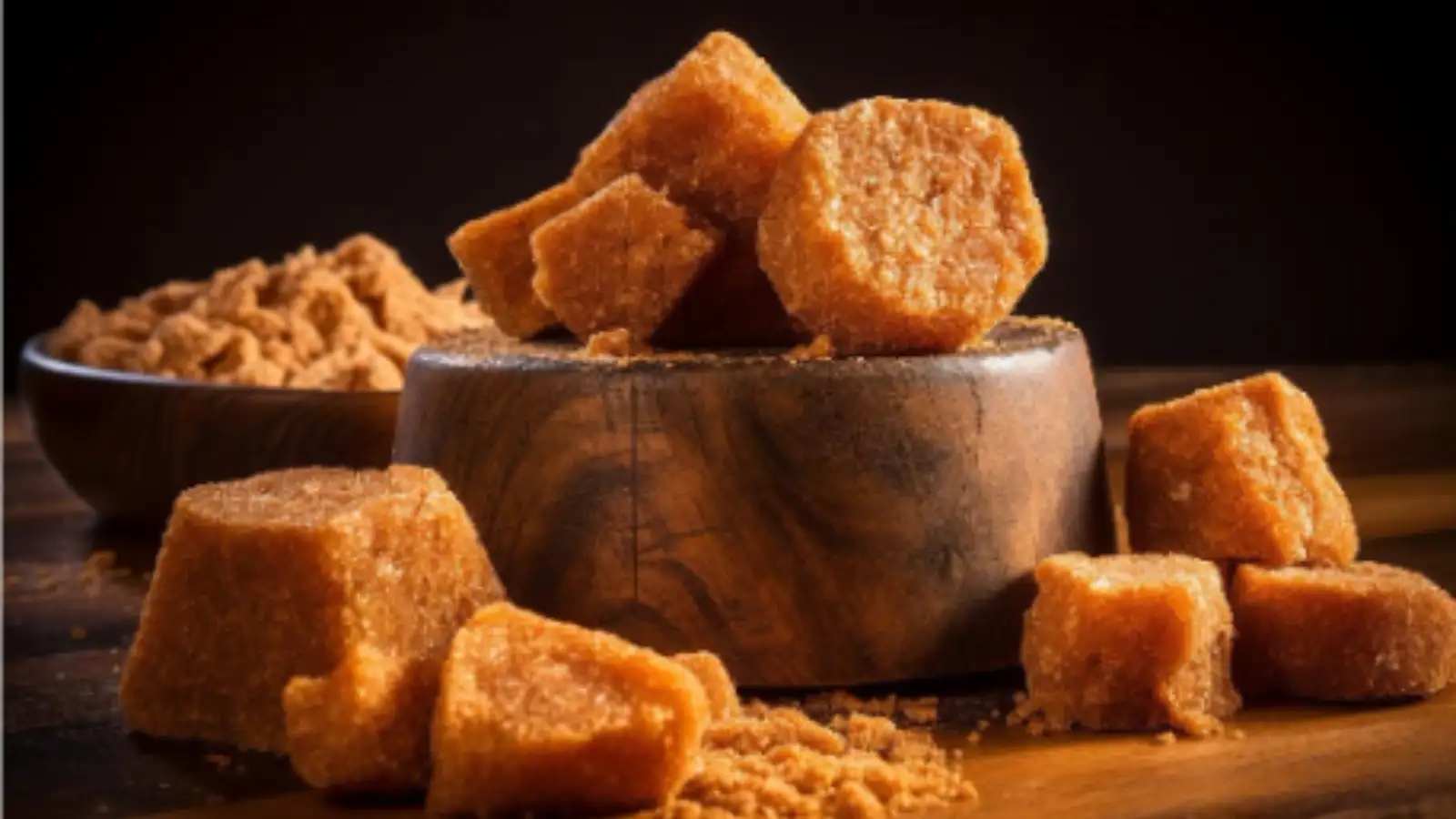
What Is Jaggery and Why Is It Popular?
Jaggery is an unrefined natural sweetener prepared from sugarcane juice or palm sap. Unlike refined sugar, it retains small amounts of minerals such as iron and is often used in sweets, drinks, and home remedies. Many households also include it in daily diets as a natural alternative to processed sugar.
Because it is minimally processed, jaggery is more sensitive to environmental conditions like heat and moisture, which is why proper storage becomes especially important during summer.
Can Jaggery Spoil in Summer ?
Jaggery does not spoil easily, but hot and humid weather can affect its texture and quality. Excess moisture may cause it to become sticky or encourage mould growth if it is not stored correctly. Insects may also be attracted to jaggery if it is left uncovered.
However, these issues can easily be avoided by storing it properly in the kitchen.
Best Way to Store Jaggery in Summer
To keep jaggery fresh during hot weather, storage plays a key role. Here are some effective methods:
These simple steps can significantly extend the shelf life of jaggery during summer.
Break Large Blocks for Better Storage
Large blocks of jaggery sometimes trap moisture inside. A helpful trick is to break them into smaller pieces before storing them.
Also, always handle jaggery with dry hands or a dry spoon, as even small amounts of water can encourage mould formation.
How Long Can Jaggery Last?
When stored properly, jaggery can remain fresh for a long time.
Before using stored jaggery, check for signs of spoilage such as:
A slightly hardened texture is normal and does not mean the jaggery has gone bad.
Is It Safe to Eat Jaggery in Summer?
Eating jaggery in summer is generally safe when consumed in moderation. It provides quick energy and contains small amounts of beneficial minerals.
However, traditional dietary practices consider jaggery a “warming” food. Consuming too much during extremely hot weather may cause discomfort for some people. Many prefer to eat it in small quantities or pair it with cooling foods like buttermilk or fennel seeds after meals.
Jaggery does not need to be avoided during the summer months. With the right storage methods - keeping it dry, airtight, and away from heat - you can safely store and enjoy it throughout the season. Proper handling and simple kitchen practices can help maintain its taste, texture, and nutritional value for months.
What Is Jaggery and Why Is It Popular?
Jaggery is an unrefined natural sweetener prepared from sugarcane juice or palm sap. Unlike refined sugar, it retains small amounts of minerals such as iron and is often used in sweets, drinks, and home remedies. Many households also include it in daily diets as a natural alternative to processed sugar.
Because it is minimally processed, jaggery is more sensitive to environmental conditions like heat and moisture, which is why proper storage becomes especially important during summer.
Can Jaggery Spoil in Summer ?
Jaggery does not spoil easily, but hot and humid weather can affect its texture and quality. Excess moisture may cause it to become sticky or encourage mould growth if it is not stored correctly. Insects may also be attracted to jaggery if it is left uncovered.
However, these issues can easily be avoided by storing it properly in the kitchen.
Best Way to Store Jaggery in Summer
To keep jaggery fresh during hot weather, storage plays a key role. Here are some effective methods:
- Use airtight containers: Store jaggery in airtight glass or stainless steel containers to keep out moisture and insects.
- Choose a cool and dry place: Keep the container away from direct sunlight and heat sources like gas stoves.
- Wrap before storing: Wrapping jaggery in paper or cloth before placing it in the container helps absorb excess moisture.
- Refrigerate in humid climates: If the weather is extremely humid, storing jaggery in the refrigerator can help maintain its quality.
These simple steps can significantly extend the shelf life of jaggery during summer.
Break Large Blocks for Better Storage
Large blocks of jaggery sometimes trap moisture inside. A helpful trick is to break them into smaller pieces before storing them.
- Smaller pieces stay drier.
- They are easier to use in daily cooking.
- They reduce the chances of moisture buildup inside the block.
Also, always handle jaggery with dry hands or a dry spoon, as even small amounts of water can encourage mould formation.
How Long Can Jaggery Last?
When stored properly, jaggery can remain fresh for a long time.
- At room temperature, it usually lasts six months to one year if kept dry and sealed.
- Refrigeration can further extend its shelf life.
Before using stored jaggery, check for signs of spoilage such as:
- Unusual smell
- Visible mould
- Slimy or overly sticky texture
A slightly hardened texture is normal and does not mean the jaggery has gone bad.
Is It Safe to Eat Jaggery in Summer?
Eating jaggery in summer is generally safe when consumed in moderation. It provides quick energy and contains small amounts of beneficial minerals.
However, traditional dietary practices consider jaggery a “warming” food. Consuming too much during extremely hot weather may cause discomfort for some people. Many prefer to eat it in small quantities or pair it with cooling foods like buttermilk or fennel seeds after meals.
Jaggery does not need to be avoided during the summer months. With the right storage methods - keeping it dry, airtight, and away from heat - you can safely store and enjoy it throughout the season. Proper handling and simple kitchen practices can help maintain its taste, texture, and nutritional value for months.
Next Story