
What Is Bambara Groundnut? Discover This Nutritious African Legume and Its Uses in Vegetarian Food

Bambara groundnut is a traditional legume widely grown and consumed in parts of Africa. Despite its name, it is not a true groundnut or peanut but a separate crop that produces edible seeds underground. Known for its earthy flavour and firm texture, it has been used in traditional meals for generations. It can be boiled, roasted, ground into flour or added to different dishes. Its ability to grow in challenging conditions has also made it an important crop for farming communities. From hearty stews to simple snacks, Bambara groundnut offers several possibilities for vegetarian cooking.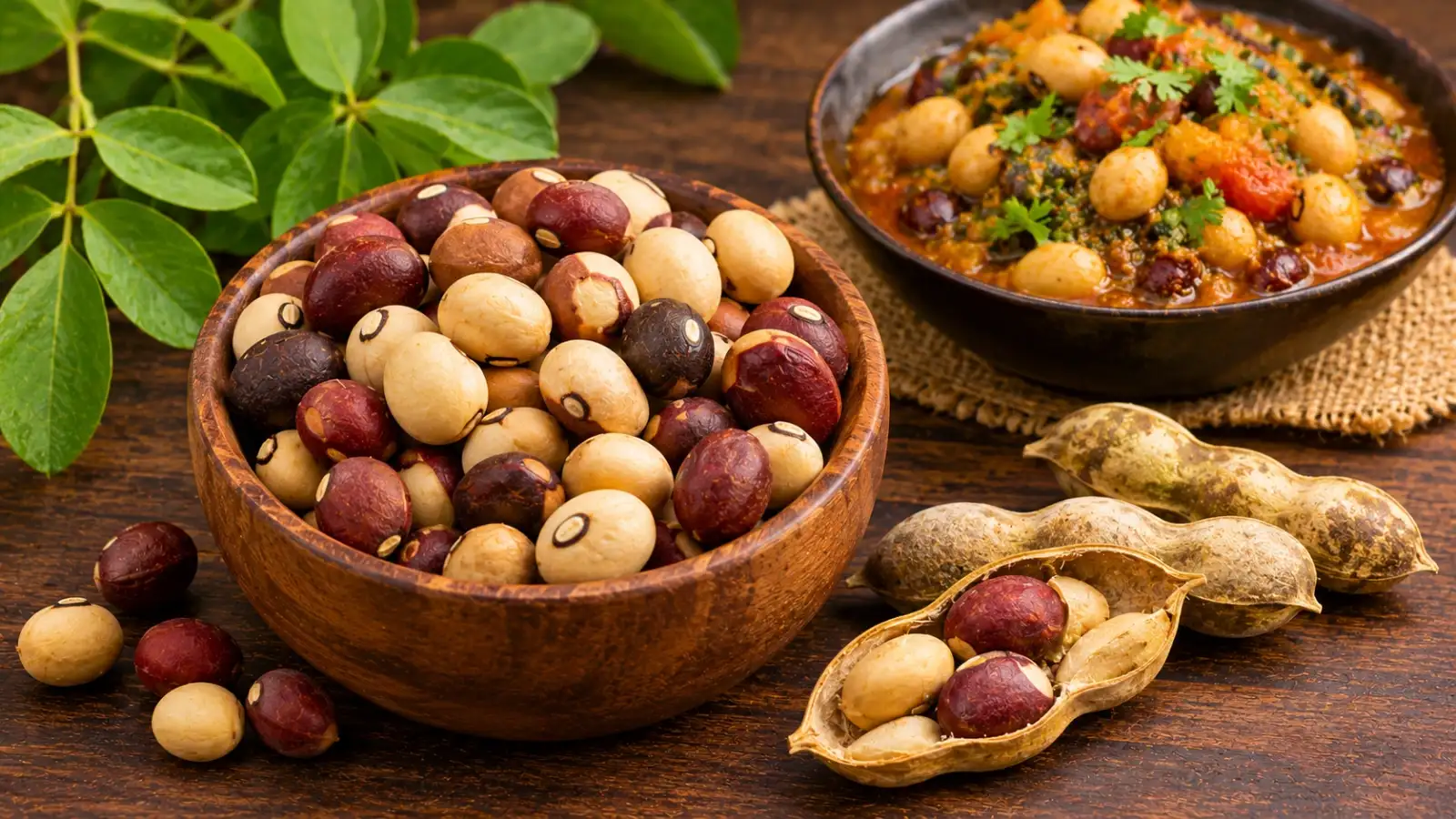
What Is Bambara Groundnut?
Bambara groundnut, scientifically known as Vigna subterranea , is an edible legume belonging to the same botanical family as beans and peas. It is native to Africa and is particularly associated with traditional farming and food cultures in countries such as Nigeria, Ghana, Burkina Faso and Cameroon.
The plant produces pods underground, similar to peanuts. These pods contain round or oval seeds that can vary in colour, including cream, brown, red, black and patterned varieties.
The seeds have a mild, earthy and slightly nutty flavour. When cooked, they develop a firm yet creamy texture, making them suitable for several vegetarian preparations.
Why Is Bambara Groundnut Important?
Bambara groundnut is valued not only as a traditional food but also as an adaptable agricultural crop.
How Is Bambara Groundnut Used in Vegetarian Food?
1. Boiled Bambara Groundnut
One of the simplest ways to prepare Bambara groundnut is by boiling the seeds until tender. Dried seeds are usually soaked overnight before cooking to reduce the cooking time.
They can be boiled with water and a little salt, then served as a filling snack or side dish. Some households enjoy them with vegetables, sauces or other traditional accompaniments.
2. Bambara Groundnut Porridge
Bambara groundnut can be used to prepare a thick and comforting porridge. The seeds are soaked, cooked until soft and sometimes mashed or blended to create a smooth consistency.
Depending on the regional recipe, ingredients such as onions, tomatoes, peppers and spices can be added. This savoury preparation makes a satisfying vegetarian meal.
3. Bambara Groundnut Flour
Dried Bambara groundnut seeds can be ground into flour and used in different traditional recipes. The flour can be added to porridges, batters and selected baked preparations.
It can also be combined with other plant-based flours to create a different flavour and texture. Since it does not behave exactly like wheat flour, recipes may need adjustments to achieve the desired consistency.
4. Bambara Groundnut Stew
Cooked Bambara groundnut can be added to a vegetable stew with tomatoes, onions, peppers and spices. Its firm texture works well with thick gravies and sauces.
Vegetables such as carrots, spinach, pumpkin and aubergine can also be included. The result is a hearty vegetarian dish that can be served with rice or other staple foods.
5. Roasted Bambara Groundnut Snacks
Roasting is another way to enjoy this legume. Properly prepared seeds can be roasted until they develop a deeper, nutty flavour.
They can be seasoned with salt, mild spices or chilli powder to create a savoury snack. Roasting time depends on whether the seeds are fresh or dried and how they have been prepared.
6. Bambara Groundnut Patties
Cooked and mashed Bambara groundnut can be combined with chopped onions, coriander, grated vegetables and spices to prepare vegetarian patties.
A little flour or another suitable binding ingredient can help hold the mixture together. Shape the mixture into small patties and shallow-fry them until golden on both sides. Serve with mint chutney or a tomato dip.
7. Bambara Groundnut and Vegetable Salad
Cooked and cooled Bambara groundnut can be used as the base for a nutritious salad. Combine it with chopped cucumber, tomatoes, onions, coriander and lemon juice.
Add roasted cumin powder, black pepper and a little salt for flavour. This preparation is particularly useful when you want to include legumes in a light meal.
8. Bambara Groundnut Soup
The seeds can also be cooked into a thick vegetarian soup. Simmer them with vegetables, onions, garlic and mild spices until everything becomes tender.
Some of the cooked seeds can be mashed or blended to thicken the soup naturally. Add fresh herbs before serving for extra flavour.
How to Prepare Bambara Groundnut Before Cooking
Dried Bambara groundnut generally requires preparation before it can be used in recipes.
Bambara groundnut is an interesting traditional legume that deserves more attention in discussions about vegetarian food. Its earthy flavour, nutritional content and versatility make it suitable for porridge, stews, soups, snacks and flour-based preparations. Although it remains more familiar in African food traditions, its different cooking possibilities can inspire anyone interested in exploring lesser-known plant-based ingredients. Trying Bambara groundnut is also a way to discover the food heritage of communities that have cultivated and enjoyed it for generations.
What Is Bambara Groundnut?
Bambara groundnut, scientifically known as Vigna subterranea , is an edible legume belonging to the same botanical family as beans and peas. It is native to Africa and is particularly associated with traditional farming and food cultures in countries such as Nigeria, Ghana, Burkina Faso and Cameroon.
The plant produces pods underground, similar to peanuts. These pods contain round or oval seeds that can vary in colour, including cream, brown, red, black and patterned varieties.
The seeds have a mild, earthy and slightly nutty flavour. When cooked, they develop a firm yet creamy texture, making them suitable for several vegetarian preparations.
Why Is Bambara Groundnut Important?
Bambara groundnut is valued not only as a traditional food but also as an adaptable agricultural crop.
- Plant-based protein: The seeds contain protein, making them a useful ingredient in vegetarian diets.
- Dietary fibre: They provide fibre, which contributes to a balanced eating pattern.
- Energy source: Their carbohydrate and fat content makes them an energy-rich legume.
- Growing adaptability: The crop can tolerate relatively dry conditions and grow in soils where some other crops may struggle.
- Traditional food value: It supports local food systems and farming communities in several parts of Africa.
How Is Bambara Groundnut Used in Vegetarian Food?
1. Boiled Bambara Groundnut
One of the simplest ways to prepare Bambara groundnut is by boiling the seeds until tender. Dried seeds are usually soaked overnight before cooking to reduce the cooking time.
They can be boiled with water and a little salt, then served as a filling snack or side dish. Some households enjoy them with vegetables, sauces or other traditional accompaniments.
2. Bambara Groundnut Porridge
Bambara groundnut can be used to prepare a thick and comforting porridge. The seeds are soaked, cooked until soft and sometimes mashed or blended to create a smooth consistency.
Depending on the regional recipe, ingredients such as onions, tomatoes, peppers and spices can be added. This savoury preparation makes a satisfying vegetarian meal.
3. Bambara Groundnut Flour
Dried Bambara groundnut seeds can be ground into flour and used in different traditional recipes. The flour can be added to porridges, batters and selected baked preparations.
It can also be combined with other plant-based flours to create a different flavour and texture. Since it does not behave exactly like wheat flour, recipes may need adjustments to achieve the desired consistency.
4. Bambara Groundnut Stew
Cooked Bambara groundnut can be added to a vegetable stew with tomatoes, onions, peppers and spices. Its firm texture works well with thick gravies and sauces.
Vegetables such as carrots, spinach, pumpkin and aubergine can also be included. The result is a hearty vegetarian dish that can be served with rice or other staple foods.
5. Roasted Bambara Groundnut Snacks
Roasting is another way to enjoy this legume. Properly prepared seeds can be roasted until they develop a deeper, nutty flavour.
They can be seasoned with salt, mild spices or chilli powder to create a savoury snack. Roasting time depends on whether the seeds are fresh or dried and how they have been prepared.
6. Bambara Groundnut Patties
Cooked and mashed Bambara groundnut can be combined with chopped onions, coriander, grated vegetables and spices to prepare vegetarian patties.
A little flour or another suitable binding ingredient can help hold the mixture together. Shape the mixture into small patties and shallow-fry them until golden on both sides. Serve with mint chutney or a tomato dip.
7. Bambara Groundnut and Vegetable Salad
Cooked and cooled Bambara groundnut can be used as the base for a nutritious salad. Combine it with chopped cucumber, tomatoes, onions, coriander and lemon juice.
Add roasted cumin powder, black pepper and a little salt for flavour. This preparation is particularly useful when you want to include legumes in a light meal.
8. Bambara Groundnut Soup
The seeds can also be cooked into a thick vegetarian soup. Simmer them with vegetables, onions, garlic and mild spices until everything becomes tender.
Some of the cooked seeds can be mashed or blended to thicken the soup naturally. Add fresh herbs before serving for extra flavour.
How to Prepare Bambara Groundnut Before Cooking
Dried Bambara groundnut generally requires preparation before it can be used in recipes.
- Remove any damaged seeds or foreign particles.
- Wash the seeds thoroughly under clean running water.
- Soak them in plenty of water for several hours or overnight.
- Drain the soaking water and rinse the seeds again.
- Cook them in fresh water until completely tender before adding them to other dishes.
Bambara groundnut is an interesting traditional legume that deserves more attention in discussions about vegetarian food. Its earthy flavour, nutritional content and versatility make it suitable for porridge, stews, soups, snacks and flour-based preparations. Although it remains more familiar in African food traditions, its different cooking possibilities can inspire anyone interested in exploring lesser-known plant-based ingredients. Trying Bambara groundnut is also a way to discover the food heritage of communities that have cultivated and enjoyed it for generations.
Next Story