
Why Does Late-Night Scrolling Somehow Turn Into Online Shopping?

It is 12:37 am. You have already spent half an hour scrolling through Instagram, watched a few videos and convinced yourself that you should probably go to sleep. Then you open a shopping app. Suddenly, you are comparing headphones, looking at clothes you did not know existed and adding products to your cart that seem absolutely essential at this particular moment. By morning, some of those purchases may not feel quite as exciting. Why does this happen? The phrase ' bedtime revenge spending ' describes an informal pattern of shopping late at night, often as a way to unwind or reward yourself after a demanding day. It is not a formal psychological diagnosis, but it captures a familiar combination of late-night scrolling and impulse buying .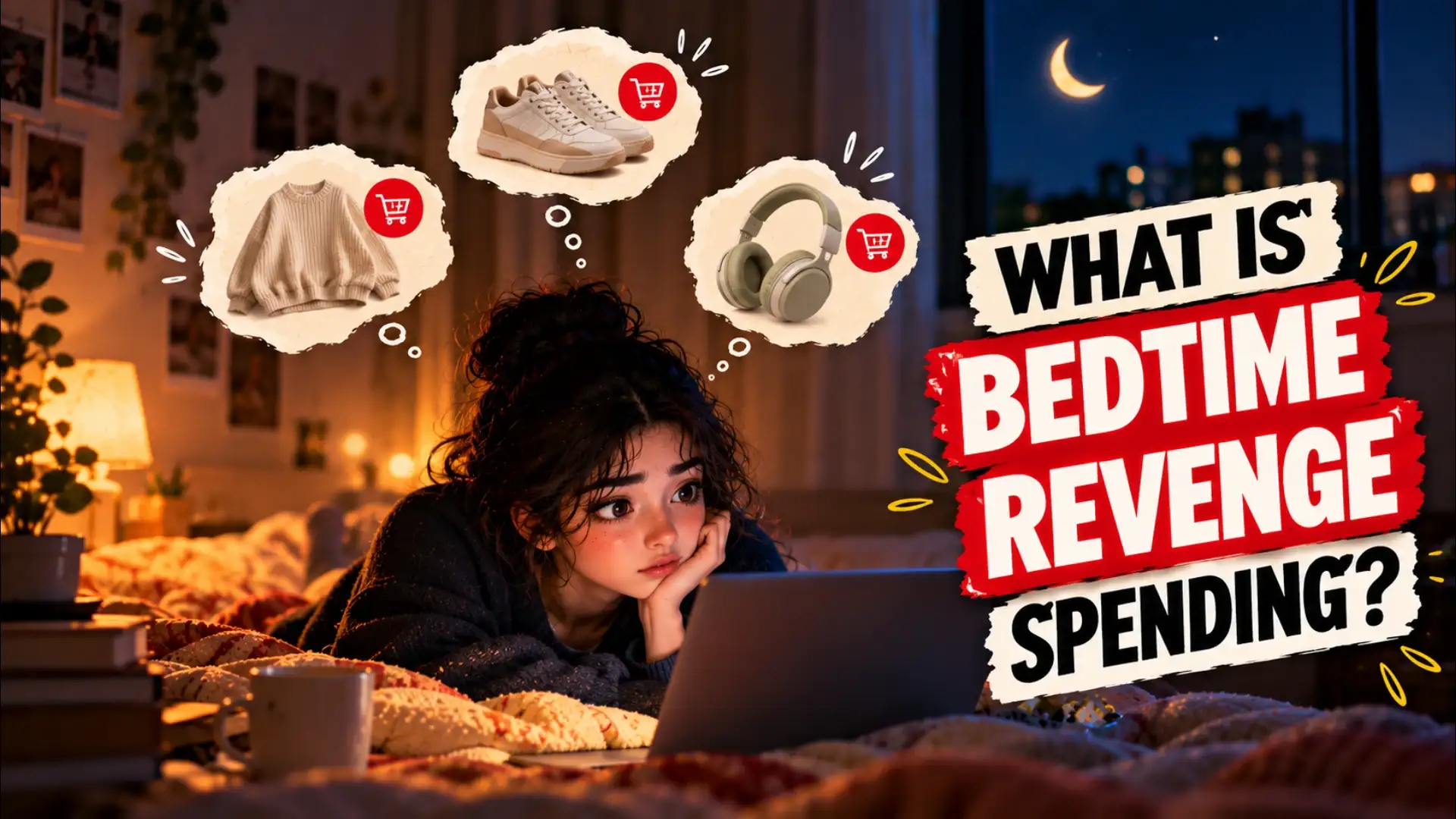
That quiet period can make shopping feel like entertainment rather than a financial decision. You are not necessarily looking for something you need. You may simply enjoy discovering products, imagining how you would use them or anticipating the arrival of a package.
The problem is that the reward is immediate, while the cost may feel less important in the moment. Online stores make this especially easy. Saved payment details, one-click checkout and personalised recommendations reduce the effort between seeing a product and buying it.
This does not mean everyone makes poor decisions at night. However, fatigue and distraction can make it harder to stick to spending limits, particularly when shopping has become a way to relax.
That is why a useful question to ask yourself is whether you want the product or simply enjoy the feeling of buying it.
Most importantly, find other ways to unwind that do not automatically involve buying something. Sometimes, the midnight urge to shop is less about needing another product and more about wanting a small reward after a long day. Recognising the difference can help you enjoy your evenings without waking up to a bill full of purchases you barely remember making.
Why Everything Feels More Appealing At Night
During the day, your attention is divided between work, messages, errands and other responsibilities. Shopping may be the last thing on your mind. At night, those demands begin to fade. You finally have time to browse without feeling that you should be doing something else.That quiet period can make shopping feel like entertainment rather than a financial decision. You are not necessarily looking for something you need. You may simply enjoy discovering products, imagining how you would use them or anticipating the arrival of a package.
The Purchase Can Feel Like A Reward
After a long day, buying something can feel like a small treat. Perhaps you have finished a difficult project, dealt with an exhausting commute or spent hours meeting other people's expectations. Ordering something for yourself can create a brief feeling of pleasure or control.The problem is that the reward is immediate, while the cost may feel less important in the moment. Online stores make this especially easy. Saved payment details, one-click checkout and personalised recommendations reduce the effort between seeing a product and buying it.
Tiredness Can Make It Harder To Pause
Late at night, you may also be less willing to spend time weighing up a purchase. When you are tired, checking your budget, comparing alternatives or asking whether you genuinely need something can feel like unnecessary work. A tempting product and an easy checkout process can make the quicker option seem more attractive.This does not mean everyone makes poor decisions at night. However, fatigue and distraction can make it harder to stick to spending limits, particularly when shopping has become a way to relax.
Why You May Regret It In The Morning
The next day, the circumstances changed. You can see the purchase more clearly, remember the other expenses coming up and realise that the item was not particularly important. The excitement that accompanied the order may have faded.That is why a useful question to ask yourself is whether you want the product or simply enjoy the feeling of buying it.
How To Avoid Unplanned Midnight Purchases
You do not have to stop browsing altogether. Try adding items to a wishlist instead of purchasing them immediately, then review the list the following day. Removing saved payment details can introduce a little friction, while setting a monthly limit for non-essential shopping can make spending easier to manage.Most importantly, find other ways to unwind that do not automatically involve buying something. Sometimes, the midnight urge to shop is less about needing another product and more about wanting a small reward after a long day. Recognising the difference can help you enjoy your evenings without waking up to a bill full of purchases you barely remember making.
Next Story