
Why Are Workers Choosing Their Most Productive Hours Instead Of A Fixed Schedule?

Some people wake up at 6 am feeling ready to tackle their to-do list. Others struggle to concentrate before their second coffee but become remarkably productive later in the day. Yet many workplaces expect everyone to follow the same schedule, regardless of when they feel most alert. This is where chronoworking comes in. The term describes an approach to work that takes individual body clocks, energy patterns and preferred working times into account. Instead of assuming that everyone works best from 9 am to 5 pm, chronoworking explores whether schedules can be organised around when people are most likely to perform well.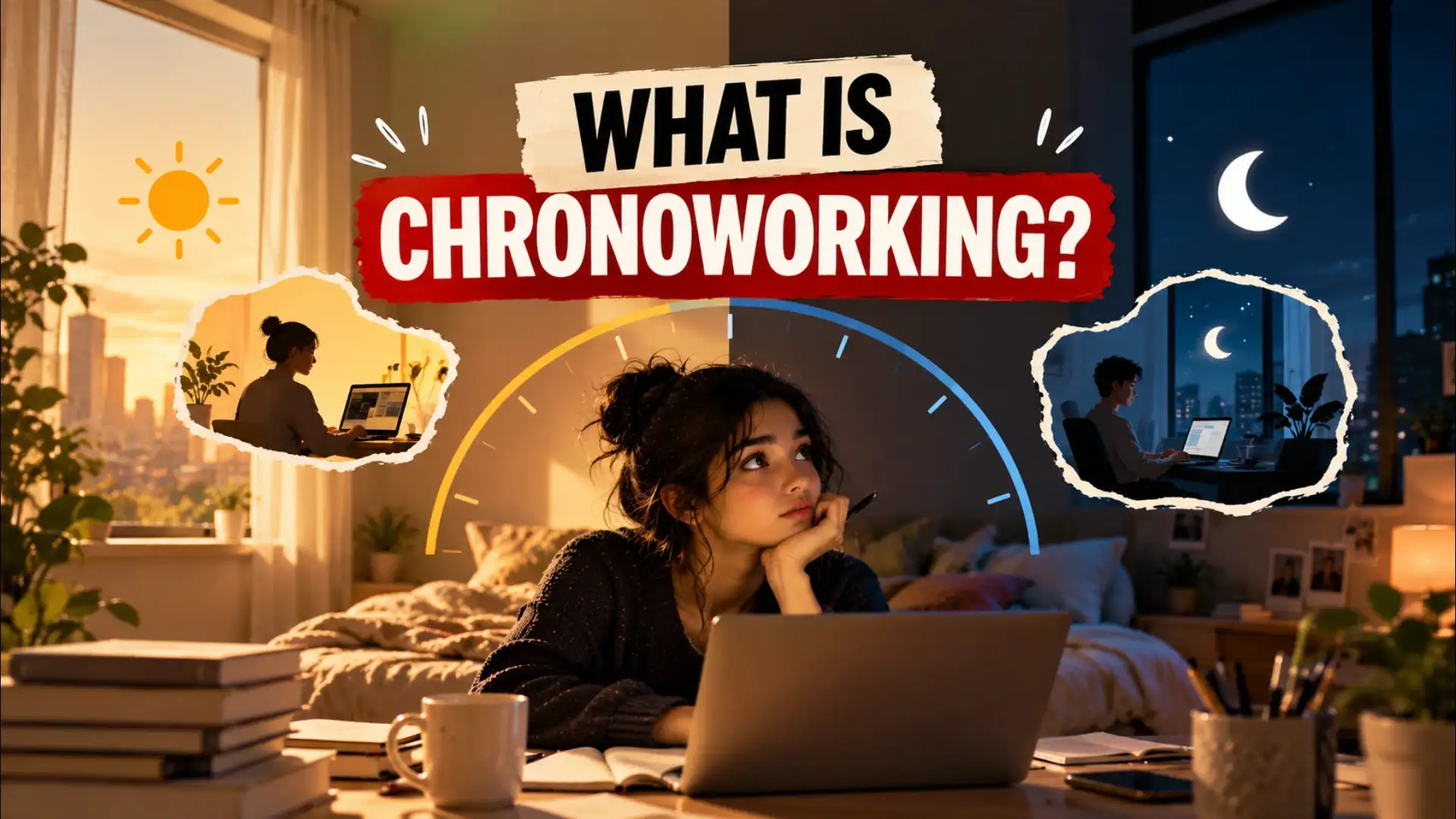
These preferences are often described in terms of chronotypes . Chronoworking draws on the idea that work may be easier to manage when demanding activities align with a person's natural periods of alertness, where the job allows it. It does not mean everyone should work late at night. Nor does it mean an individual can always choose their hours without considering colleagues or business needs.
Another person may find that focused work becomes easier in the afternoon, yet their schedule is packed with early meetings. Chronoworking raises a simple question: could some of these tasks be arranged differently?
Some workplaces may allow employees to reserve their most alert hours for demanding work and schedule routine tasks for periods when concentration tends to dip. The aim is not to eliminate structure. It is to make the structure more compatible with individual working patterns.
There is also a difference between working at a preferred time and working without enough sleep. Shifting work later into the night can be counterproductive if it reduces rest or conflicts with family responsibilities. For flexible schedules to work, expectations need to be clear. Employees still need reasonable workloads, agreed availability and enough time to recover between workdays.
Where employers have room to offer flexibility, understanding individual energy patterns can help them organise tasks more thoughtfully. Because productivity is not simply about starting earlier or staying later. It is also about finding a workable balance between the demands of a job, the needs of a team and the hours when a person can concentrate effectively.
Not Everyone Has The Same Body Clock
People differ in their natural sleep and wake preferences. Some are morning-orientated and find it easier to concentrate early in the day. Others feel more alert later and may struggle with demanding tasks first thing in the morning.These preferences are often described in terms of chronotypes . Chronoworking draws on the idea that work may be easier to manage when demanding activities align with a person's natural periods of alertness, where the job allows it. It does not mean everyone should work late at night. Nor does it mean an individual can always choose their hours without considering colleagues or business needs.
Why The Traditional Schedule Does Not Work For Everyone
A fixed workday can be practical for teams that need to collaborate at the same time. But it can also leave some people working during hours when they find concentration difficult. Imagine someone who does their best creative work in the morning but spends that period travelling to the office. By the time they sit down to work, their most productive window may already have passed.Another person may find that focused work becomes easier in the afternoon, yet their schedule is packed with early meetings. Chronoworking raises a simple question: could some of these tasks be arranged differently?
You may also like
- Can mitochondrial DNA affect fertility? What women should know about maternal genetic inheritance, egg quality and IVF outcomes
- Barbie pink, bows and a world beyond boxes: péro opens Lakmē Fashion Week with a playful twist
- Why Are Babies Given a Vitamin K Injection at Birth?
- India's Hidden Volcanic Wonder: Discover Barren Island, Home to South Asia's Only Active Volcano
- Prostate Cancer Awareness Gap: Why Thousands of Men May Be Overlooking Their Risk
What Chronoworking Looks Like In Practice
The approach can take different forms depending on the workplace. An employee might start earlier and finish earlier. Someone else may begin later, provided they remain available for essential team meetings.Some workplaces may allow employees to reserve their most alert hours for demanding work and schedule routine tasks for periods when concentration tends to dip. The aim is not to eliminate structure. It is to make the structure more compatible with individual working patterns.
Flexibility Does Not Automatically Mean Better Productivity
Chronoworking sounds appealing, but it has limitations. Many jobs require fixed coverage, shift handovers, customer availability or close coordination with other people. A schedule that suits one employee may not suit the rest of the team.There is also a difference between working at a preferred time and working without enough sleep. Shifting work later into the night can be counterproductive if it reduces rest or conflicts with family responsibilities. For flexible schedules to work, expectations need to be clear. Employees still need reasonable workloads, agreed availability and enough time to recover between workdays.
Is Chronoworking The Future Of Work ?
For some roles, flexible scheduling may offer a practical way to improve the working day. For others, fixed hours remain necessary. The more useful lesson is that being present at a desk for a particular number of hours is not always the same as doing your best work.Where employers have room to offer flexibility, understanding individual energy patterns can help them organise tasks more thoughtfully. Because productivity is not simply about starting earlier or staying later. It is also about finding a workable balance between the demands of a job, the needs of a team and the hours when a person can concentrate effectively.






Loving Newspoint? Download the app now
