
Why Is Coffee Badging Becoming a Talking Point in Hybrid Workplaces?

Some employees arrive at the office, greet colleagues, grab a coffee and head home after a short visit. This behaviour has a name: coffee badging . It raises an important question for modern workplaces: does being physically present for a few hours matter more than the work an employee actually delivers?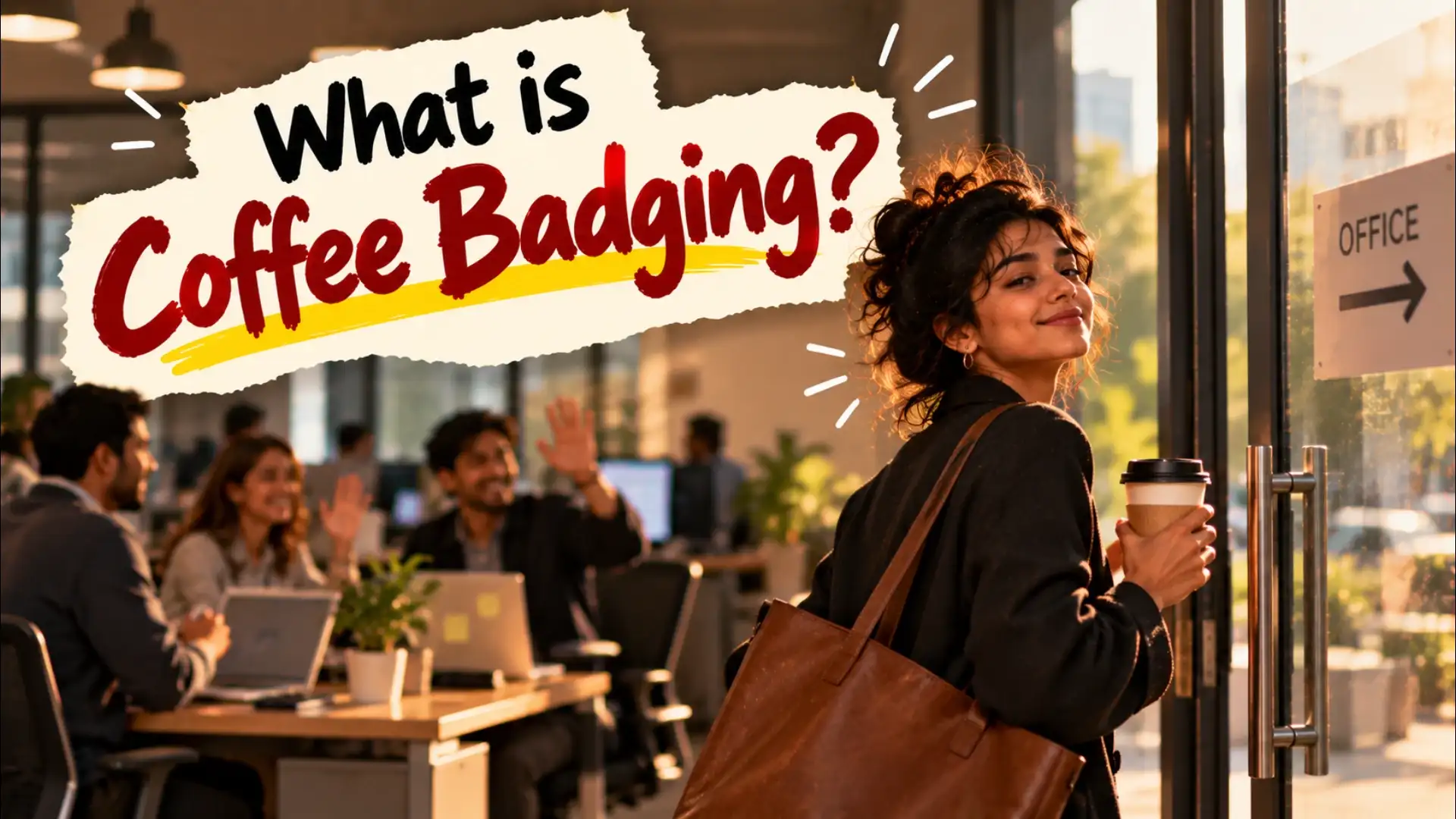
The term refers to showing up long enough to be noticed rather than spending the entire working day in the office. The behaviour is particularly associated with hybrid workplaces , where employees split their time between home and office.
A short visit does not automatically indicate that someone is avoiding work. Some employees may have legitimate scheduling needs or may only need to attend a specific meeting in person. The term generally describes the pattern of making a brief appearance to demonstrate office attendance .
Others value the opportunity to connect with colleagues in person but prefer to complete focused tasks at home. Long commutes, family responsibilities and the cost of travelling to the workplace can also influence how employees approach office days. When the purpose of office attendance is unclear, workers may see little reason to remain in the building for an entire day.
For employers, frequent short visits may make it difficult to plan team activities or ensure that employees are available for in-person discussions. However, simply requiring longer office hours may not solve the underlying problem.
Organisations need to understand why employees prefer brief visits before deciding how to respond. The issue may involve unclear policies, ineffective meetings or a lack of trust.
Clear attendance policies, purposeful office days and an emphasis on results can help organisations create more effective hybrid arrangements. Employees are more likely to see value in office visits when those visits offer genuine opportunities for teamwork, learning and collaboration.
Ultimately, the goal should be to make office attendance useful rather than treating physical presence as proof of productivity.
How Coffee Badging Works in Hybrid Offices
Coffee badging usually involves visiting the workplace for a short period, interacting with colleagues or attending a quick meeting before leaving. Employees may then continue their work remotely.The term refers to showing up long enough to be noticed rather than spending the entire working day in the office. The behaviour is particularly associated with hybrid workplaces , where employees split their time between home and office.
A short visit does not automatically indicate that someone is avoiding work. Some employees may have legitimate scheduling needs or may only need to attend a specific meeting in person. The term generally describes the pattern of making a brief appearance to demonstrate office attendance .
Why Are Employees Doing It?
Some employees feel that office attendance matters to their managers even when their work can be completed remotely. A short visit may help them satisfy attendance expectations, maintain visibility or avoid questions about their location.You may also like
- Bigg Boss 20: Did Munawar Faruqui Mock ScoutOP and Love Gill Over Their Close Bond?
- In 1687, Isaac Newton published the book that explained gravity, with Edmond Halley paying for its printing; after passing through a British lord's family, a first edition sold for Rs 5.49 crore in 2026
- The Rising Trend of Rib Remodeling Surgery: Risks and Realities
- Tiger Shroff Is Doing Well, Indicates Mother Ayesha Shroff After Firing Incident
- An 1833 book captured Varanasi's ghats, temples and everyday life in 34 illustrations; nearly 193 years later, a signed copy of James Prinsep's rare work sold for Rs 36.76 lakh against a Rs 10 lakh high estimate
Others value the opportunity to connect with colleagues in person but prefer to complete focused tasks at home. Long commutes, family responsibilities and the cost of travelling to the workplace can also influence how employees approach office days. When the purpose of office attendance is unclear, workers may see little reason to remain in the building for an entire day.
Is Coffee Badging a Workplace Problem?
Coffee badging can reveal a disconnect between company policies and employee expectations. When workers feel obliged to appear in the office without a clear purpose, attendance can become more about visibility than collaboration.For employers, frequent short visits may make it difficult to plan team activities or ensure that employees are available for in-person discussions. However, simply requiring longer office hours may not solve the underlying problem.
Organisations need to understand why employees prefer brief visits before deciding how to respond. The issue may involve unclear policies, ineffective meetings or a lack of trust.
What Does It Say About Hybrid Work?
Coffee badging raises questions about how employers measure productivity. Time spent at a desk does not necessarily reflect the quality or quantity of work completed.Clear attendance policies, purposeful office days and an emphasis on results can help organisations create more effective hybrid arrangements. Employees are more likely to see value in office visits when those visits offer genuine opportunities for teamwork, learning and collaboration.
Ultimately, the goal should be to make office attendance useful rather than treating physical presence as proof of productivity.






Loving Newspoint? Download the app now
