
Dark Tourism Explained: Why More Travellers Are Exploring Places Linked to Tragedy and History

Travel is often associated with beautiful landscapes, relaxing holidays and exciting adventures. However, some travellers choose destinations connected with painful historical events, wars, disasters and human tragedies. This form of travel is known as dark tourism . It includes visits to former prisons, battlefields, memorials, disaster sites and museums that preserve difficult chapters of history. Although the subject can be unsettling, these places offer opportunities to learn about the past, understand human experiences and reflect on historical events. Dark tourism has attracted attention because it combines travel with education, remembrance and a deeper exploration of the world.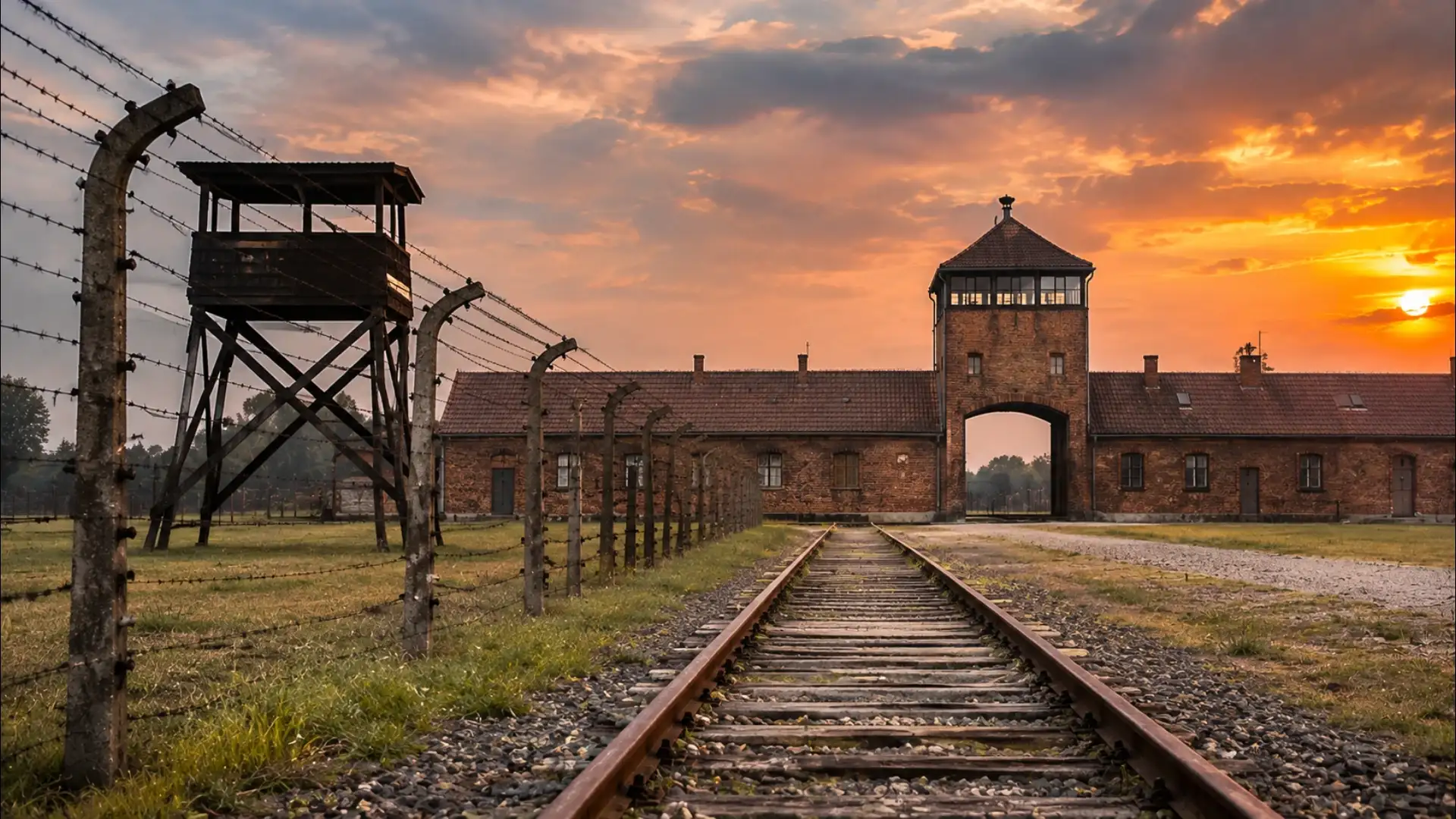
These destinations can include former concentration camps, war memorials, abandoned disaster zones, execution sites and museums dedicated to tragic events. Some places are preserved as reminders of historical mistakes, while others help visitors understand the consequences of conflict, discrimination and natural disasters.
Dark tourism is not necessarily about entertainment or fascination with suffering. For many visitors, it is an opportunity to understand history and pay respect to those affected by tragic events.
For example, visiting a former battlefield or a memorial can provide a deeper perspective on the lives affected by war.
Places such as the Auschwitz-Birkenau Memorial and Museum in Poland are visited by people who want to understand the Holocaust and honour those who suffered.
Museums and memorials often present personal stories, photographs and historical records that explain how particular events unfolded. These experiences can help visitors understand why remembering the past matters.
Such visits may include former prisons, abandoned industrial sites, disaster memorials and historical museums.
Visitors should follow local rules, avoid inappropriate photographs, respect memorial spaces and listen to the experiences of affected communities. It is also important to choose guided tours and educational institutions that present historical information responsibly.
Dark tourism offers a different way to explore the world by focusing on places connected with difficult moments in history. It allows travellers to understand past events, remember victims and reflect on their wider consequences. However, these visits require sensitivity and respect. When approached thoughtfully, dark tourism can become a meaningful learning experience rather than simply another travel trend.
What Is Dark Tourism ?
Dark tourism refers to travelling to places associated with death, suffering, tragedy or historical disasters. The term is used to describe visits to locations where significant events involving loss of life or human suffering have taken place.These destinations can include former concentration camps, war memorials, abandoned disaster zones, execution sites and museums dedicated to tragic events. Some places are preserved as reminders of historical mistakes, while others help visitors understand the consequences of conflict, discrimination and natural disasters.
Dark tourism is not necessarily about entertainment or fascination with suffering. For many visitors, it is an opportunity to understand history and pay respect to those affected by tragic events.
Why Are Travellers Interested in Dark Tourism?
1. Understanding Important Historical Events
One of the main reasons people visit dark tourism destinations is to learn about history beyond textbooks and documentaries. Walking through a preserved historical site can help visitors understand the scale and impact of an event.For example, visiting a former battlefield or a memorial can provide a deeper perspective on the lives affected by war.
2. Paying Respect to Victims
Many dark tourism destinations serve as memorials for people who lost their lives during tragic events. Visitors often travel to these locations to remember victims and acknowledge their experiences.Places such as the Auschwitz-Birkenau Memorial and Museum in Poland are visited by people who want to understand the Holocaust and honour those who suffered.
3. Learning About Human Behaviour and Society
Dark tourism can encourage visitors to reflect on difficult questions about human behaviour, political decisions, discrimination and social responsibility.Museums and memorials often present personal stories, photographs and historical records that explain how particular events unfolded. These experiences can help visitors understand why remembering the past matters.
4. Exploring Places Rarely Included in Traditional Travel Guides
Some travellers prefer destinations that offer a different perspective on a country's history and culture. Dark tourism locations can reveal lesser-known stories about communities, conflicts and historical events.Such visits may include former prisons, abandoned industrial sites, disaster memorials and historical museums.
Famous Dark Tourism Destinations Around the World
Auschwitz-Birkenau, Poland
The Auschwitz-Birkenau Memorial and Museum preserves the site of the former Nazi concentration and extermination camps. It documents the Holocaust and the suffering of millions of victims. Visitors can explore preserved buildings, exhibitions and historical records.Chernobyl, Ukraine
The Chernobyl region became internationally known after the nuclear accident in 1986. The disaster led to the evacuation of nearby communities and long-term environmental consequences. Access to the exclusion zone is restricted and subject to official security conditions, so visitors should check current regulations before considering a visit.Ground Zero, New York, USA
The National September 11 Memorial and Museum in New York remembers the victims of the terrorist attacks of 11 September 2001. The site includes memorial pools, exhibitions and personal accounts that document the events and their impact.Hiroshima Peace Memorial Park, Japan
Hiroshima Peace Memorial Park commemorates the victims of the atomic bombing in 1945. The park includes the Atomic Bomb Dome and museums that explain the bombing, its consequences and the importance of peace.Tuol Sleng Genocide Museum, Cambodia
Located in Phnom Penh, Tuol Sleng was formerly a prison used by the Khmer Rouge regime. Today, it serves as a museum documenting the atrocities committed during Cambodia's period of genocide.Is Dark Tourism Ethical?
Dark tourism raises important questions about respect, privacy and responsible travel . While visiting historical tragedy sites can support education and remembrance, treating them as ordinary tourist attractions can be insensitive.Visitors should follow local rules, avoid inappropriate photographs, respect memorial spaces and listen to the experiences of affected communities. It is also important to choose guided tours and educational institutions that present historical information responsibly.
Dark tourism offers a different way to explore the world by focusing on places connected with difficult moments in history. It allows travellers to understand past events, remember victims and reflect on their wider consequences. However, these visits require sensitivity and respect. When approached thoughtfully, dark tourism can become a meaningful learning experience rather than simply another travel trend.
Next Story