
What Is Deinfluencing? Why The Internet Is Suddenly Telling Us What NOT To Buy

You open Instagram or TikTok and see the same product everywhere. Someone calls it a must-have, another person says it changed their life, and suddenly you are wondering whether you need it too. Then another creator appears and tells you not to buy it. Maybe the product is overpriced. Maybe a cheaper alternative works just as well. Or perhaps you do not need it at all. This is the basic idea behind deinfluencing , a social media trend that encourages people to question viral products instead of automatically buying into the hype.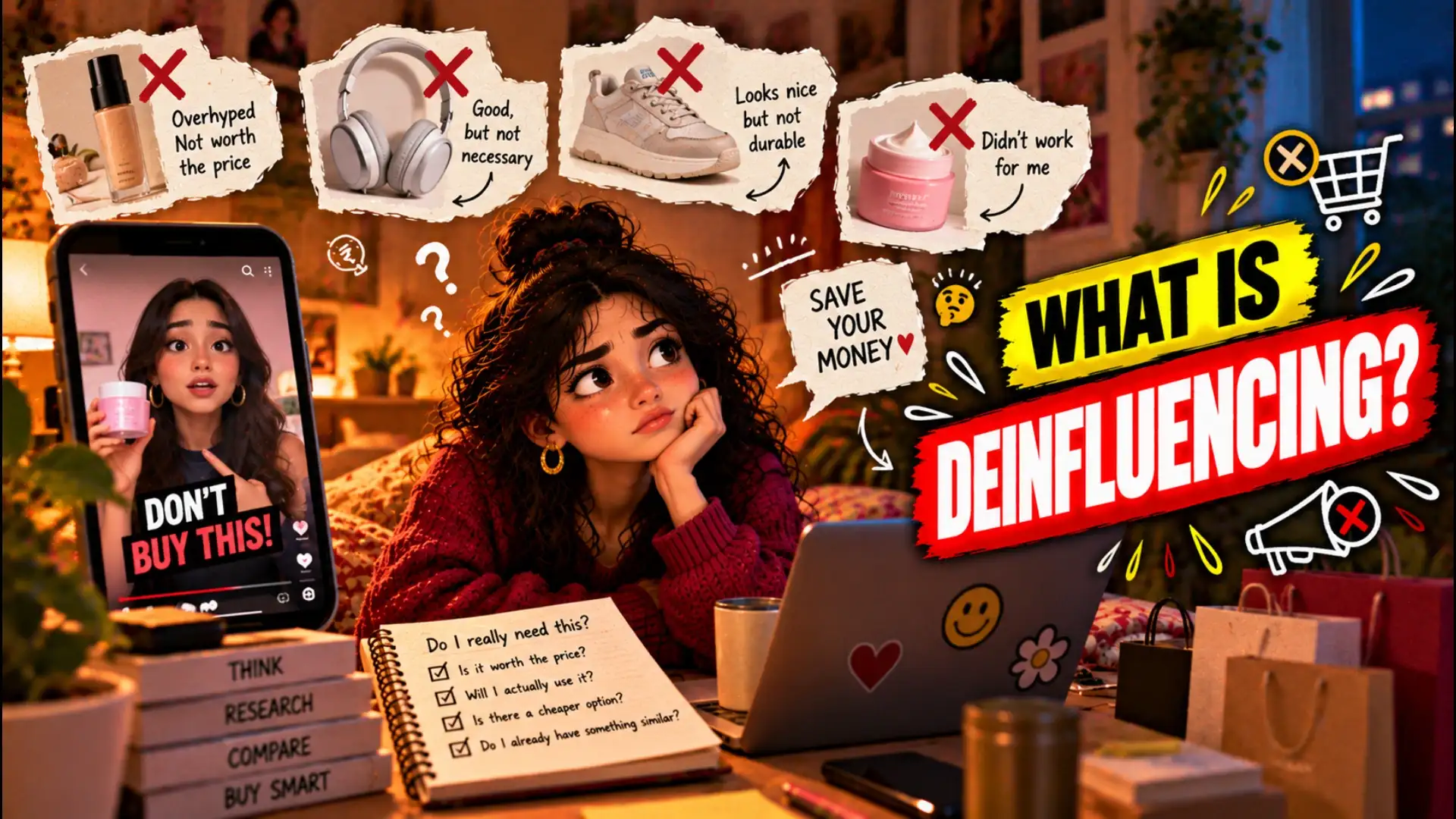
Creators may explain why a popular skincare product did not work for them, why a trending gadget is not worth its price or why people should use what they already own instead of buying another version.
Some also recommend alternatives that offer better value. The aim is not necessarily to reject every product or influencer recommendation. It is to encourage people to make more informed decisions rather than purchasing something simply because it is popular.
Keeping up can become expensive and exhausting. Deinfluencing appeals to people who are tired of feeling that their routines, wardrobes and homes are permanently missing something. It encourages a more useful question: do I actually need this, or have I simply seen it too many times?
Deinfluencing content can feel refreshing because it acknowledges drawbacks, discusses price and explains who might not benefit from a product. However, a negative review is still one person's opinion. A creator telling you not to buy something can be just as persuasive as one telling you to buy it. It is worth checking whether the criticism is specific, relevant to your needs and supported by useful information.
That small pause can prevent impulse purchases driven by urgency, popularity or fear of missing out. It can also help you separate a product's actual benefits from the excitement surrounding its launch.
The more useful distinction is between blindly following recommendations and making your own informed choices. Deinfluencing is most valuable when it gives people reasons to think, compare and decide for themselves. Because you do not need a new product every time the internet discovers one. Sometimes the smartest purchase is the one you decide you can comfortably skip.
What Exactly Is Deinfluencing?
Traditional influencer content often centres on recommendations, product launches and things viewers should consider buying. Deinfluencing takes the opposite approach.Creators may explain why a popular skincare product did not work for them, why a trending gadget is not worth its price or why people should use what they already own instead of buying another version.
Some also recommend alternatives that offer better value. The aim is not necessarily to reject every product or influencer recommendation. It is to encourage people to make more informed decisions rather than purchasing something simply because it is popular.
Why People Are Getting Tired Of Viral Products
Social media can make trends move incredibly quickly. A product becomes popular, thousands of people post about it, and within days it can feel as though everyone owns it. By the time you have considered buying it, another product may already be taking its place.Keeping up can become expensive and exhausting. Deinfluencing appeals to people who are tired of feeling that their routines, wardrobes and homes are permanently missing something. It encourages a more useful question: do I actually need this, or have I simply seen it too many times?
Trust Is A Big Part Of The Conversation
People often turn to creators because they want an honest opinion before spending money. But when recommendations are frequent, heavily promotional or linked to affiliate earnings, viewers may start wondering whether every glowing review is genuine.Deinfluencing content can feel refreshing because it acknowledges drawbacks, discusses price and explains who might not benefit from a product. However, a negative review is still one person's opinion. A creator telling you not to buy something can be just as persuasive as one telling you to buy it. It is worth checking whether the criticism is specific, relevant to your needs and supported by useful information.
Deinfluencing Can Help You Shop More Intentionally
The trend can be useful when it encourages people to pause before purchasing. You might compare ingredients, check product specifications, read independent reviews or consider whether you already own something that serves the same purpose.That small pause can prevent impulse purchases driven by urgency, popularity or fear of missing out. It can also help you separate a product's actual benefits from the excitement surrounding its launch.
Is Deinfluencing Really The Opposite Of Influencing?
Not completely. A creator can influence an audience by recommending a product, but they can also influence people by criticising it. Even a video about avoiding unnecessary purchases can generate interest in a particular brand or alternative.The more useful distinction is between blindly following recommendations and making your own informed choices. Deinfluencing is most valuable when it gives people reasons to think, compare and decide for themselves. Because you do not need a new product every time the internet discovers one. Sometimes the smartest purchase is the one you decide you can comfortably skip.
Next Story