
What Is Endometrial Fluid During IVF and Can It Affect Embryo Transfer?


During IVF, your fertility team carefully prepares the uterus for embryo transfer. As part of this process, regular ultrasound scans are used to check the uterine lining and cavity. Sometimes, these scans show a small amount of fluid inside the uterus.
While this finding can be concerning, it does not always mean there is a problem or that treatment must stop. Its significance depends on when it appears, how much is present, and whether it remains when the embryo transfer is planned.
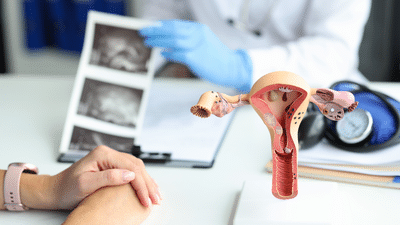
We spoke with Dr Shalu Gupta, Senior Clinical Director – Cloudnine Group of Hospitals, Gurgaon, to understand endometrial fluid during IVF, why it occurs and whether it can affect embryo transfer.
What Is Endometrial Fluid During IVF?Endometrial fluid is the liquid present within the uterus, between the uterine lining. It is generally identified during a transvaginal ultrasound, which allows the fertility specialist to assess the uterus during an IVF cycle.
The amount of fluid can vary from a very thin layer to a more visible collection. What matters most is whether the fluid is still present when the embryo is ready for transfer.

Why Can Fluid Develop in the Uterus During IVF?There can be several possible reasons for fluid to appear during fertility treatment.
These include:
“A small amount of temporary endometrial fluid does not always prevent embryo transfer. Its significance depends on the underlying cause, the amount of fluid and whether it persists until transfer day.”
What Happens If Fluid Is Seen Before Embryo Transfer?If fluid is seen before embryo transfer, your doctor may take the following steps:
How Is Endometrial Fluid Managed During IVF?Management depends on its suspected cause and whether it continues to be present.
Your fertility specialist may:
Postpone the transfer if persistent fluid may reduce the chances of implantation. Endometrial Fluid in Fresh vs Frozen Embryo Transfer: Is There a Difference?Endometrial fluid may occur during both fresh and frozen embryo transfer cycles.
Endometrial fluid is a relatively common ultrasound finding during IVF and does not always prevent pregnancy. Its significance mainly depends on why it is present and whether it remains when embryo transfer is planned. Careful ultrasound monitoring helps fertility specialists decide whether to proceed, investigate further, or delay the transfer until conditions improve.
Whether you’re trying to conceive or navigating IVF, you’re not alone. Join our supportive communities to connect, share, and find strength with others on the same journey.
FAQs on What Is Endometrial Fluid During IVF and Can It Affect Embryo Transfer?Can endometrial fluid be seen without symptoms?
Yes. Many women do not notice any symptoms when fluid is present. It may only be discovered during a routine ultrasound performed as part of an IVF cycle. Does endometrial fluid always mean there is a uterine problem?
No. Fluid can occur for different reasons, and sometimes no significant underlying problem is found. Your doctor will consider your ultrasound findings and treatment history before deciding whether further evaluation is needed. Can endometrial fluid be a sign of infection?
Sometimes, fluid may be associated with inflammation or infection, but fluid alone does not confirm an infection. Your doctor may recommend additional evaluation if other signs or risk factors are present.
While this finding can be concerning, it does not always mean there is a problem or that treatment must stop. Its significance depends on when it appears, how much is present, and whether it remains when the embryo transfer is planned.
We spoke with Dr Shalu Gupta, Senior Clinical Director – Cloudnine Group of Hospitals, Gurgaon, to understand endometrial fluid during IVF, why it occurs and whether it can affect embryo transfer.
What Is Endometrial Fluid During IVF?Endometrial fluid is the liquid present within the uterus, between the uterine lining. It is generally identified during a transvaginal ultrasound, which allows the fertility specialist to assess the uterus during an IVF cycle.
The amount of fluid can vary from a very thin layer to a more visible collection. What matters most is whether the fluid is still present when the embryo is ready for transfer.
Why Can Fluid Develop in the Uterus During IVF?There can be several possible reasons for fluid to appear during fertility treatment.
These include:
- Hormonal changes: The medicines used during IVF can influence the lining of the uterus and the amount of fluid present.
- Blocked fallopian tubes: A condition called hydrosalpinx can sometimes allow fluid from a damaged fallopian tube to enter the uterine cavity.
- Uterine inflammation or infection: In some cases, inflammation may contribute to fluid accumulation.
- Cervical or uterine factors: Changes affecting the normal movement or drainage of fluid can sometimes play a role.
- Temporary changes during treatment: Fluid may occasionally appear without a major underlying problem and later resolve.
“A small amount of temporary endometrial fluid does not always prevent embryo transfer. Its significance depends on the underlying cause, the amount of fluid and whether it persists until transfer day.”
- Dr Shalu Gupta, Senior Clinical Director – Cloudnine Group of Hospitals, Gurgaon
What Happens If Fluid Is Seen Before Embryo Transfer?If fluid is seen before embryo transfer, your doctor may take the following steps:
- Repeat the ultrasound to check if the fluid has cleared.
- Proceed with transfer if the uterus is clear.
- Delay the transfer if fluid remains.
- Freeze the embryo for a later transfer if needed.
- Check for causes such as hydrosalpinx and treat them when necessary.
Your fertility specialist may:
- Monitor the fluid with another ultrasound.
- Check for an underlying cause if the finding persists or repeatedly occurs.
- Treat an identified problem when appropriate.
- Proceed with transfer if the fluid clears and the uterine cavity looks suitable.
- In a fresh cycle, persistent fluid may affect the decision to proceed with transfer.
- With a frozen transfer, the embryo can be stored while the uterine cavity is monitored or treated.
Endometrial fluid is a relatively common ultrasound finding during IVF and does not always prevent pregnancy. Its significance mainly depends on why it is present and whether it remains when embryo transfer is planned. Careful ultrasound monitoring helps fertility specialists decide whether to proceed, investigate further, or delay the transfer until conditions improve.
Whether you’re trying to conceive or navigating IVF, you’re not alone. Join our supportive communities to connect, share, and find strength with others on the same journey.
FAQs on What Is Endometrial Fluid During IVF and Can It Affect Embryo Transfer?
Yes. Many women do not notice any symptoms when fluid is present. It may only be discovered during a routine ultrasound performed as part of an IVF cycle.
No. Fluid can occur for different reasons, and sometimes no significant underlying problem is found. Your doctor will consider your ultrasound findings and treatment history before deciding whether further evaluation is needed.
Sometimes, fluid may be associated with inflammation or infection, but fluid alone does not confirm an infection. Your doctor may recommend additional evaluation if other signs or risk factors are present.
Next Story