
What Is Funflation? Why Going Out Is Starting To Feel Too Expensive

You agree to meet friends for dinner. The plan sounds simple enough: a restaurant, a meal and a few hours of catching up. Then come the travel costs, the food bill, perhaps a drink or dessert, and the inevitable suggestion to go somewhere else afterwards. By the time you get home, what seemed like a casual evening has become a much bigger expense than expected.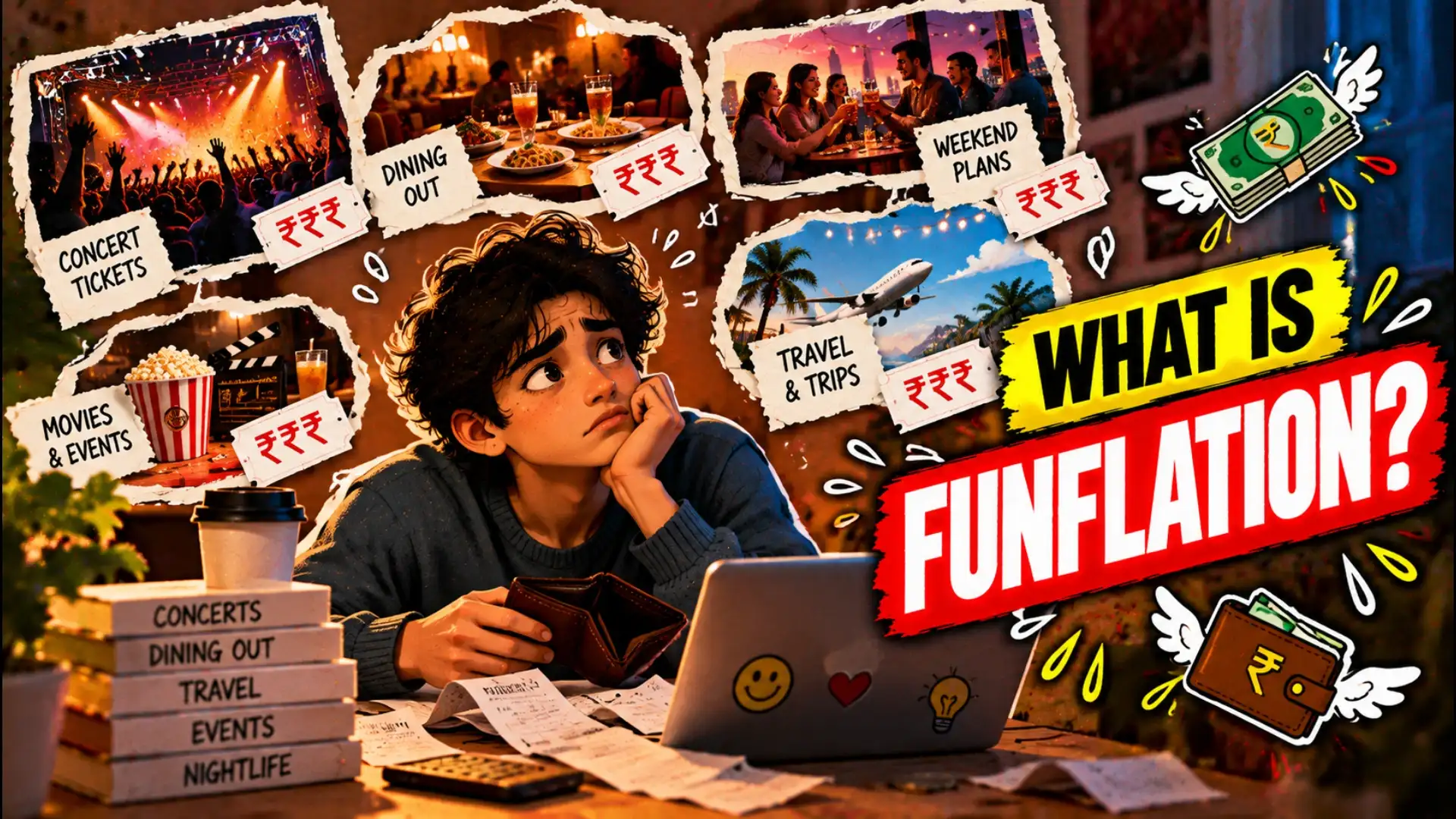
This is one way people experience funflation , a term used to describe rising costs associated with leisure, entertainment and experiences. It can cover everything from concert tickets and sporting events to holidays, restaurants and weekend activities.
Popular events can also become expensive because demand exceeds the available supply. Concert tickets, for example, may cost more depending on the artist, venue, seating category and demand. The result is that activities people once considered occasional treats can take up a larger share of their budgets.
The same applies to a night out. The meal may fit the budget, but getting there, ordering extra food and moving on to another venue can increase the final bill. When people add up the complete cost, an activity that initially seemed affordable can become harder to justify.
That might mean attending fewer concerts, choosing a less expensive restaurant or replacing a weekend away with a local day trip. It does not necessarily mean people have stopped valuing experiences. They may simply be trying to balance enjoyment with rent, savings, groceries and other financial responsibilities.
It can also make staying home feel like missing out. When entertainment is expensive, that pressure can create a frustrating choice between protecting your budget and feeling included in social plans.
It simply makes planning more important. Setting aside money for experiences, checking the full cost before committing and suggesting alternatives can help people enjoy their free time without putting unnecessary pressure on their finances.
A picnic, a home-cooked dinner with friends, a walk somewhere new or a film night can also create meaningful experiences without a large bill. The point is not to stop having fun. It is to make sure that enjoying your life today does not leave you stressed about paying for it tomorrow.
This is one way people experience funflation , a term used to describe rising costs associated with leisure, entertainment and experiences. It can cover everything from concert tickets and sporting events to holidays, restaurants and weekend activities.
What Is Driving Funflation ?
The cost of leisure activities can rise for several reasons. Businesses face expenses such as rent, wages, energy, equipment and supplies. When these costs increase, some may pass part of the additional expense on to customers.Popular events can also become expensive because demand exceeds the available supply. Concert tickets, for example, may cost more depending on the artist, venue, seating category and demand. The result is that activities people once considered occasional treats can take up a larger share of their budgets.
It Is Not Just The Ticket Price
A concert ticket is only one part of the cost of attending a live event. There may also be transport, parking, food, accommodation and merchandise. A weekend trip involves travel, meals and other expenses beyond the booking price.The same applies to a night out. The meal may fit the budget, but getting there, ordering extra food and moving on to another venue can increase the final bill. When people add up the complete cost, an activity that initially seemed affordable can become harder to justify.
Why People Are Rethinking Their Social Plans
Leisure spending is often discretionary, meaning people have some flexibility over how much they spend and how frequently they spend it. When everyday expenses take up more of a salary, entertainment can become one of the areas where people reconsider their choices.That might mean attending fewer concerts, choosing a less expensive restaurant or replacing a weekend away with a local day trip. It does not necessarily mean people have stopped valuing experiences. They may simply be trying to balance enjoyment with rent, savings, groceries and other financial responsibilities.
Social Media Can Make The Pressure Feel Bigger
Online, leisure activities can look like a constant stream of special occasions. One person posts a concert, another shares a holiday, and someone else uploads a dinner at a fashionable restaurant. Even when these are separate people's experiences, seeing them together can create the impression that everyone is always doing something exciting.It can also make staying home feel like missing out. When entertainment is expensive, that pressure can create a frustrating choice between protecting your budget and feeling included in social plans.
Having Fun Does Not Have To Mean Spending More
Funflation does not mean every enjoyable experience has become unaffordable, nor does it mean expensive activities are never worth the money.It simply makes planning more important. Setting aside money for experiences, checking the full cost before committing and suggesting alternatives can help people enjoy their free time without putting unnecessary pressure on their finances.
A picnic, a home-cooked dinner with friends, a walk somewhere new or a film night can also create meaningful experiences without a large bill. The point is not to stop having fun. It is to make sure that enjoying your life today does not leave you stressed about paying for it tomorrow.
Next Story