
What Is Garden Therapy? Benefits For Mind And Body Explained

Garden therapy, also known as horticultural therapy , is a wellness practice that uses gardening and interaction with plants to improve overall health. It is based on the idea that connecting with nature has a deeply calming and restorative effect on the human mind and body. Today, garden therapy benefits are widely recognised in mental health care, rehabilitation centres, and even urban lifestyles.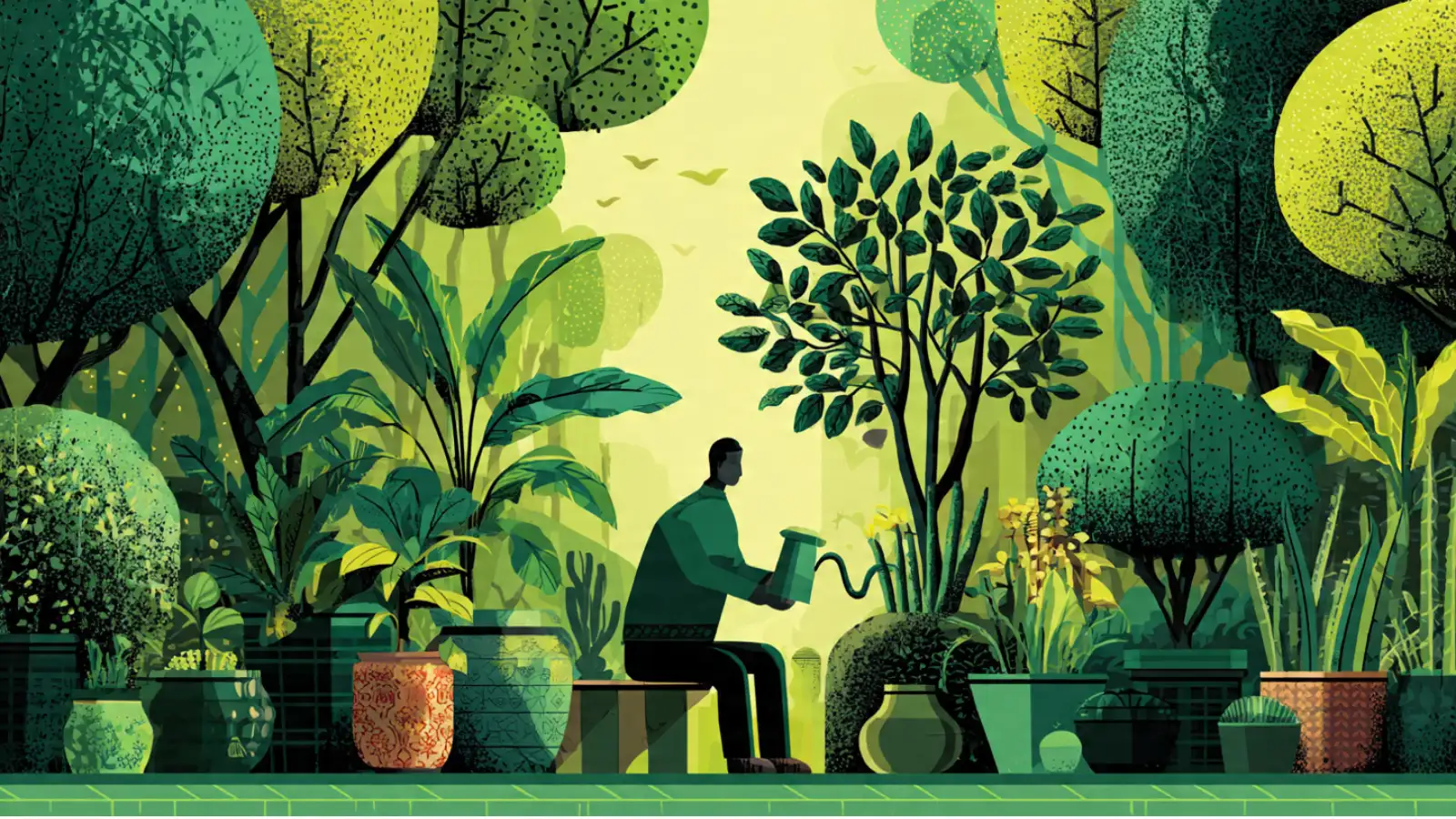
Unlike traditional therapy that focuses only on conversation or medication, garden therapy engages all the senses touching soil, smelling flowers, watching plants grow, and feeling sunlight. This makes it a powerful form of natural stress relief therapy .
Soil itself contains beneficial microbes that may help boost serotonin levels in the brain, often referred to as the “happy chemical.” This biological connection explains why gardening feels so calming and satisfying.
Read More: Zero-Rupee Gardening: Turn Your Tiny Balcony into a Green Paradise
Even people living in apartments can practice it using balcony gardens, indoor plants, or vertical green spaces.
The key is consistency and connection with nature, not perfection.
Garden therapy is more than just gardening but it is a holistic approach to healing the mind and body. By engaging in therapeutic gardening practices, individuals can experience reduced stress, improved mood, and better overall wellbeing. In a fast-paced world, even a small patch of green can become a powerful source of peace and healing.
Unlike traditional therapy that focuses only on conversation or medication, garden therapy engages all the senses touching soil, smelling flowers, watching plants grow, and feeling sunlight. This makes it a powerful form of natural stress relief therapy .
The Science Behind Garden Therapy
Research shows that spending time in green spaces can lower cortisol levels, reduce blood pressure, and improve mood. This is why horticultural therapy activities are often recommended for people dealing with anxiety, depression, or chronic stress.Soil itself contains beneficial microbes that may help boost serotonin levels in the brain, often referred to as the “happy chemical.” This biological connection explains why gardening feels so calming and satisfying.
Read More: Zero-Rupee Gardening: Turn Your Tiny Balcony into a Green Paradise
Key Benefits of Garden Therapy
1. Reduces Stress and Anxiety
One of the main garden therapy benefits is its ability to reduce stress. Simple tasks like watering plants or pruning leaves can calm the mind and improve emotional balance.2. Improves Mental Health
Engaging in therapeutic gardening activities helps people manage symptoms of depression and anxiety by promoting mindfulness and focus on the present moment.3. Enhances Physical Health
Gardening involves light physical movement such as digging, planting, and stretching. This improves flexibility, mobility, and overall physical wellbeing through gardening.4. Boosts Cognitive Function
Studies suggest that gardening can improve concentration, memory, and problem-solving skills, making it especially beneficial for older adults.5. Encourages Emotional Healing
Connecting with nature helps individuals process emotions more effectively. Many therapists use horticultural therapy techniques to support emotional recovery and resilience.Who Can Benefit from Garden Therapy?
The beauty of garden therapy for mental health is that it is suitable for almost everyone. Children, adults, and seniors can all benefit from interacting with plants. It is especially useful for individuals dealing with stress, trauma, or lifestyle burnout.Even people living in apartments can practice it using balcony gardens, indoor plants, or vertical green spaces.
How to Start Garden Therapy at Home
Starting is simple. You don’t need a large garden, just a few pots or planters are enough. Begin with easy plants like basil, mint, or money plants. Spend 15–20 minutes daily caring for them. Over time, this routine becomes a form of daily mindfulness through gardening.The key is consistency and connection with nature, not perfection.
Garden therapy is more than just gardening but it is a holistic approach to healing the mind and body. By engaging in therapeutic gardening practices, individuals can experience reduced stress, improved mood, and better overall wellbeing. In a fast-paced world, even a small patch of green can become a powerful source of peace and healing.
Next Story