
What Is Japan’s Original Name? Meaning, History and Cultural Significance

Japan is known around the world by its modern international name, but the country’s original name carries a much deeper cultural and historical meaning. The old name of Japan is Nippon, also pronounced Nihon. These native names have been used for centuries and still appear on official documents, coins, stamps and government records today.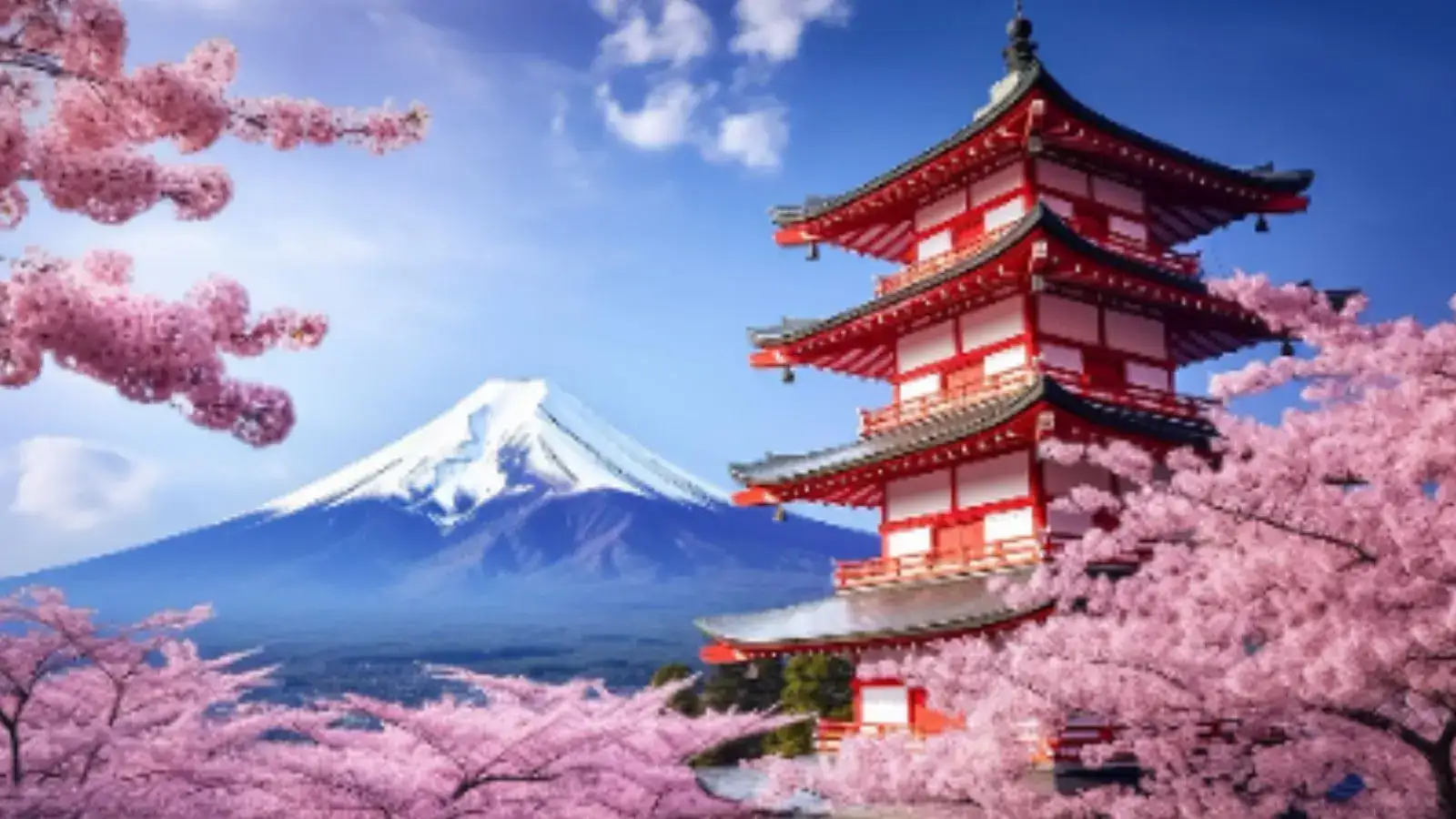
Understanding the old name of Japan offers an interesting look into the country’s history, its relationship with neighbouring civilisations and the meaning behind its famous title, “Land of the Rising Sun”.
What Is the Old Name of Japan?
The old name of Japan is Nippon or Nihon. Both names are still used in modern-day Japan and are considered the country’s true native names.
Although people across the world commonly say “Japan”, the Japanese themselves often use Nippon or Nihon when referring to their country. These names are deeply connected to the nation’s identity and history.
Nippon is generally used in formal situations, while Nihon is more common in everyday conversation. However, both words refer to the same country and come from the same written characters.
What Do Nippon and Nihon Mean?
The names Nippon and Nihon are written using two Japanese characters:
Together, the two characters mean “origin of the sun” or “where the sun rises”.
This is why Japan is often called the “Land of the Rising Sun”. The name reflects the country’s geographical position to the east of China. From China’s perspective, the sun appeared to rise from the direction of Japan.
Why Was Japan Called Nippon or Nihon?
The name Nippon or Nihon became popular when Japan began developing stronger diplomatic ties with China.
Japanese rulers wanted a name that represented their country in a more powerful and meaningful way. Since Japan lay to the east of China, they chose a name that highlighted this position.
The phrase “origin of the sun” perfectly matched Japan’s location and gave the country a unique identity. Over time, this name became official and remained an important part of Japanese culture.
What Was Japan Called Before Nippon?
Before the name Nippon or Nihon was used, Japan was known as “Wa”.
This older name appeared in early Chinese historical records. However, “Wa” was not a name chosen by the Japanese themselves. It was used by outsiders and did not carry the same sense of pride or national identity.
As Japan grew stronger and more organised, its rulers preferred the name Nippon or Nihon because it better reflected how they wanted the country to be seen.
Why Are There Two Names: Nippon and Nihon?
Many people wonder why Japan has two native names.
The answer is simple: Nippon and Nihon are two different pronunciations of the same written characters. Both are correct and widely accepted.
When Is Nippon Used?
Nippon is usually used in official and formal settings, such as:
The word is often used when expressing national pride or representing Japan on an international stage.
When Is Nihon Used?
Nihon is more common in daily speech. Japanese people often use it in casual conversation, news reports and everyday situations.
For example, when speaking about travelling within the country or discussing daily life, people are more likely to say Nihon.
How Did the Name “Japan” Originate?
Interestingly, the word “Japan” did not come directly from the Japanese language.
The name developed through foreign traders and travellers who heard versions of Nippon and Nihon in China and Southeast Asia. Over time, the pronunciation changed as it travelled through different languages.
Eventually, European explorers and merchants began using the word “Japan”, and that became the internationally recognised name.
Even though the world uses “Japan” today, the names Nippon and Nihon continue to hold greater cultural importance within the country itself.
Why the Old Name of Japan Still Matters Today
Japan’s old name is more than just a historical term. It reflects the country’s identity, geography and cultural pride.
Nippon and Nihon remind people of Japan’s long history and its image as the place where the sun rises. These names continue to appear in modern life and remain an important part of how Japanese people see their nation.
Even today, if you look closely at Japanese money, official papers or national events, you will still find the words Nippon and Nihon being proudly used.
The old name of Japan is Nippon or Nihon, both of which mean “origin of the sun”. These names were chosen to reflect Japan’s location east of China and eventually led to the famous description of the country as the “Land of the Rising Sun”.
While the rest of the world knows the country as Japan, its original names remain deeply rooted in its history, culture and national identity.
Understanding the old name of Japan offers an interesting look into the country’s history, its relationship with neighbouring civilisations and the meaning behind its famous title, “Land of the Rising Sun”.
What Is the Old Name of Japan?
The old name of Japan is Nippon or Nihon. Both names are still used in modern-day Japan and are considered the country’s true native names.
Although people across the world commonly say “Japan”, the Japanese themselves often use Nippon or Nihon when referring to their country. These names are deeply connected to the nation’s identity and history.
Nippon is generally used in formal situations, while Nihon is more common in everyday conversation. However, both words refer to the same country and come from the same written characters.
What Do Nippon and Nihon Mean?
The names Nippon and Nihon are written using two Japanese characters:
- 日 – meaning “sun”
- 本 – meaning “origin” or “source”
Together, the two characters mean “origin of the sun” or “where the sun rises”.
This is why Japan is often called the “Land of the Rising Sun”. The name reflects the country’s geographical position to the east of China. From China’s perspective, the sun appeared to rise from the direction of Japan.
Why Was Japan Called Nippon or Nihon?
The name Nippon or Nihon became popular when Japan began developing stronger diplomatic ties with China.
Japanese rulers wanted a name that represented their country in a more powerful and meaningful way. Since Japan lay to the east of China, they chose a name that highlighted this position.
The phrase “origin of the sun” perfectly matched Japan’s location and gave the country a unique identity. Over time, this name became official and remained an important part of Japanese culture.
What Was Japan Called Before Nippon?
Before the name Nippon or Nihon was used, Japan was known as “Wa”.
This older name appeared in early Chinese historical records. However, “Wa” was not a name chosen by the Japanese themselves. It was used by outsiders and did not carry the same sense of pride or national identity.
As Japan grew stronger and more organised, its rulers preferred the name Nippon or Nihon because it better reflected how they wanted the country to be seen.
Why Are There Two Names: Nippon and Nihon?
Many people wonder why Japan has two native names.
The answer is simple: Nippon and Nihon are two different pronunciations of the same written characters. Both are correct and widely accepted.
When Is Nippon Used?
Nippon is usually used in official and formal settings, such as:
- Government documents
- Currency and coins
- Postage stamps
- Sporting events
- National celebrations
The word is often used when expressing national pride or representing Japan on an international stage.
When Is Nihon Used?
Nihon is more common in daily speech. Japanese people often use it in casual conversation, news reports and everyday situations.
For example, when speaking about travelling within the country or discussing daily life, people are more likely to say Nihon.
How Did the Name “Japan” Originate?
Interestingly, the word “Japan” did not come directly from the Japanese language.
The name developed through foreign traders and travellers who heard versions of Nippon and Nihon in China and Southeast Asia. Over time, the pronunciation changed as it travelled through different languages.
Eventually, European explorers and merchants began using the word “Japan”, and that became the internationally recognised name.
Even though the world uses “Japan” today, the names Nippon and Nihon continue to hold greater cultural importance within the country itself.
Why the Old Name of Japan Still Matters Today
Japan’s old name is more than just a historical term. It reflects the country’s identity, geography and cultural pride.
Nippon and Nihon remind people of Japan’s long history and its image as the place where the sun rises. These names continue to appear in modern life and remain an important part of how Japanese people see their nation.
Even today, if you look closely at Japanese money, official papers or national events, you will still find the words Nippon and Nihon being proudly used.
The old name of Japan is Nippon or Nihon, both of which mean “origin of the sun”. These names were chosen to reflect Japan’s location east of China and eventually led to the famous description of the country as the “Land of the Rising Sun”.
While the rest of the world knows the country as Japan, its original names remain deeply rooted in its history, culture and national identity.
Next Story