
Tired of Multitasking? Why Monotasking Is Becoming a Productivity Trend

You start writing an email, check a notification, reply to a message and return to the email only to forget what you were going to say. By lunchtime, you have been busy for hours but may struggle to identify what you have actually completed. Monotasking offers a simpler approach: instead of juggling everything at once, give one task your attention before moving to the next.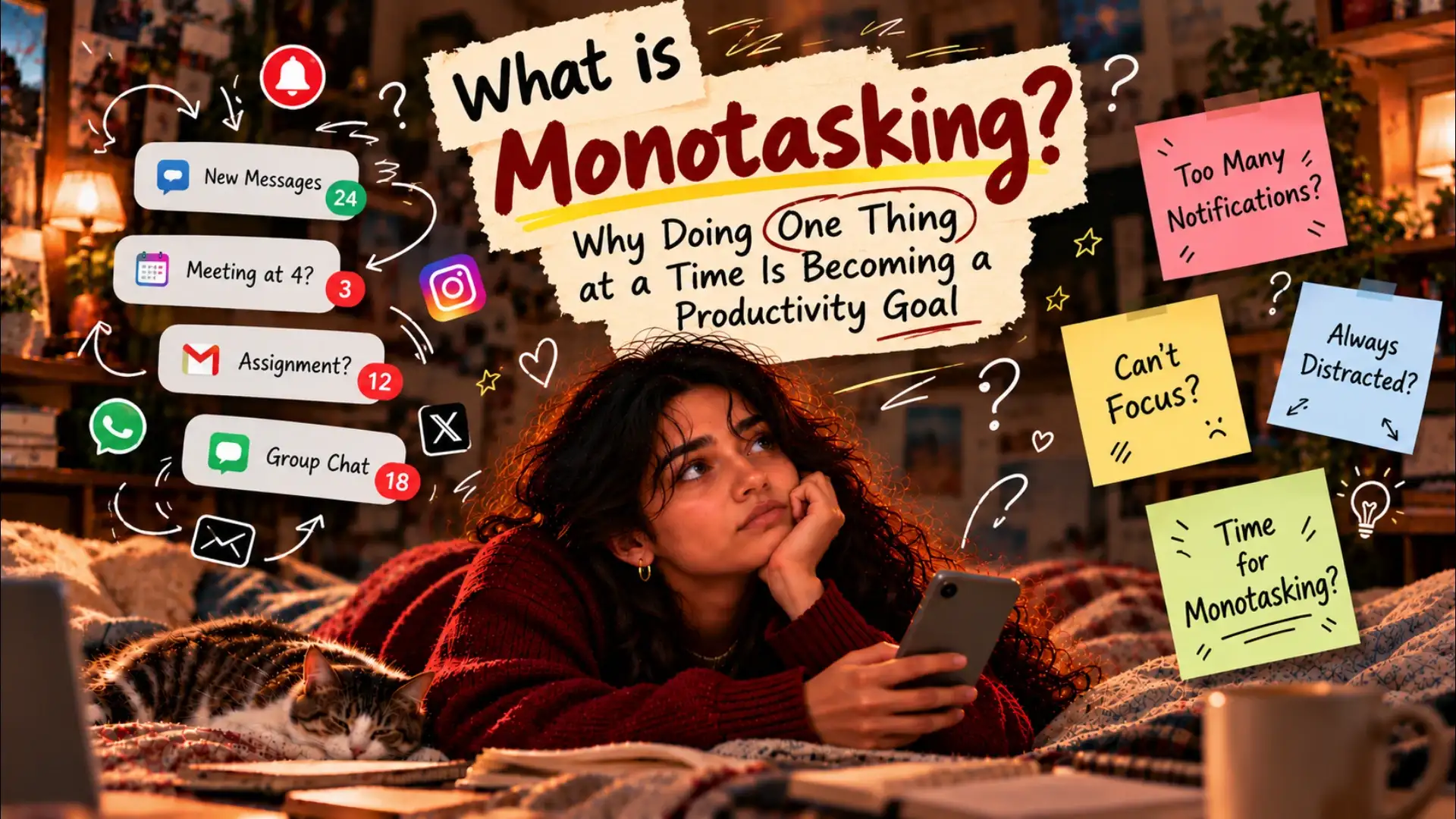
For example, instead of writing a report while answering messages and checking emails, you might finish a section of the report before opening your inbox. Similarly, eating lunch without scrolling through your phone can turn a routine break into a more focused experience.
The idea is not new, but it has gained relevance in a world where digital devices make switching between tasks almost effortless. Notifications, multiple browser tabs and constant messaging can encourage people to divide their attention throughout the day. Monotasking offers an alternative by treating attention as something that needs to be managed rather than endlessly divided.
When someone switches from writing to answering a message and then back to writing, they may need time to remember where they left off. Repeating this process can interrupt concentration and make complex work feel more demanding.
Some activities can be combined without much difficulty. Listening to familiar music while doing a routine household chore, for instance, may be manageable. The challenge arises when both tasks require sustained attention or decision-making. The problem is not that people can never handle two things at once. It is that frequent switching can make demanding work less efficient than it appears.
Turning off unnecessary notifications, closing unrelated browser tabs and keeping your phone out of reach can reduce the temptation to switch activities. Even a short period of uninterrupted work may make a difference when a task requires careful thought.
The approach can also apply outside work. Listening properly when someone is speaking, cooking without repeatedly checking messages or reading a book without scrolling through social media can make everyday activities feel less fragmented.
Monotasking is not about achieving perfect concentration. Interruptions are inevitable, and some jobs require people to respond to changing priorities. The goal is to reduce avoidable distractions where possible.
Make the task specific enough to feel manageable. Rather than deciding to work without distractions all morning, aim to finish one section of a report or clear a particular set of emails. It also helps to create realistic boundaries around communication. If your role allows it, check messages at planned intervals instead of responding to every notification immediately.
Finally, leave room for breaks. Monotasking does not mean working continuously or refusing to help colleagues. It is about choosing where your attention goes, rather than allowing every incoming alert to make that decision for you.
What is monotasking ?
Monotasking is the practice of concentrating on one activity at a time rather than attempting to manage several tasks simultaneously. It involves giving a particular activity your attention, completing a defined portion of it and then moving on to something else.For example, instead of writing a report while answering messages and checking emails, you might finish a section of the report before opening your inbox. Similarly, eating lunch without scrolling through your phone can turn a routine break into a more focused experience.
The idea is not new, but it has gained relevance in a world where digital devices make switching between tasks almost effortless. Notifications, multiple browser tabs and constant messaging can encourage people to divide their attention throughout the day. Monotasking offers an alternative by treating attention as something that needs to be managed rather than endlessly divided.
Why is multitasking not always effective?
Multitasking can create the impression of productivity because several activities appear to be moving forward at once. However, tasks that require concentration often compete for the same mental resources.When someone switches from writing to answering a message and then back to writing, they may need time to remember where they left off. Repeating this process can interrupt concentration and make complex work feel more demanding.
Some activities can be combined without much difficulty. Listening to familiar music while doing a routine household chore, for instance, may be manageable. The challenge arises when both tasks require sustained attention or decision-making. The problem is not that people can never handle two things at once. It is that frequent switching can make demanding work less efficient than it appears.
How can monotasking improve everyday routines?
Monotasking begins with deciding what deserves your attention first. Instead of looking at a long list of tasks and trying to tackle everything, choose one priority and work on it for a set period.Turning off unnecessary notifications, closing unrelated browser tabs and keeping your phone out of reach can reduce the temptation to switch activities. Even a short period of uninterrupted work may make a difference when a task requires careful thought.
The approach can also apply outside work. Listening properly when someone is speaking, cooking without repeatedly checking messages or reading a book without scrolling through social media can make everyday activities feel less fragmented.
Monotasking is not about achieving perfect concentration. Interruptions are inevitable, and some jobs require people to respond to changing priorities. The goal is to reduce avoidable distractions where possible.
How can you start practising monotasking?
Begin with one activity that regularly gets interrupted. You could dedicate 20 minutes to writing, complete a household task before checking messages or set aside a short period for reading.Make the task specific enough to feel manageable. Rather than deciding to work without distractions all morning, aim to finish one section of a report or clear a particular set of emails. It also helps to create realistic boundaries around communication. If your role allows it, check messages at planned intervals instead of responding to every notification immediately.
Finally, leave room for breaks. Monotasking does not mean working continuously or refusing to help colleagues. It is about choosing where your attention goes, rather than allowing every incoming alert to make that decision for you.
Next Story