
Neuroaesthetics Explained: The Science Behind How Design Affects Our Feelings

Think about the difference between walking into a room filled with natural light and entering a cramped space with harsh lighting and visual clutter. The physical differences may seem simple, but the experience of being in each place can feel surprisingly different. Neuroaesthetics explores how the brain responds to beauty, art and design, helping researchers investigate why our surroundings can influence the way we feel.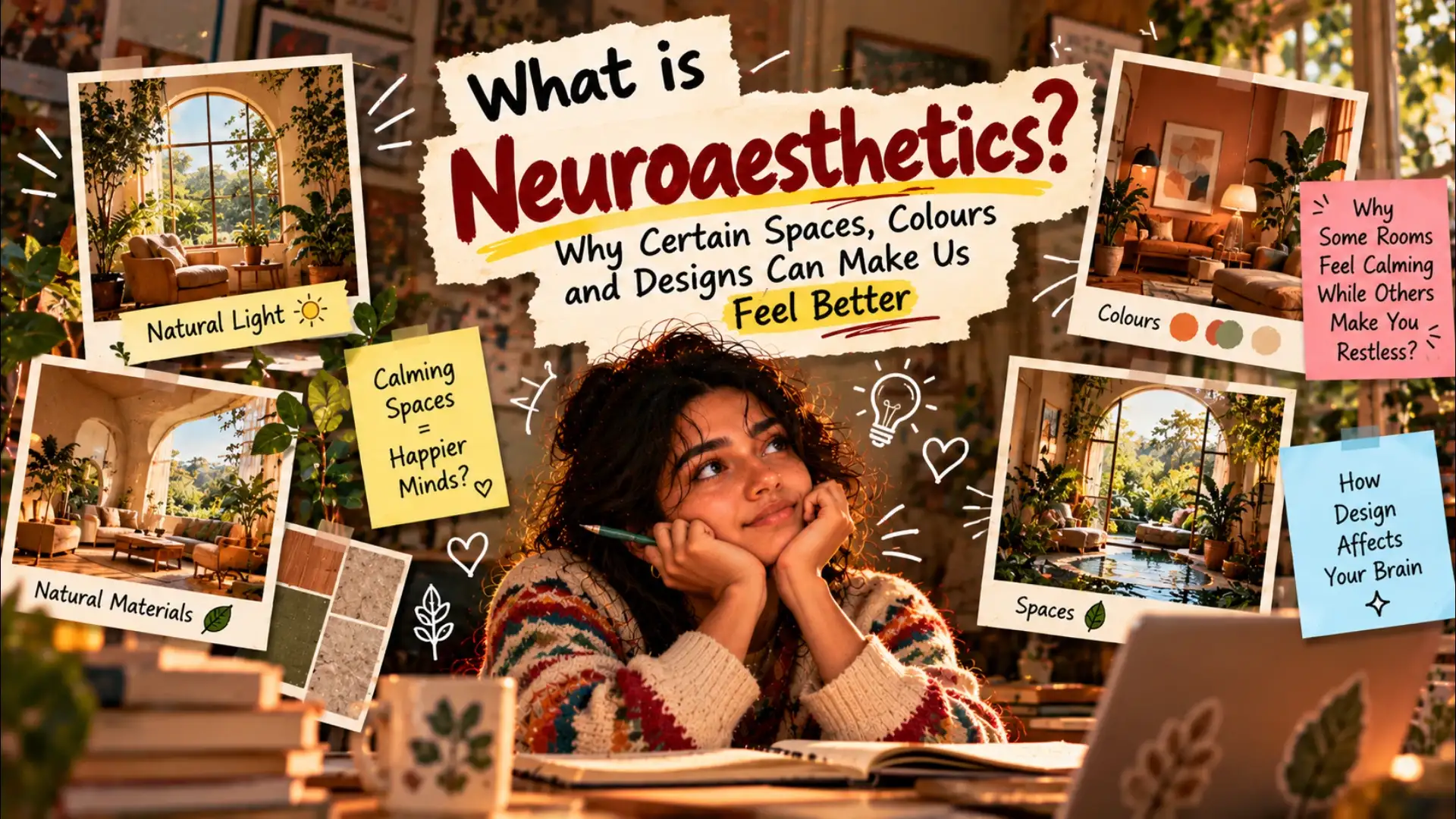
The field brings together neuroscience, psychology, art and related disciplines to explore how people perceive and respond to beauty. Researchers investigate the processes involved in attention, emotion, perception and the sense of pleasure people may experience when encountering particular forms of art or design.
Neuroaesthetics does not suggest that beauty is entirely objective or that everyone responds to the same visual features in the same way. Personal memories, cultural background, familiarity and individual preferences can all influence what people find appealing.
Its growing relevance to design comes from a simple question: if our surroundings influence our experiences, can a better understanding of perception help create spaces that people find more comfortable and engaging?
For example, a room with strong contrasts and numerous competing visual elements may feel stimulating to some people, while a more restrained arrangement may feel easier to process. Repeated patterns can create a sense of order, although overly complex patterns may feel overwhelming to certain viewers.
Colour can also influence associations. Blue may remind one person of the sea, while another may associate it with a workplace or a particular memory. Such responses are shaped by context and experience, rather than being fixed rules that apply universally.
This is why design decisions are more useful when they consider the purpose of a space and the people who will use it, instead of relying on simplistic claims that a particular colour always produces a specific emotion.
A well-organised room may feel easier to navigate because important objects are visible and movement is straightforward. A space with suitable lighting and comfortable seating may also be more pleasant to spend time in than one that ignores practical needs.
Architecture and interior design can combine visual appeal with function. A hospital waiting area, for instance, has different requirements from a restaurant or a home office. The same design feature may work well in one environment but be unsuitable in another.
Neuroaesthetics can contribute to discussions about how people respond to these environments, although aesthetic research alone cannot determine every design decision.
Art, plants, textures and objects with personal meaning can also make a space feel more individual. Their value may come from aesthetic qualities, positive memories or a sense of familiarity. However, there is no universal formula for designing a room that makes everyone feel relaxed. Some people enjoy bold colours and visual variety, while others prefer minimal surroundings. Sensory needs and accessibility also matter.
The most useful lesson is to pay attention to how a space works for the people who inhabit it. Neuroaesthetics offers a way to explore the relationship between the brain and aesthetic experience while reminding designers that the experience of beauty is both personal and shaped by context.
What is neuroaesthetics?
Neuroaesthetics is an interdisciplinary field that studies how the brain responds to aesthetic experiences. These may include looking at paintings, listening to music, appreciating architecture or noticing patterns and shapes in everyday surroundings.The field brings together neuroscience, psychology, art and related disciplines to explore how people perceive and respond to beauty. Researchers investigate the processes involved in attention, emotion, perception and the sense of pleasure people may experience when encountering particular forms of art or design.
Neuroaesthetics does not suggest that beauty is entirely objective or that everyone responds to the same visual features in the same way. Personal memories, cultural background, familiarity and individual preferences can all influence what people find appealing.
Its growing relevance to design comes from a simple question: if our surroundings influence our experiences, can a better understanding of perception help create spaces that people find more comfortable and engaging?
How do colours, shapes and patterns affect us?
Visual information is processed by the brain, which interprets features such as contrast, colour, shape, movement and spatial arrangement. These elements can influence where people direct their attention and how they experience an environment.For example, a room with strong contrasts and numerous competing visual elements may feel stimulating to some people, while a more restrained arrangement may feel easier to process. Repeated patterns can create a sense of order, although overly complex patterns may feel overwhelming to certain viewers.
Colour can also influence associations. Blue may remind one person of the sea, while another may associate it with a workplace or a particular memory. Such responses are shaped by context and experience, rather than being fixed rules that apply universally.
This is why design decisions are more useful when they consider the purpose of a space and the people who will use it, instead of relying on simplistic claims that a particular colour always produces a specific emotion.
Why can some spaces feel more comfortable than others?
Aesthetic experience involves more than decoration. The way a room is organised, the amount of natural light it receives, its proportions and the ease with which people can move through it can all affect how the space is experienced.A well-organised room may feel easier to navigate because important objects are visible and movement is straightforward. A space with suitable lighting and comfortable seating may also be more pleasant to spend time in than one that ignores practical needs.
Architecture and interior design can combine visual appeal with function. A hospital waiting area, for instance, has different requirements from a restaurant or a home office. The same design feature may work well in one environment but be unsuitable in another.
Neuroaesthetics can contribute to discussions about how people respond to these environments, although aesthetic research alone cannot determine every design decision.
How can neuroaesthetics influence everyday design?
The ideas explored through neuroaesthetics can encourage more thoughtful choices at home, at work and in public spaces. Natural light, clear layouts, balanced visual elements and comfortable proportions may help make some environments more pleasant to use.Art, plants, textures and objects with personal meaning can also make a space feel more individual. Their value may come from aesthetic qualities, positive memories or a sense of familiarity. However, there is no universal formula for designing a room that makes everyone feel relaxed. Some people enjoy bold colours and visual variety, while others prefer minimal surroundings. Sensory needs and accessibility also matter.
The most useful lesson is to pay attention to how a space works for the people who inhabit it. Neuroaesthetics offers a way to explore the relationship between the brain and aesthetic experience while reminding designers that the experience of beauty is both personal and shaped by context.
Next Story