
Why Does Bedtime Become The Time We Finally Feel Free?

You know you are tired. You know you have to wake up early. You might even have promised yourself that you would sleep on time tonight. Then midnight arrives and you are still watching videos, scrolling through Instagram or starting an episode you definitely do not need to watch. This behaviour is often called revenge bedtime procrastination . The idea is fairly simple: you delay sleep because bedtime feels like the moment your personal time ends. After spending the whole day working, studying, commuting, answering messages or dealing with responsibilities, staying awake can feel like reclaiming some time for yourself.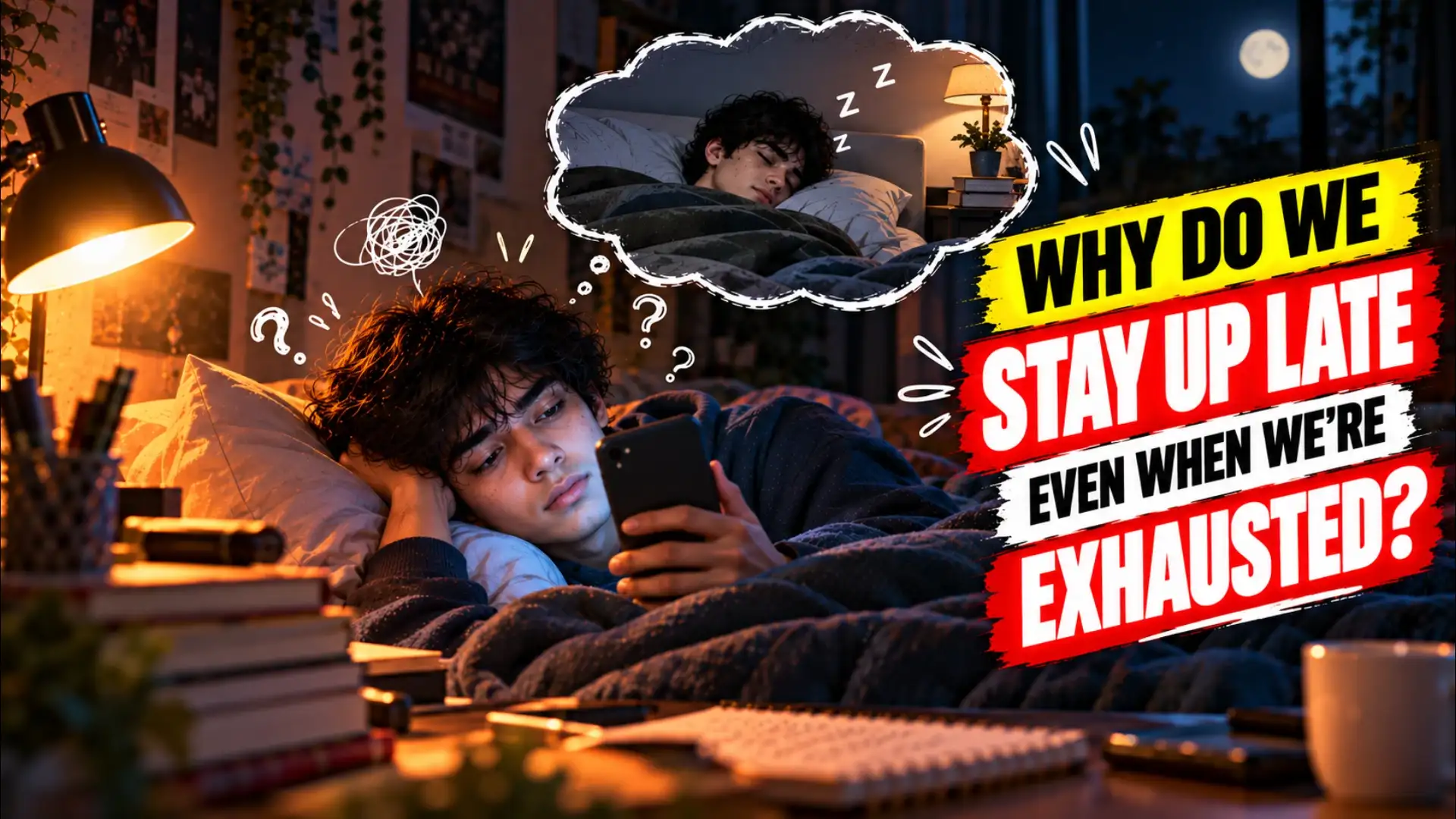
Then the evening finally arrives. For many people, those late-night hours are the first part of the day that genuinely feels like their own. Going to bed at 11 pm can therefore feel less like getting healthy sleep and more like losing the only free hours they had.
So they stay up. Not because they are not tired, but because they do not want the day to end yet.
The problem is that tiredness does not necessarily make us better at stopping. A quick scroll can become 30 minutes. One episode can become two. Eventually, the time you were trying to reclaim from the day comes directly out of tomorrow's sleep.
Then evening arrives again. Once again, the late-night hours feel like the only opportunity to relax. So you stay awake, lose more sleep and start the next day tired. The cycle can continue without you consciously deciding to create it.
That is also why simply telling someone to go to bed earlier may not solve the problem. If the rest of the day contains almost no genuine downtime, bedtime can feel like the only place where personal time exists.
Even something as simple as having dinner without work messages, taking a walk, reading for 20 minutes or watching one planned episode can give the day a sense of personal time before midnight arrives. Because sometimes you are not actually trying to avoid sleep. You are trying to avoid feeling like the entire day belonged to everyone except you.
Why Bedtime Can Feel Like Giving Something Up
During a busy day, your schedule may be controlled by other people and responsibilities. Work starts at a certain time. Meetings have deadlines. Household chores need doing. Messages need replies. There may be very little time when nobody expects anything from you.Then the evening finally arrives. For many people, those late-night hours are the first part of the day that genuinely feels like their own. Going to bed at 11 pm can therefore feel less like getting healthy sleep and more like losing the only free hours they had.
So they stay up. Not because they are not tired, but because they do not want the day to end yet.
Why The Phone Makes It Worse
Modern devices make this habit incredibly easy. There is always another video, another episode, another message or another post waiting. None of these activities require much effort, which makes them particularly tempting when you are already exhausted.You may also like
- You can open an NPS account using UPI; learn step-by-step how to open one in minutes on the BHIM app..
- 'Can't find meaningful work': Bengaluru founder explains why young Indians feel frustrated as jobs, AI disruption and rising costs reshape the economy
- 41st installment of the Ladli Behna Yojana before Durga Puja? You will receive ₹1,500 only after completing the necessary formalities..
- KKK 15 Winner Avinash Mishra's 'I Love You' to Eisha Singh Fuels Dating Rumours
- Psychology says children who tell one parent everything but hide things from the other may not always be about who they feel closer to
The problem is that tiredness does not necessarily make us better at stopping. A quick scroll can become 30 minutes. One episode can become two. Eventually, the time you were trying to reclaim from the day comes directly out of tomorrow's sleep.
It Can Become A Cycle
The frustrating part is what happens the next morning. Less sleep can leave you tired, irritable and less productive. You get through the day feeling like you need a break, but the day may still be too busy to provide one.Then evening arrives again. Once again, the late-night hours feel like the only opportunity to relax. So you stay awake, lose more sleep and start the next day tired. The cycle can continue without you consciously deciding to create it.
Is It Really About Revenge?
Despite the catchy name, there is usually no literal revenge involved. The word describes the feeling of taking back time after a day that felt dominated by obligations. It is less about wanting to punish yourself and more about not wanting every minute of your day to belong to work, responsibilities or other people.That is also why simply telling someone to go to bed earlier may not solve the problem. If the rest of the day contains almost no genuine downtime, bedtime can feel like the only place where personal time exists.
The Real Fix May Be Earlier In The Day
Sometimes the answer is not simply better discipline at night. Creating small pockets of enjoyable, screen-free or genuinely personal time earlier in the day can make bedtime feel less like the end of your only free period.Even something as simple as having dinner without work messages, taking a walk, reading for 20 minutes or watching one planned episode can give the day a sense of personal time before midnight arrives. Because sometimes you are not actually trying to avoid sleep. You are trying to avoid feeling like the entire day belonged to everyone except you.






Loving Newspoint? Download the app now
