What Is Spain Famous For? 10 Foods, Places and Experiences to Know

Spain is often reduced to a handful of familiar images: sunny beaches, football stadiums, flamenco dancers and plates of paella . All of them are part of the country's identity, but Spain becomes far more interesting when you look closer. Its regions have distinct cuisines, architecture, landscapes and traditions. Valencia is closely associated with paella, Andalusia has its own flamenco culture and Moorish heritage, while Barcelona's architecture reflects the imagination of Antoni Gaudí. Food alone can take you on a journey across the country, from Iberian ham and tapas to tortilla de patatas.
Hero Image


Paella and Valencia

Paella is probably Spain's best-known dish internationally, but its roots are specifically associated with Valencia.

Traditional versions evolved from local ingredients and the agricultural landscape around the region. The dish illustrates an important point about Spanish food: many famous recipes are deeply regional rather than simply national.


Tapas Culture

Tapas are less a single recipe than a way of eating. Small portions allow diners to try several flavours during one meal.

The tradition varies considerably from region to region, which makes tapas hopping an enjoyable way to understand local food culture.


Iberian Ham

Jamón Ibérico is one of Spain's most celebrated foods. It comes from Iberian pigs and is closely linked with particular production regions and curing traditions.

Spain's official tourism information identifies Iberian ham and olive oil among its most important culinary products.

Olive Oil

Spain is the world's largest exporter of olive oil, making the ingredient central to both Spanish cooking and agriculture.

It appears in everything from salads to fried foods and sauces, often forming the quiet foundation of a meal rather than the main attraction.


Barcelona and Gaudí

Barcelona is famous for the extraordinary architecture of Antoni Gaudí. The Sagrada Família is perhaps the best-known example, but Park Güell and Casa Batlló reveal different sides of his style.

The buildings are instantly recognisable because they challenge conventional ideas of how architecture should look.

The Alhambra in Granada

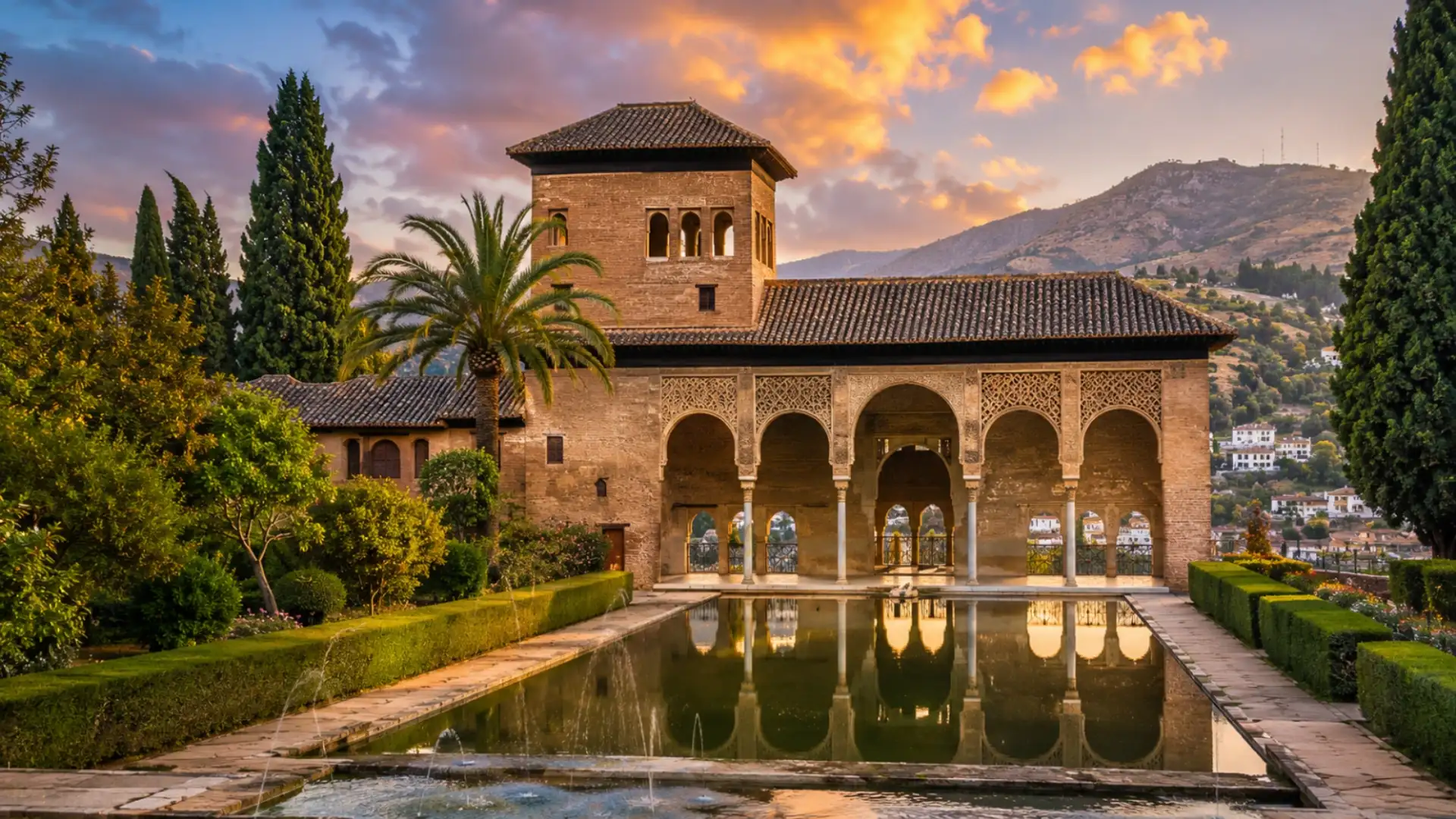
The Alhambra reflects centuries of Islamic rule in the Iberian Peninsula. Its courtyards, gardens and intricate decoration make it one of Spain's most remarkable historic sites.

Seeing it at different times of day can reveal how dramatically light changes the atmosphere of the complex.

Flamenco in Andalusia

Flamenco combines music, singing and dance and is strongly associated with Andalusia. Rather than treating it simply as a performance for tourists, look for opportunities to experience smaller, more intimate shows.


Spanish Wine

Spain has a huge wine culture, with regions producing very different styles. Rioja is perhaps the best-known name internationally, but travellers can explore wines from Galicia, Catalonia, the Canary Islands and elsewhere.

The Mediterranean Lifestyle

Spain's appeal also lies in everyday life. Long meals, public squares, late evenings and social dining create a rhythm that many visitors find refreshing.

Spain Is Much Bigger Than Its Stereotypes

Spain's official tourism platform highlights destinations ranging from Madrid and Barcelona to Valencia, Seville, Bilbao and Santiago de Compostela, alongside nature, beaches, culture and food experiences.

That variety explains why Spain continues to attract repeat visitors. You can return several times and still experience a completely different country.