
Why Repairing, Reusing and Recycling Are Important for a Circular Economy

A broken phone, a worn-out chair or a jacket that no longer fits does not always have to become waste. It might be repaired, resold, refurbished or used for parts. This idea sits at the heart of the circular economy , a model that aims to keep products and materials useful for longer instead of following the familiar pattern of buying, using and throwing things away.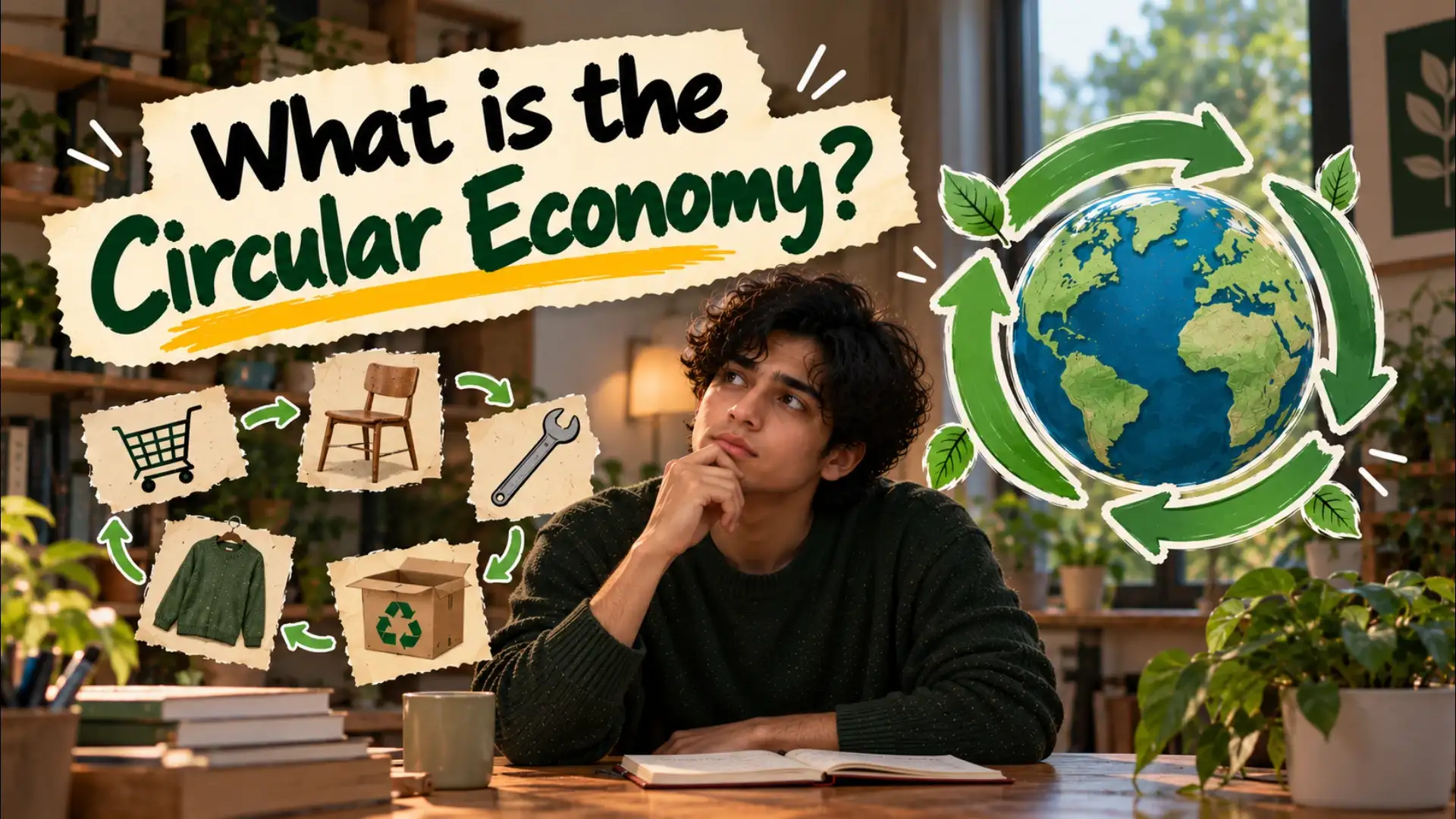
A circular economy tries to move away from that pattern. Instead of treating a product as waste once its first owner no longer needs it, the model looks for ways to extend its useful life.
For example, a laptop may be repaired rather than replaced, a piece of furniture may be refurbished and resold, or a glass bottle may be reused where suitable systems exist. Recycling can also recover materials, although keeping a product in use is often preferable when it is practical and safe to do so. The aim is to reduce unnecessary resource use and waste while making products and materials more valuable over time.
Reuse keeps products in circulation by giving them another purpose or another owner. Second-hand marketplaces, clothing swaps, rental services and refurbished electronics are examples of ways products can continue to be used after their first purchase.
Refurbishment can restore an item to working condition, while remanufacturing involves rebuilding products or components to meet defined performance requirements. Recycling serves a different role by processing waste materials into inputs for new products.
These approaches can reduce demand for virgin resources and help limit waste, although the environmental benefits depend on factors such as transport, energy use, product durability and the materials involved.
A circular economy seeks to slow and close these material flows. Products may be designed to last longer, become easier to repair or allow their components to be recovered. Businesses may also offer repair services, take-back schemes or leasing arrangements.
The difference is not simply recycling. Recycling is one part of the circular economy, but a genuinely circular approach also considers product design, maintenance, reuse and how materials can be recovered at the end of a product's useful life.
Circular systems are not automatically waste-free. They still require energy, transport and infrastructure, and some materials lose quality during recycling. The objective is to reduce waste and resource use rather than assume every product can circulate indefinitely.
Businesses can design products for longer use, make spare parts available, provide repair services and create effective collection systems for products at the end of their life. Clear information about durability, maintenance and material composition can help customers make more informed choices.
Governments and local authorities can support circular systems through waste management infrastructure, repair initiatives and policies that encourage resource efficiency . The circular economy is not about never buying anything new. It is about making better use of what already exists and designing products and systems that create less waste from the start.
Understanding the Circular Economy Model
The circular economy is an approach to production and consumption that aims to reduce waste by keeping products, components and materials in use for as long as possible. In a traditional linear economy, resources are extracted, turned into products, used and eventually discarded. This is often described as a take-make-dispose model.A circular economy tries to move away from that pattern. Instead of treating a product as waste once its first owner no longer needs it, the model looks for ways to extend its useful life.
For example, a laptop may be repaired rather than replaced, a piece of furniture may be refurbished and resold, or a glass bottle may be reused where suitable systems exist. Recycling can also recover materials, although keeping a product in use is often preferable when it is practical and safe to do so. The aim is to reduce unnecessary resource use and waste while making products and materials more valuable over time.
How Do Repairing, Reusing and Reselling Help?
Repairing allows products to remain functional without requiring an entirely new item. Replacing a battery or fixing a damaged component can extend the life of an electronic device, while repairing clothes can prevent usable garments from being discarded.Reuse keeps products in circulation by giving them another purpose or another owner. Second-hand marketplaces, clothing swaps, rental services and refurbished electronics are examples of ways products can continue to be used after their first purchase.
Refurbishment can restore an item to working condition, while remanufacturing involves rebuilding products or components to meet defined performance requirements. Recycling serves a different role by processing waste materials into inputs for new products.
These approaches can reduce demand for virgin resources and help limit waste, although the environmental benefits depend on factors such as transport, energy use, product durability and the materials involved.
What Is the Difference Between a Circular and Linear Economy?
The linear economy follows a largely one-way path: resources are extracted, products are manufactured, goods are purchased and waste is discarded. Many products in this system are designed around relatively short use cycles, after which consumers buy replacements.A circular economy seeks to slow and close these material flows. Products may be designed to last longer, become easier to repair or allow their components to be recovered. Businesses may also offer repair services, take-back schemes or leasing arrangements.
The difference is not simply recycling. Recycling is one part of the circular economy, but a genuinely circular approach also considers product design, maintenance, reuse and how materials can be recovered at the end of a product's useful life.
Circular systems are not automatically waste-free. They still require energy, transport and infrastructure, and some materials lose quality during recycling. The objective is to reduce waste and resource use rather than assume every product can circulate indefinitely.
How Can Consumers and Businesses Support a Circular Economy?
Consumers can contribute by repairing items where practical, buying durable products, choosing second-hand goods and passing on belongings that are still usable. Renting or sharing items that are needed only occasionally can also reduce the number of products that must be manufactured.Businesses can design products for longer use, make spare parts available, provide repair services and create effective collection systems for products at the end of their life. Clear information about durability, maintenance and material composition can help customers make more informed choices.
Governments and local authorities can support circular systems through waste management infrastructure, repair initiatives and policies that encourage resource efficiency . The circular economy is not about never buying anything new. It is about making better use of what already exists and designing products and systems that create less waste from the start.
Next Story