
How Your Brain Picks Out One Voice From a Room Full of Conversations

Imagine sitting in a crowded restaurant, struggling to hear the person opposite you. Conversations overlap, chairs scrape and music plays in the background. Yet the moment someone across the room says your name, you may notice it almost immediately. This everyday experience is linked to the cocktail party effect , which reveals how the brain selects relevant sounds from a noisy environment.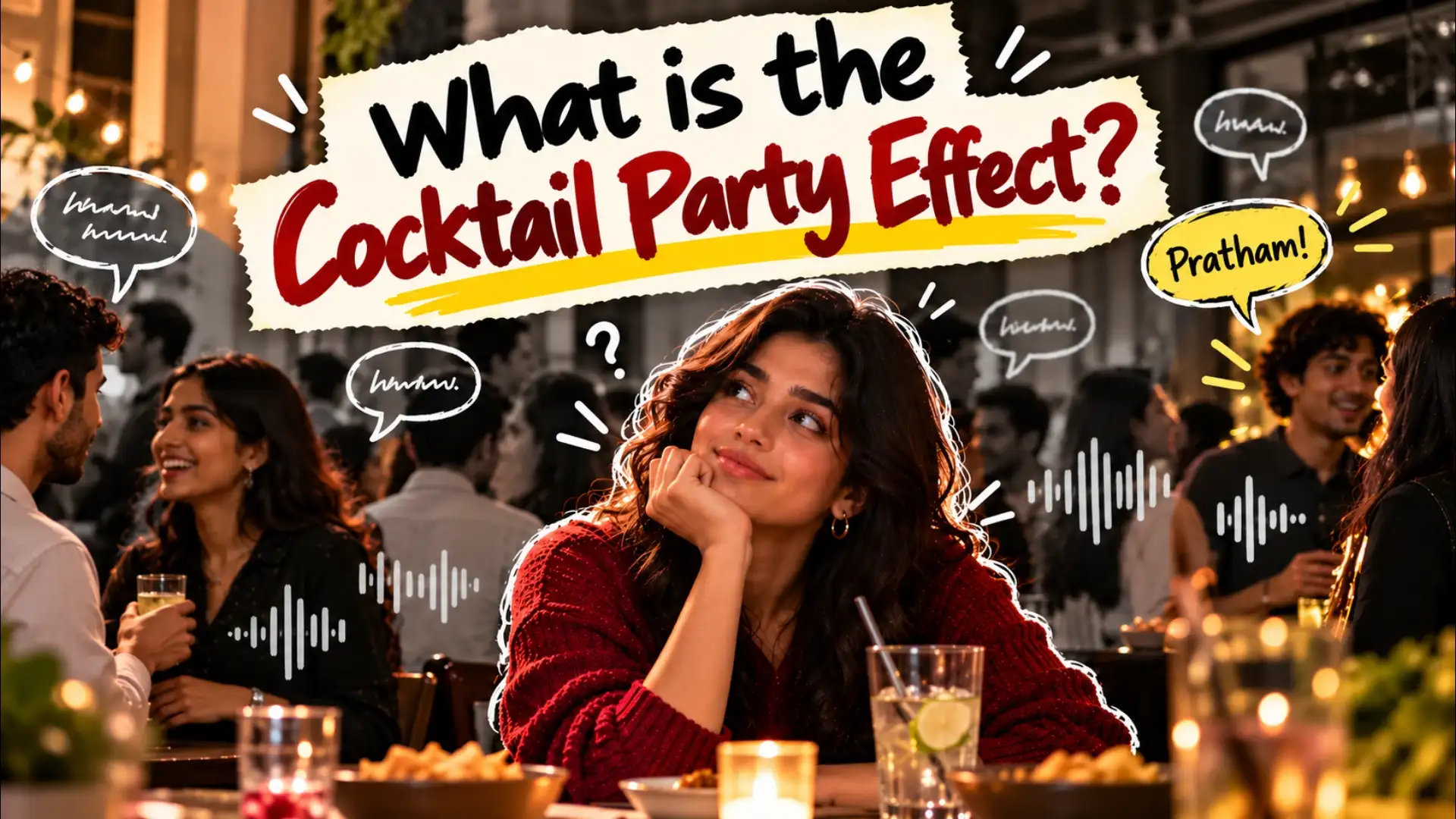
The term comes from a familiar social situation: a crowded party where several conversations happen simultaneously. Despite the noise, people can often follow the person speaking directly to them without consciously processing every nearby conversation.
The effect also helps explain why personally relevant information, such as your name, can sometimes catch your attention when it is spoken by someone you are not listening to.
However, this does not mean the brain hears every word in the room and understands all of it. Much of the surrounding conversation may remain unclear or go unnoticed. The effect describes how attention can be directed towards relevant information despite competing sounds.
Visual information can also be useful. Watching the person speaking may help you connect their words with their voice, particularly when several people are talking nearby.
Context matters, too. If you are discussing a film, you may be more likely to notice a related name or phrase than an unrelated conversation. Your expectations and knowledge help your brain work out which sounds are relevant.
These processes are not perfect. In a very noisy room, overlapping voices can make it difficult to understand speech, even when you are concentrating. Background noise, hearing ability, fatigue and the number of competing speakers can all affect how successfully you follow a conversation.
This response is often associated with the cocktail party effect because it demonstrates how attention can shift towards information that matters to you.
However, the response is not guaranteed. You might miss your name if the room is particularly loud, you are deeply focused on something else or the speaker's voice is difficult to distinguish.
The effect also does not mean that your brain has consciously understood every background conversation. Detecting a familiar or significant sound is different from processing the full meaning of a sentence.
Phones, notifications and background audio add another layer of competition. Although digital distractions are not the same as the original cocktail party effect, they also require people to shift attention between competing sources of information.
Reducing unnecessary background noise, choosing a quieter place for important conversations and facing the person speaking can make listening easier.
The effect also has limits. People with hearing difficulties may find noisy environments particularly challenging, even when they can hear speech clearly in quieter settings.
Ultimately, the cocktail party effect shows that listening is not simply a matter of receiving sound. Your brain actively prioritises information, helping you follow a conversation while the world continues talking around you.
Understanding the Cocktail Party Effect
The cocktail party effect is the ability to concentrate on one voice or conversation while other sounds compete for your attention. It is an example of selective auditory attention , the process through which the brain prioritises some sounds over others.The term comes from a familiar social situation: a crowded party where several conversations happen simultaneously. Despite the noise, people can often follow the person speaking directly to them without consciously processing every nearby conversation.
The effect also helps explain why personally relevant information, such as your name, can sometimes catch your attention when it is spoken by someone you are not listening to.
However, this does not mean the brain hears every word in the room and understands all of it. Much of the surrounding conversation may remain unclear or go unnoticed. The effect describes how attention can be directed towards relevant information despite competing sounds.
How Does Your Brain Separate Different Voices?
Your brain uses several kinds of information to distinguish one sound source from another. Differences in pitch, volume, timing, accent and the direction from which a voice comes can help separate speakers.Visual information can also be useful. Watching the person speaking may help you connect their words with their voice, particularly when several people are talking nearby.
Context matters, too. If you are discussing a film, you may be more likely to notice a related name or phrase than an unrelated conversation. Your expectations and knowledge help your brain work out which sounds are relevant.
These processes are not perfect. In a very noisy room, overlapping voices can make it difficult to understand speech, even when you are concentrating. Background noise, hearing ability, fatigue and the number of competing speakers can all affect how successfully you follow a conversation.
You may also like
- 5 Everyday Homemade Drinks to Shield Against Cold, Cough, and Sore Throats
- Ditch the Street Stalls: Whip Up This Tangy, Crispy Ragda Chaat at Home in Minutes
- Suffering from a Stiff Back After Long Desk Hours, Practice This 5-Minute Yoga Asana Daily for Instant Relief
- How a Simple Breakfast Prebiotic Fiber Can Ease Knee Osteoarthritis Pain
- Health Goldmine: Why Singhada Is a Panacea for Heart, BP, and Immunity
Why Does Hearing Your Name Grab Your Attention?
Your name is personally meaningful, which can make it especially effective at attracting attention. Even when you are focused on another conversation, hearing your name may prompt you to turn towards the speaker or try to work out what was said.This response is often associated with the cocktail party effect because it demonstrates how attention can shift towards information that matters to you.
However, the response is not guaranteed. You might miss your name if the room is particularly loud, you are deeply focused on something else or the speaker's voice is difficult to distinguish.
The effect also does not mean that your brain has consciously understood every background conversation. Detecting a familiar or significant sound is different from processing the full meaning of a sentence.
Can the Cocktail Party Effect Be Affected by Modern Life?
The cocktail party effect remains relevant in offices, classrooms, restaurants, public transport and other noisy environments. People constantly need to decide which sounds deserve attention and which can be ignored.Phones, notifications and background audio add another layer of competition. Although digital distractions are not the same as the original cocktail party effect, they also require people to shift attention between competing sources of information.
Reducing unnecessary background noise, choosing a quieter place for important conversations and facing the person speaking can make listening easier.
The effect also has limits. People with hearing difficulties may find noisy environments particularly challenging, even when they can hear speech clearly in quieter settings.
Ultimately, the cocktail party effect shows that listening is not simply a matter of receiving sound. Your brain actively prioritises information, helping you follow a conversation while the world continues talking around you.






Loving Newspoint? Download the app now
