
Why Are People Spending on Concerts, Travel and Events Instead of Things?

For some consumers, a concert ticket, a weekend getaway or a cooking class can feel more worthwhile than another item sitting on a shelf. Experiences offer something that a physical product may not: an activity to look forward to, a memory to revisit or an opportunity to connect with others. This is part of the experience economy , a concept that explains how memorable activities have become an important part of consumer spending .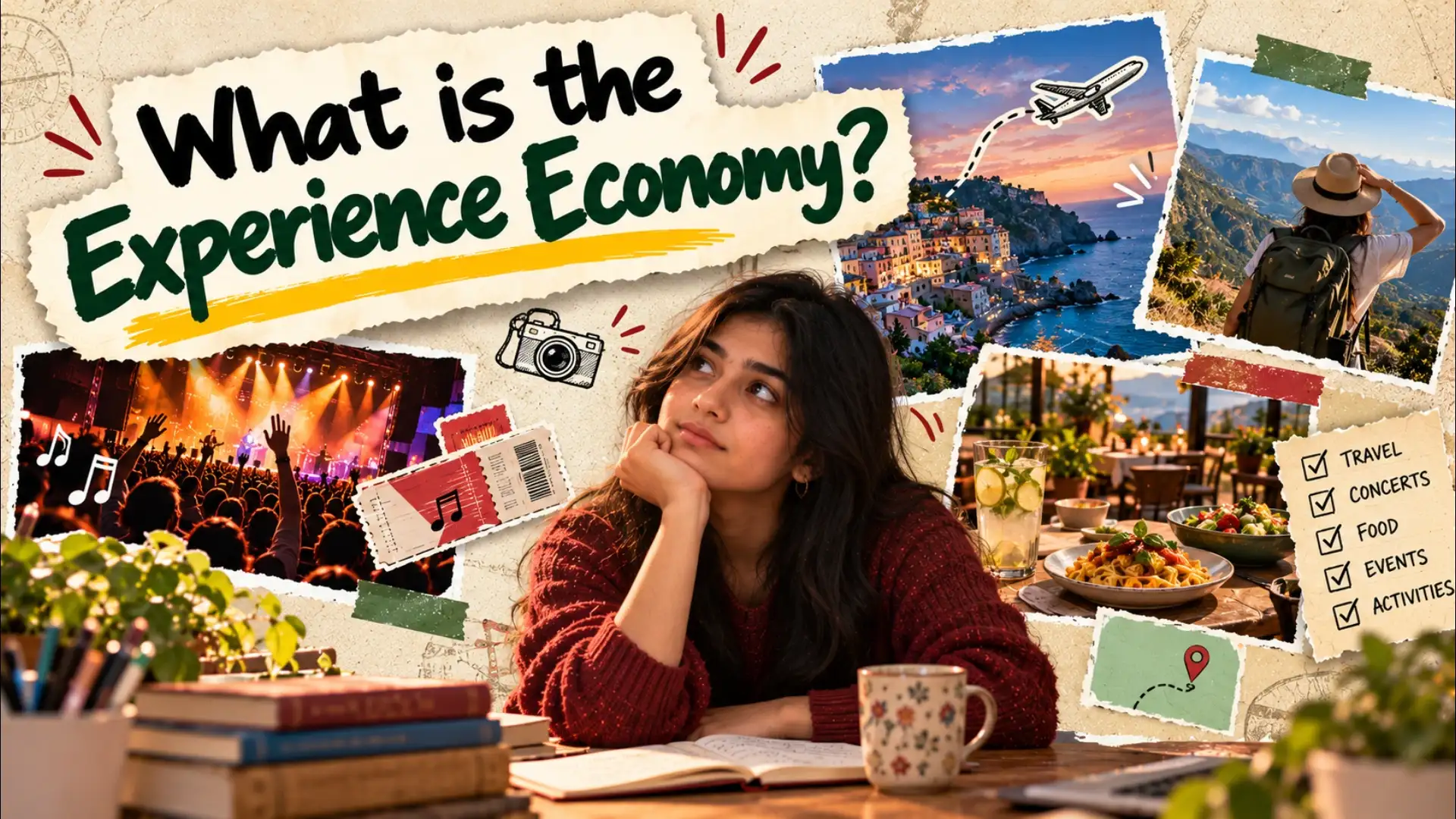
The idea was popularised by business thinkers B. Joseph Pine II and James H. Gilmore, who argued that experiences could become a distinct source of economic value. Instead of simply selling an item or completing a transaction, businesses design an experience that customers actively participate in and remember.
Travel, concerts, sporting events, theme parks, food tours, creative workshops and immersive exhibitions are examples. A restaurant, for instance, may offer more than a meal through its atmosphere, storytelling, service and presentation. Similarly, a holiday can be valued for the activities, discoveries and memories it creates, not just the destination itself.
The experience economy does not mean that physical products are becoming irrelevant. It highlights how experiences can form an additional part of what customers are willing to pay for.
Some people also value experiences because they connect with personal interests or goals. Learning pottery, attending a live performance or trying a new outdoor activity can provide enjoyment and a sense of achievement.
Experiences can become part of a person's identity, too. People may remember a memorable journey or a favourite performance long after the event has ended. Sharing photographs and stories can extend that experience socially, although social media can also create pressure to spend on activities that look impressive online. This does not mean consumers always prefer experiences to possessions. The appeal depends on personal interests, budgets, life stages and circumstances.
Restaurants and cafés can also focus on atmosphere, presentation and community as part of the overall experience. In these cases, the setting and interaction become part of what customers are paying for.
For businesses, the challenge is to provide genuine value rather than relying on novelty alone. An experience that feels poorly organised, overpriced or overly commercialised may not create the lasting impression a company intends. Accessibility, service quality and customer expectations also influence whether people consider an experience worth its cost.
Experiences can also be expensive, and not everyone has the disposable income to spend regularly on travel, events or leisure activities. For some households, saving money or buying essential goods will remain the priority.
The experience economy is better understood as a change in how businesses create value and how some consumers choose to spend their discretionary income. Rather than measuring a purchase only by what someone owns afterwards, consumers may also consider the enjoyment, learning or connection they gain from it.
Ultimately, the appeal of an experience depends on whether it is meaningful to the person paying for it. A memorable activity does not have to be extravagant; sometimes a small, well-chosen experience can be more rewarding than an expensive purchase.
Understanding the Experience Economy
The experience economy is a concept describing how businesses can create value by offering memorable experiences rather than focusing only on selling products or providing basic services.The idea was popularised by business thinkers B. Joseph Pine II and James H. Gilmore, who argued that experiences could become a distinct source of economic value. Instead of simply selling an item or completing a transaction, businesses design an experience that customers actively participate in and remember.
Travel, concerts, sporting events, theme parks, food tours, creative workshops and immersive exhibitions are examples. A restaurant, for instance, may offer more than a meal through its atmosphere, storytelling, service and presentation. Similarly, a holiday can be valued for the activities, discoveries and memories it creates, not just the destination itself.
The experience economy does not mean that physical products are becoming irrelevant. It highlights how experiences can form an additional part of what customers are willing to pay for.
Why Are People Spending on Experiences?
Experiences can offer emotional and social value that is different from owning a physical object. A concert may provide a shared moment with friends, while a trip can create opportunities to explore a new place or celebrate a milestone.Some people also value experiences because they connect with personal interests or goals. Learning pottery, attending a live performance or trying a new outdoor activity can provide enjoyment and a sense of achievement.
Experiences can become part of a person's identity, too. People may remember a memorable journey or a favourite performance long after the event has ended. Sharing photographs and stories can extend that experience socially, although social media can also create pressure to spend on activities that look impressive online. This does not mean consumers always prefer experiences to possessions. The appeal depends on personal interests, budgets, life stages and circumstances.
How Are Businesses Responding to the Experience Economy?
Businesses across several industries have developed ways to make customer experiences a more central part of their offering. Travel companies may offer personalised itineraries, local activities or themed holidays. Entertainment venues can use interactive installations, exclusive events and immersive technology to make visits feel distinctive. Retailers may organise workshops, demonstrations and in-store activities alongside product sales.Restaurants and cafés can also focus on atmosphere, presentation and community as part of the overall experience. In these cases, the setting and interaction become part of what customers are paying for.
For businesses, the challenge is to provide genuine value rather than relying on novelty alone. An experience that feels poorly organised, overpriced or overly commercialised may not create the lasting impression a company intends. Accessibility, service quality and customer expectations also influence whether people consider an experience worth its cost.
Does the Experience Economy Mean Possessions Matter Less?
Not necessarily. Physical products remain important for everyday needs, comfort, convenience and personal enjoyment. A reliable laptop, a good mattress or a useful kitchen appliance can provide value long after the purchase.Experiences can also be expensive, and not everyone has the disposable income to spend regularly on travel, events or leisure activities. For some households, saving money or buying essential goods will remain the priority.
The experience economy is better understood as a change in how businesses create value and how some consumers choose to spend their discretionary income. Rather than measuring a purchase only by what someone owns afterwards, consumers may also consider the enjoyment, learning or connection they gain from it.
Ultimately, the appeal of an experience depends on whether it is meaningful to the person paying for it. A memorable activity does not have to be extravagant; sometimes a small, well-chosen experience can be more rewarding than an expensive purchase.
Next Story