
What Is the Largest Mountain in Asia? Height, Location and Key Facts

When it comes to towering peaks and breathtaking landscapes, Asia leads the world. The largest mountain in Asia is not just a regional giant but the tallest peak on Earth. Located in the mighty Himalayas, this mountain attracts adventurers, climbers and nature lovers from across the globe due to its unmatched height and extreme conditions.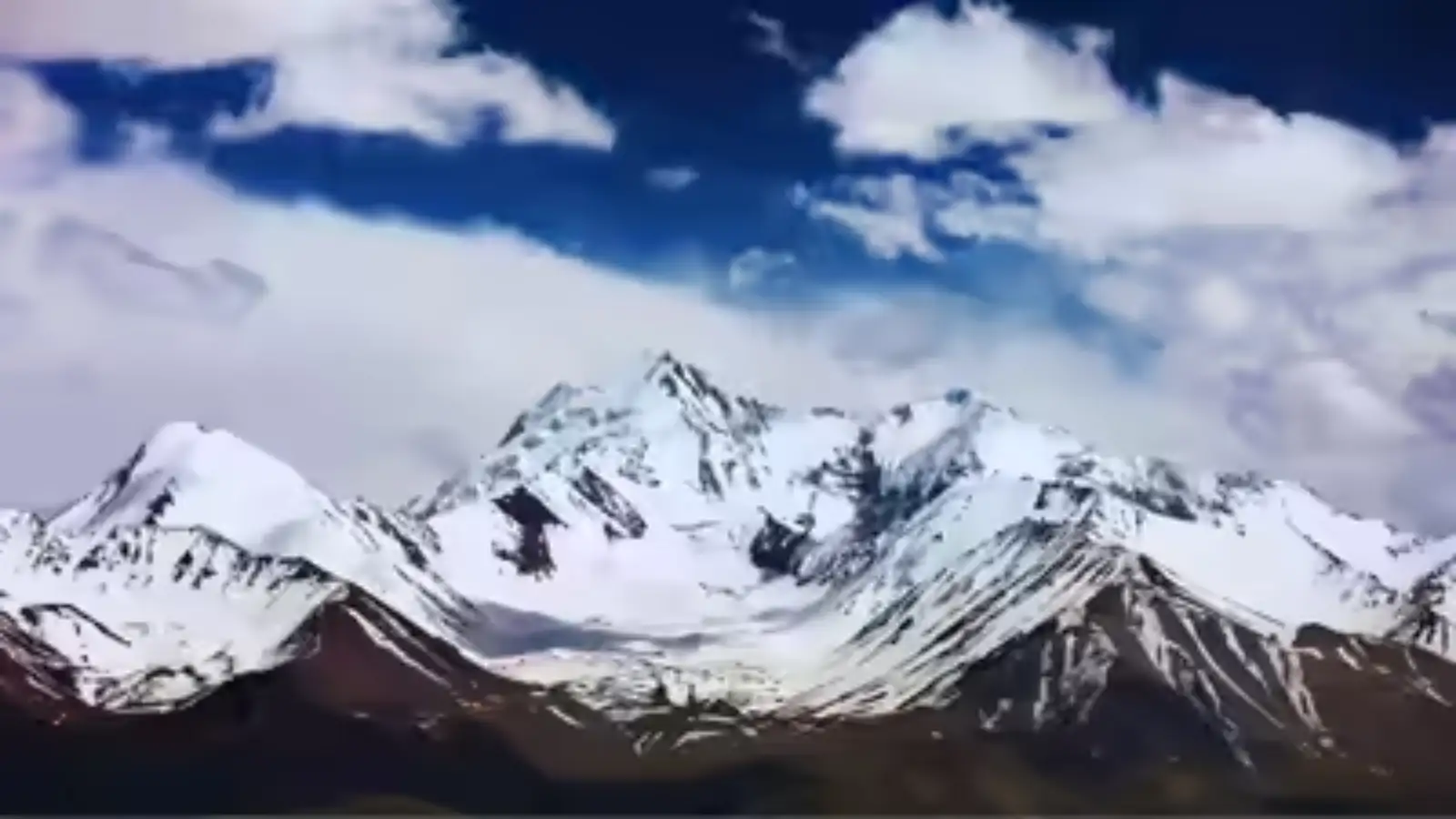
Which Is the Largest Mountain in Asia?
The largest mountain in Asia is Mount Everest, which stands at an astonishing height of 8,848.86 metres above sea level. It is part of the Himalayan mountain range and sits on the border between Nepal and China.
Mount Everest is widely recognised as the highest mountain in the world, making it a global icon for mountaineering and exploration.
Other Highest Mountains in Asia
While Mount Everest holds the top position, Asia is home to several other towering peaks that are equally remarkable:
These mountains are part of the Himalayan and Karakoram ranges and are famous for their steep slopes and harsh terrain.
Climate Conditions on Mount Everest
The weather on Mount Everest is among the harshest on Earth:
These conditions make reaching the summit both physically and mentally challenging.
Interesting Facts About the Largest Mountain in Asia
1. Tallest Peak in the World
Mount Everest is not just Asia’s highest mountain - it is the tallest mountain on Earth, towering above all other peaks.
2. Named After a British Surveyor
The mountain was named after Sir George Everest, who played a key role in mapping the Indian subcontinent.
3. Extreme Survival Conditions
The summit experiences freezing temperatures, powerful winds and low oxygen levels, making it one of the toughest environments for humans.
4. A Global Climbing Destination
Every year, thousands of climbers from around the world attempt to summit Mount Everest, making it one of the most sought-after peaks in mountaineering.
The largest mountain in Asia, Mount Everest, is a true natural wonder that symbolises human ambition and the power of nature. With its record-breaking height, extreme climate and global fame, it continues to inspire explorers and adventurers worldwide.
Which Is the Largest Mountain in Asia?
The largest mountain in Asia is Mount Everest, which stands at an astonishing height of 8,848.86 metres above sea level. It is part of the Himalayan mountain range and sits on the border between Nepal and China.
Mount Everest is widely recognised as the highest mountain in the world, making it a global icon for mountaineering and exploration.
Other Highest Mountains in Asia
While Mount Everest holds the top position, Asia is home to several other towering peaks that are equally remarkable:
- K2 – The second-highest mountain in the world, known for its extreme difficulty
- Kangchenjunga – The third-highest peak, located on the India-Nepal border
- Lhotse – The fourth-highest mountain, connected to Everest
These mountains are part of the Himalayan and Karakoram ranges and are famous for their steep slopes and harsh terrain.
Climate Conditions on Mount Everest
The weather on Mount Everest is among the harshest on Earth:
- Temperatures often fall below −30°C, even during climbing seasons
- Strong winds and sudden snowstorms are common
- Oxygen levels are extremely low at high altitudes
- Climbers require specialised gear and acclimatisation to survive
These conditions make reaching the summit both physically and mentally challenging.
Interesting Facts About the Largest Mountain in Asia
1. Tallest Peak in the World
Mount Everest is not just Asia’s highest mountain - it is the tallest mountain on Earth, towering above all other peaks.
2. Named After a British Surveyor
The mountain was named after Sir George Everest, who played a key role in mapping the Indian subcontinent.
3. Extreme Survival Conditions
The summit experiences freezing temperatures, powerful winds and low oxygen levels, making it one of the toughest environments for humans.
4. A Global Climbing Destination
Every year, thousands of climbers from around the world attempt to summit Mount Everest, making it one of the most sought-after peaks in mountaineering.
The largest mountain in Asia, Mount Everest, is a true natural wonder that symbolises human ambition and the power of nature. With its record-breaking height, extreme climate and global fame, it continues to inspire explorers and adventurers worldwide.
Next Story