
What Is the Largest Wild Cat in the World? Amazing Facts About Nature’s Biggest Predator

The Largest Wild Cat in the World is a title held by the majestic Siberian Tiger, also known as the Amur tiger. This powerful predator is admired for its enormous size, strength, and ability to survive in some of the coldest regions on Earth. Found mainly in Russia and parts of northeastern China, it represents the peak of wild cat evolution and natural hunting power.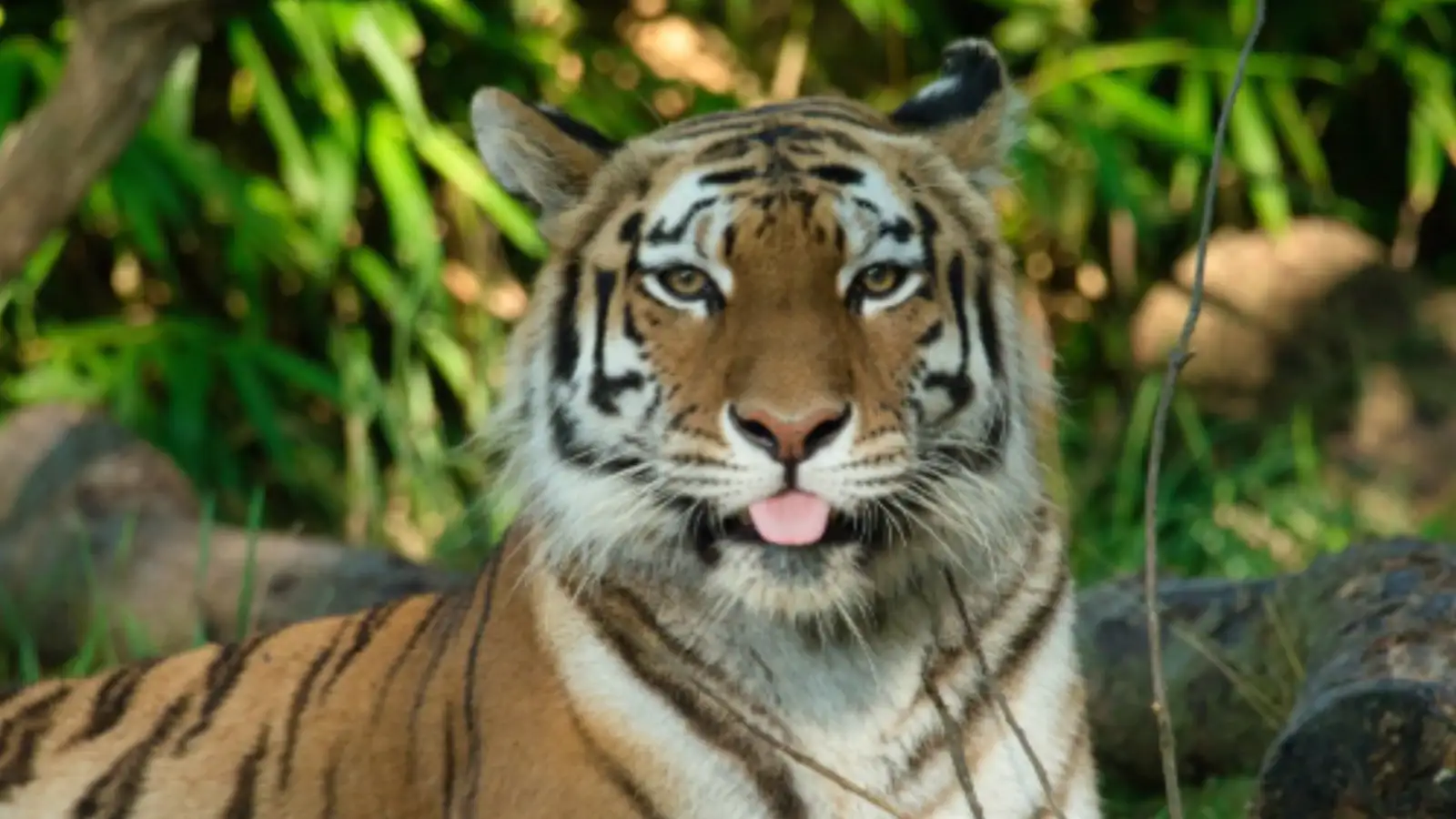
Largest Wild Cat in the World: Meet the Siberian Tiger
The Siberian Tiger is widely recognised as the biggest wild cat species alive today. It belongs to the tiger family and is specially adapted to harsh, freezing climates. Unlike other big cats, it has developed unique physical features that help it thrive in snow-covered forests and rugged terrains.
Size and Strength of the Siberian Tiger
The Siberian Tiger is a true giant of the animal kingdom. Adult males can reach up to 3.3 metres in length and weigh over 300 kilograms.
This incredible size gives them dominance in their natural habitat, with very few predators capable of challenging them.
Diet and Hunting Style
Siberian Tigers are carnivores and depend mainly on large herbivores for survival.
Once they make a kill, they can consume a large meal that lasts for several days. This feeding habit plays an important role in maintaining balance in forest ecosystems.
Natural Habitat and Distribution
The Siberian Tiger lives in cold, dense forests and mountainous regions.
Due to increasing deforestation and human activity, their natural habitat has significantly reduced, making conservation efforts extremely important.
Unique Adaptations of the Siberian Tiger
Thick Fur for Extreme Cold
One of the key survival features of this wild cat is its dense fur coat. It protects the tiger from freezing temperatures and also helps it blend into snowy surroundings while hunting.
Strong Swimming Ability
Unlike many other big cats, Siberian Tigers are excellent swimmers. They can easily cross rivers and water bodies, helping them move across large territories.
Solitary Lifestyle
These tigers prefer to live and hunt alone. Their survival depends on stealth, strength, and independence rather than group cooperation.
Conservation Status
Although the Siberian Tiger is the largest wild cat in the world, it is also considered endangered. Habitat loss, poaching, and shrinking prey populations have impacted their numbers. Conservation programs are working to protect their remaining population and restore their natural environment.
The Siberian Tiger truly earns its title as the Largest Wild Cat in the World due to its massive size, unmatched strength, and powerful hunting skills. As one of nature’s most iconic predators, protecting this magnificent species is essential to maintaining the balance of wild ecosystems.
Largest Wild Cat in the World: Meet the Siberian Tiger
The Siberian Tiger is widely recognised as the biggest wild cat species alive today. It belongs to the tiger family and is specially adapted to harsh, freezing climates. Unlike other big cats, it has developed unique physical features that help it thrive in snow-covered forests and rugged terrains.
Size and Strength of the Siberian Tiger
The Siberian Tiger is a true giant of the animal kingdom. Adult males can reach up to 3.3 metres in length and weigh over 300 kilograms.
- Males are much larger and more muscular than females
- Their powerful limbs allow them to take down large prey
- Sharp claws and strong jaws make them highly efficient hunters
This incredible size gives them dominance in their natural habitat, with very few predators capable of challenging them.
Diet and Hunting Style
Siberian Tigers are carnivores and depend mainly on large herbivores for survival.
- Common prey includes deer, wild boar, and elk
- They hunt alone using stealth and patience
- A sudden and powerful attack helps them catch prey effectively
Once they make a kill, they can consume a large meal that lasts for several days. This feeding habit plays an important role in maintaining balance in forest ecosystems.
Natural Habitat and Distribution
The Siberian Tiger lives in cold, dense forests and mountainous regions.
- Found mainly in the Russian Far East and northeastern China
- Prefers thick forests that provide cover and hunting grounds
- Travels long distances in search of food and territory
Due to increasing deforestation and human activity, their natural habitat has significantly reduced, making conservation efforts extremely important.
Unique Adaptations of the Siberian Tiger
Thick Fur for Extreme Cold
One of the key survival features of this wild cat is its dense fur coat. It protects the tiger from freezing temperatures and also helps it blend into snowy surroundings while hunting.
Strong Swimming Ability
Unlike many other big cats, Siberian Tigers are excellent swimmers. They can easily cross rivers and water bodies, helping them move across large territories.
Solitary Lifestyle
These tigers prefer to live and hunt alone. Their survival depends on stealth, strength, and independence rather than group cooperation.
Conservation Status
Although the Siberian Tiger is the largest wild cat in the world, it is also considered endangered. Habitat loss, poaching, and shrinking prey populations have impacted their numbers. Conservation programs are working to protect their remaining population and restore their natural environment.
The Siberian Tiger truly earns its title as the Largest Wild Cat in the World due to its massive size, unmatched strength, and powerful hunting skills. As one of nature’s most iconic predators, protecting this magnificent species is essential to maintaining the balance of wild ecosystems.
Next Story