
Why People Still Spend on Beauty Products When They Are Cutting Back on Expenses

When money gets tight, expensive holidays, designer handbags and big-ticket purchases may be the first things to disappear from a shopping list. Yet some consumers continue treating themselves to a lipstick, perfume or premium coffee. This behaviour is often linked to the lipstick effect , an economic concept that examines why small luxuries can remain appealing when people become more cautious about spending.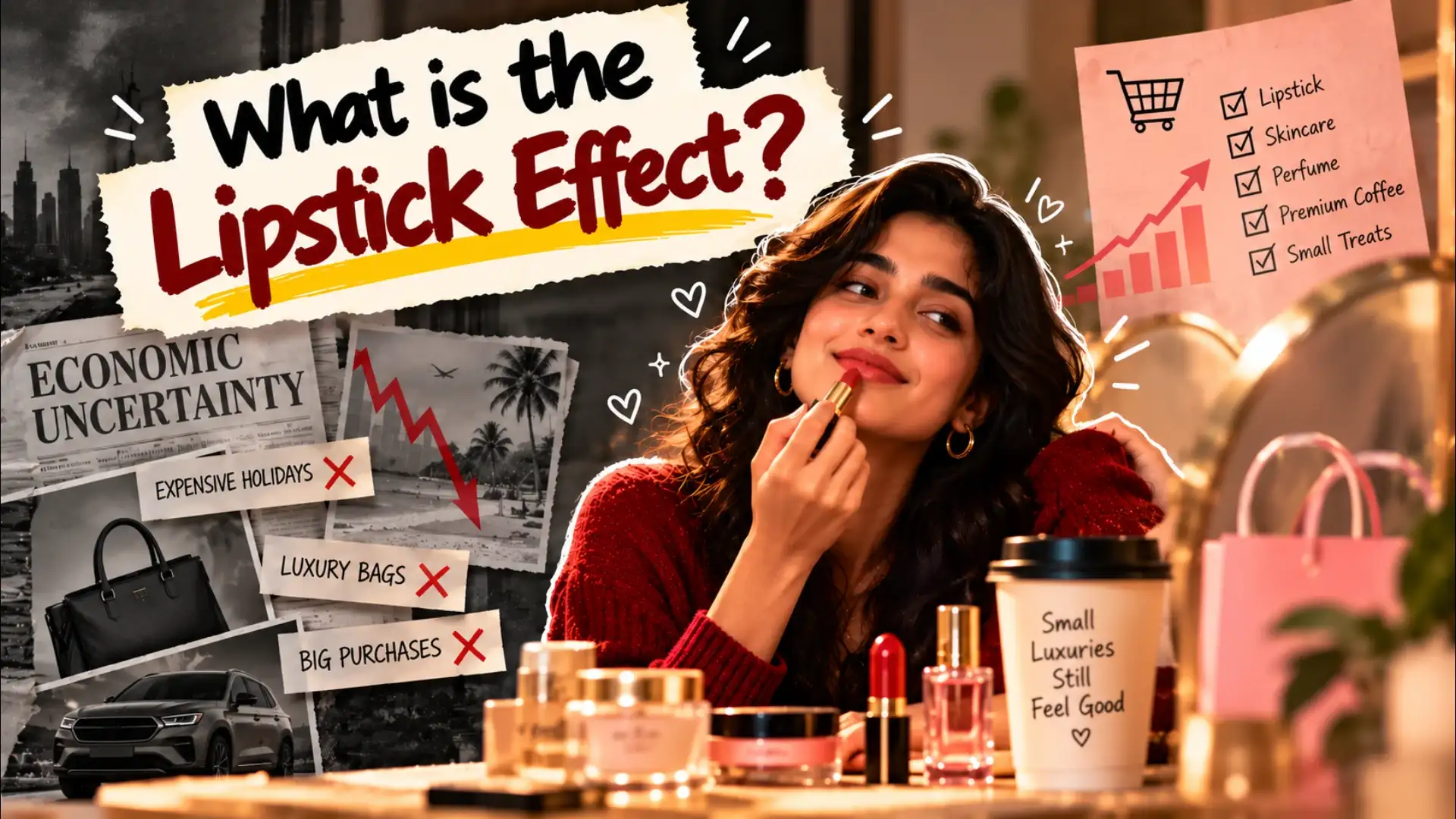
Lipstick is the product most commonly associated with the idea, but the behaviour can extend to skincare, fragrances, speciality coffee, affordable accessories and other non-essential purchases.
The thinking is straightforward. Someone who postpones buying a luxury handbag might still purchase a premium lipstick because it costs considerably less while offering a similar feeling of treating themselves.
However, the lipstick effect is a behavioural concept, not a rule that applies to every consumer or economic downturn. Spending patterns vary depending on income, prices, personal priorities and the severity of financial pressure.
Smaller indulgences can offer a middle ground between spending freely and giving up every non-essential pleasure. A modest purchase may feel manageable while providing a temporary sense of satisfaction.
There is also a psychological element. People do not make spending decisions based on price alone. Brand appeal, personal identity, habit and the emotional experience associated with a product can influence what they choose to buy.
For some consumers, a small luxury becomes a way to preserve a familiar routine during an uncertain period. Others may simply prefer spending on inexpensive treats rather than saving for a larger purchase.
Consumers facing severe financial difficulties may cut back on cosmetics, clothing and other discretionary purchases altogether. Others may switch to cheaper brands, look for discounts or reduce how often they shop.
The effect can also be influenced by changes in product prices, marketing campaigns, social media trends and the availability of affordable alternatives. A rise in sales does not automatically prove that consumers are responding to economic anxiety.
Understanding the lipstick effect therefore requires looking at actual spending data alongside the circumstances in which purchases are made.
For businesses, the concept can help explain why certain affordable premium products remain attractive when shoppers become more selective. For consumers, it offers a reminder that small purchases can add up even when each individual expense appears harmless.
A lipstick, coffee or skincare product may provide a welcome treat, but the decision still depends on personal circumstances. The broader lesson is that economic pressure does not affect every spending category equally, and consumer choices are shaped by more than price alone.
Understanding the Lipstick Effect in Consumer Behaviour
The lipstick effect describes the tendency of some consumers to continue buying small, relatively affordable luxury products during periods of financial uncertainty. Instead of spending on expensive items, they may choose little indulgences that offer a sense of enjoyment without requiring a major financial commitment.Lipstick is the product most commonly associated with the idea, but the behaviour can extend to skincare, fragrances, speciality coffee, affordable accessories and other non-essential purchases.
The thinking is straightforward. Someone who postpones buying a luxury handbag might still purchase a premium lipstick because it costs considerably less while offering a similar feeling of treating themselves.
However, the lipstick effect is a behavioural concept, not a rule that applies to every consumer or economic downturn. Spending patterns vary depending on income, prices, personal priorities and the severity of financial pressure.
Why Do Small Luxuries Become More Appealing?
Economic uncertainty can change how people approach discretionary spending. When consumers worry about job security, rising living costs or their financial future, they may become less willing to commit to expensive purchases.Smaller indulgences can offer a middle ground between spending freely and giving up every non-essential pleasure. A modest purchase may feel manageable while providing a temporary sense of satisfaction.
There is also a psychological element. People do not make spending decisions based on price alone. Brand appeal, personal identity, habit and the emotional experience associated with a product can influence what they choose to buy.
For some consumers, a small luxury becomes a way to preserve a familiar routine during an uncertain period. Others may simply prefer spending on inexpensive treats rather than saving for a larger purchase.
You may also like
- Where can senior citizens get the highest interest on FDs? Understand the calculation..
- How did 22K gold turn into 20-karat gold? Renowned jewellery company accused of fraud..
- Government's major decision on sugar ahead of Diwali; traders to get relief until December 31..
- Railways Update: Railways' mega plan for Diwali-Chhath: Additional trains and monitoring via FRS..
- Loan Tips: Unable to get a loan despite a good income? An expert explains why..
Does the Lipstick Effect Always Appear During a Crisis?
Not necessarily. The concept is widely discussed in consumer economics, but the relationship between economic downturns and beauty spending is not consistent enough to treat it as a universal pattern.Consumers facing severe financial difficulties may cut back on cosmetics, clothing and other discretionary purchases altogether. Others may switch to cheaper brands, look for discounts or reduce how often they shop.
The effect can also be influenced by changes in product prices, marketing campaigns, social media trends and the availability of affordable alternatives. A rise in sales does not automatically prove that consumers are responding to economic anxiety.
Understanding the lipstick effect therefore requires looking at actual spending data alongside the circumstances in which purchases are made.
What Does the Lipstick Effect Reveal About Spending Habits?
The lipstick effect highlights how consumer behaviour combines financial calculations with emotional preferences. People may reduce spending in one category while protecting a smaller expense that provides enjoyment or personal satisfaction.For businesses, the concept can help explain why certain affordable premium products remain attractive when shoppers become more selective. For consumers, it offers a reminder that small purchases can add up even when each individual expense appears harmless.
A lipstick, coffee or skincare product may provide a welcome treat, but the decision still depends on personal circumstances. The broader lesson is that economic pressure does not affect every spending category equally, and consumer choices are shaped by more than price alone.






Loving Newspoint? Download the app now
